KIGALI – For farmers who lose produce before it reaches the market and hospitals that depend on reliable refrigeration to preserve vaccines and medicines, access to cooling can make the difference between wasted resources and essential services reaching the people who need them.
But the gases used in refrigerators and air conditioners can contribute significantly to global warming, creating an environmental challenge that African countries must address without making cooling less accessible.
Against this backdrop, African refrigeration and air-conditioning leaders are calling for greater investment in affordable equipment, cold-chain infrastructure and technical training.
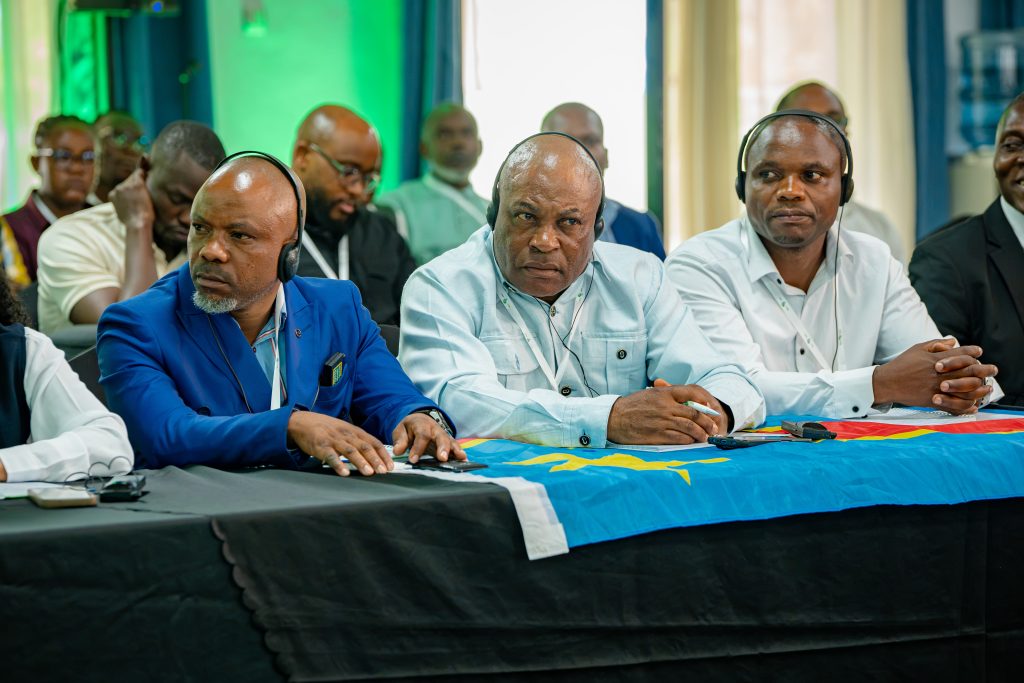
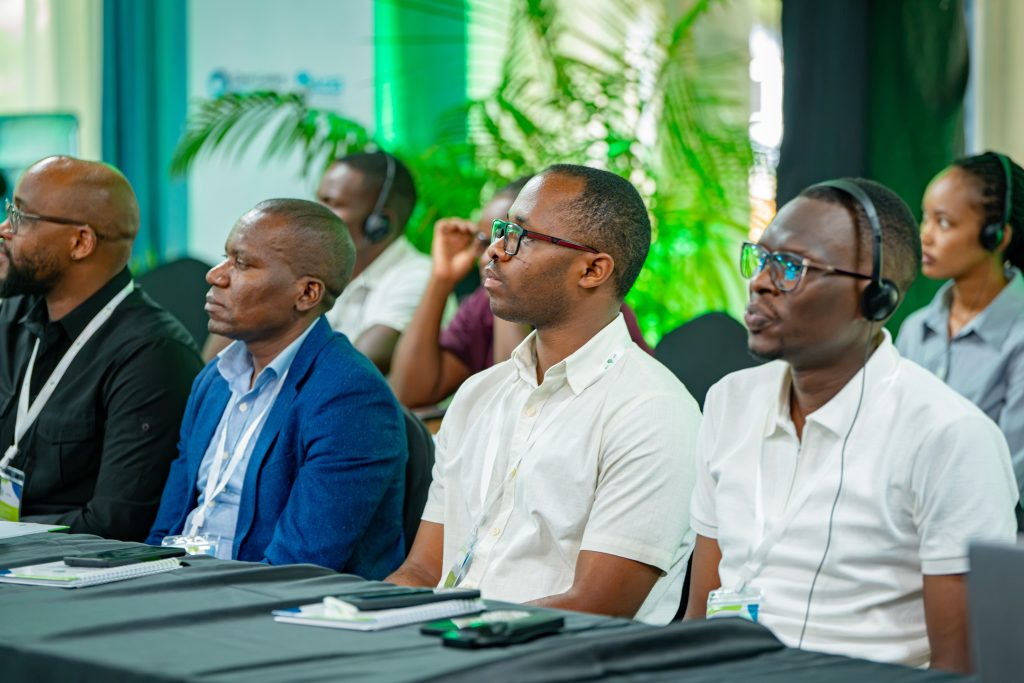
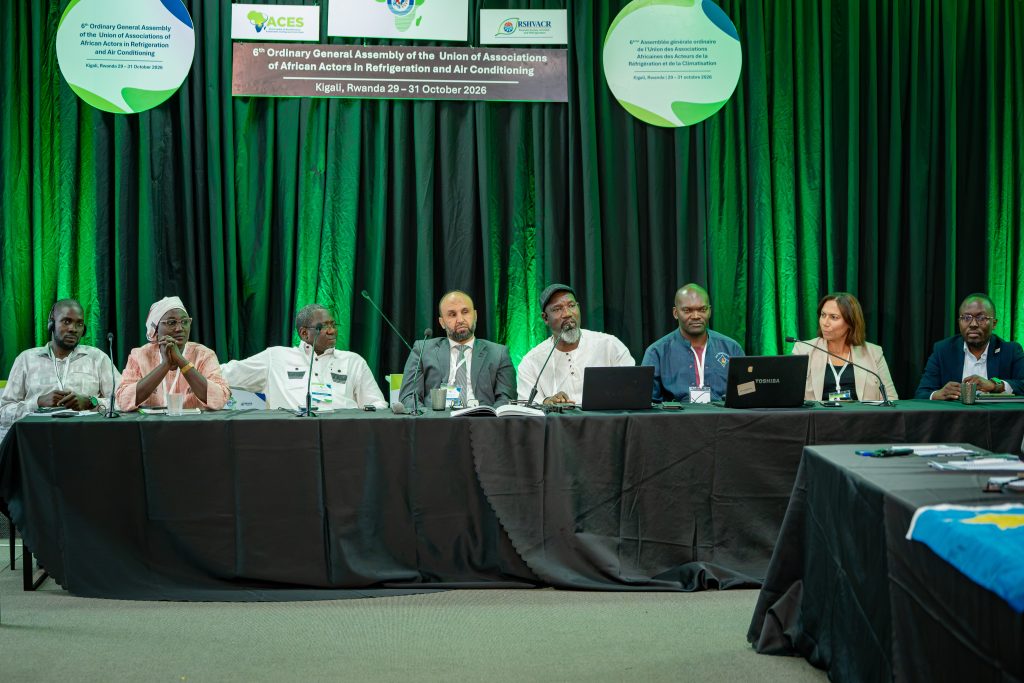
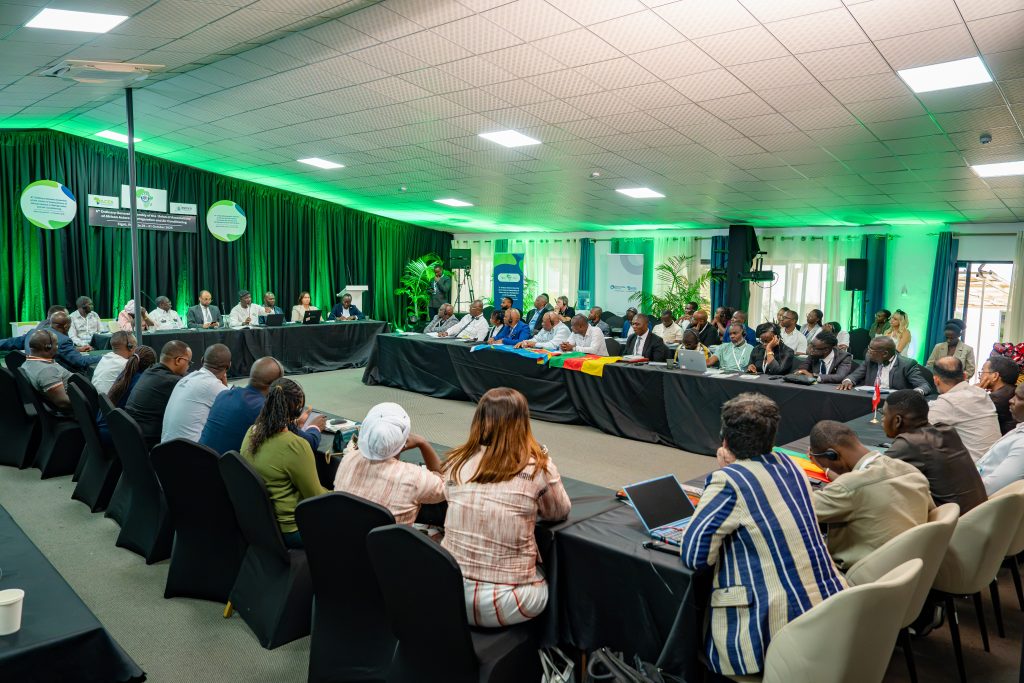
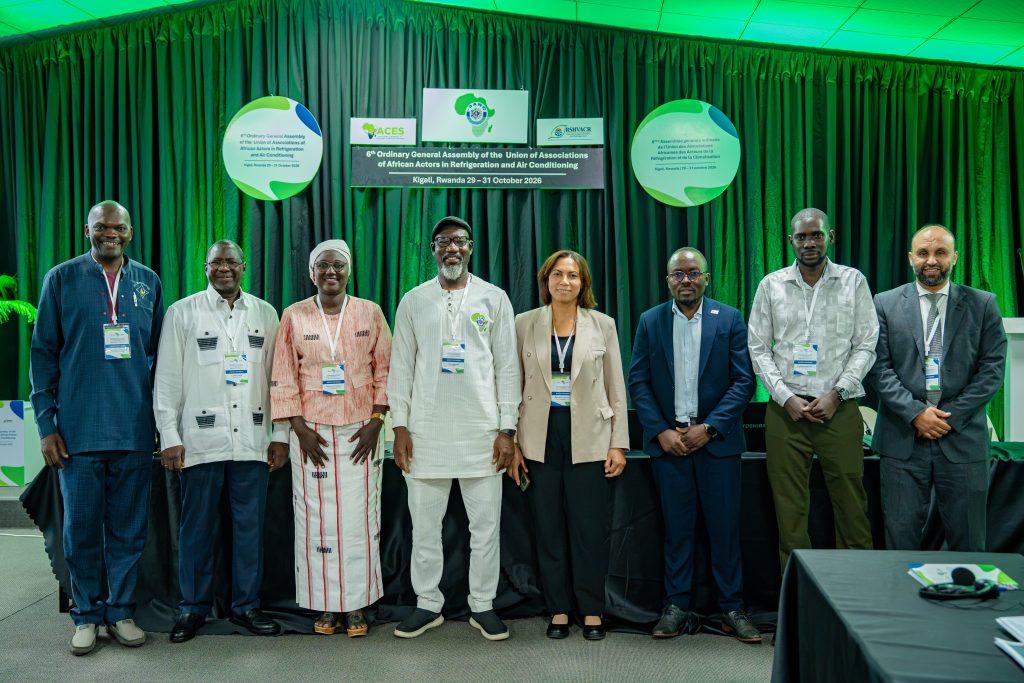
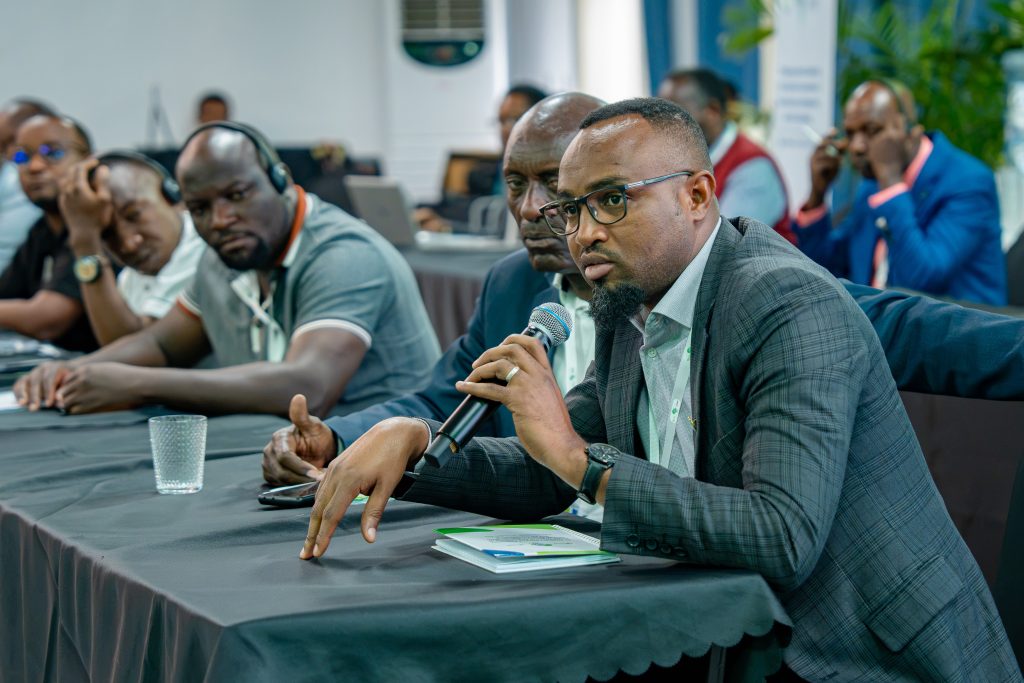
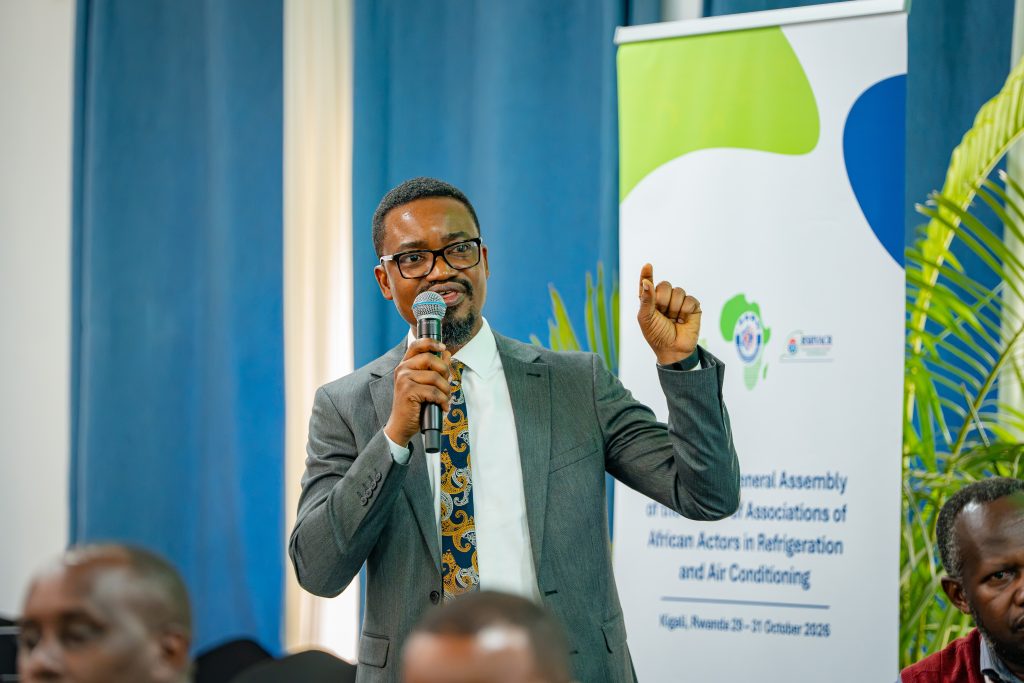
The concern was raised as the Union of Associations of African Actors in Refrigeration and Air Conditioning (U3ARC) held its 6th Ordinary General Assembly ahead of the 38th Meeting of the Parties to the Montreal Protocol (MOP38) scheduled from November 2 to 6, in Kigali.
The meeting will bring countries together to discuss efforts to phase down hydrofluorocarbons (HFCs), powerful greenhouse gases commonly used in refrigeration and air conditioning.
Ten years ago, Rwanda hosted the adoption of the Kigali Amendment to the Montreal Protocol, an international agreement establishing a framework for gradually reducing HFC production and consumption to limit their contribution to climate change.
Although HFCs do not deplete the ozone layer, their high global warming potential makes reducing their use an important part of international climate action.
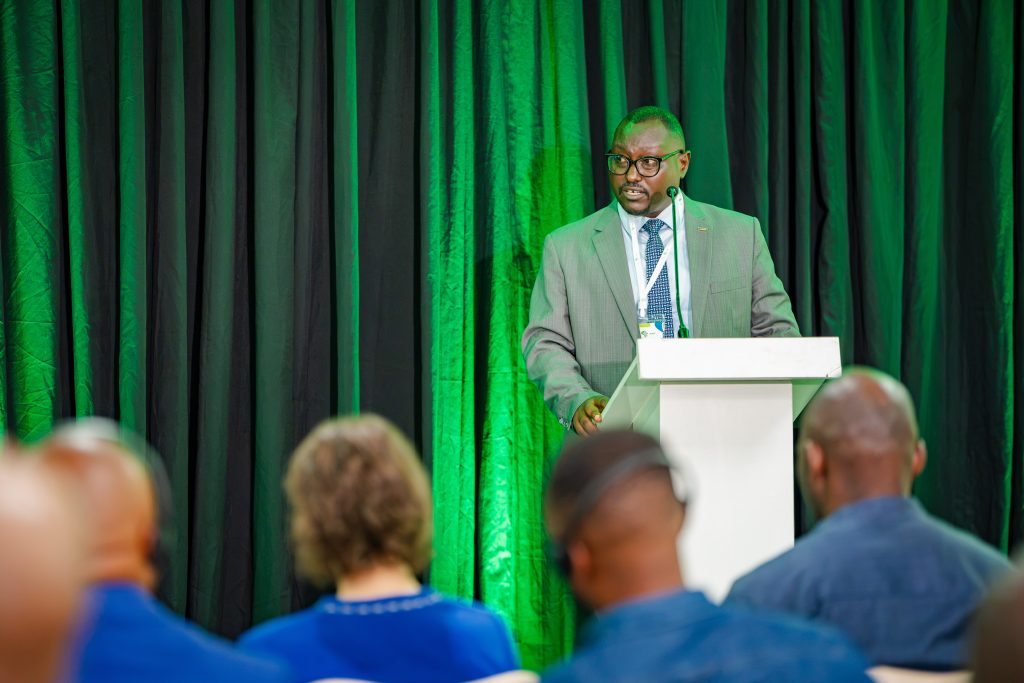
Madi Sakandé, president of the U3ARC, said investment in refrigeration could help African countries reduce food losses while strengthening local food production and market access.
Citing figures attributed to the Food and Agriculture Organization (FAO), Sakandé said post-harvest losses in Africa range from 40% to 70%, highlighting the consequences of inadequate storage and cold-chain infrastructure.
“When we are importing food from other countries, the industries producing it generate emissions, while we waste our own food,” he said.
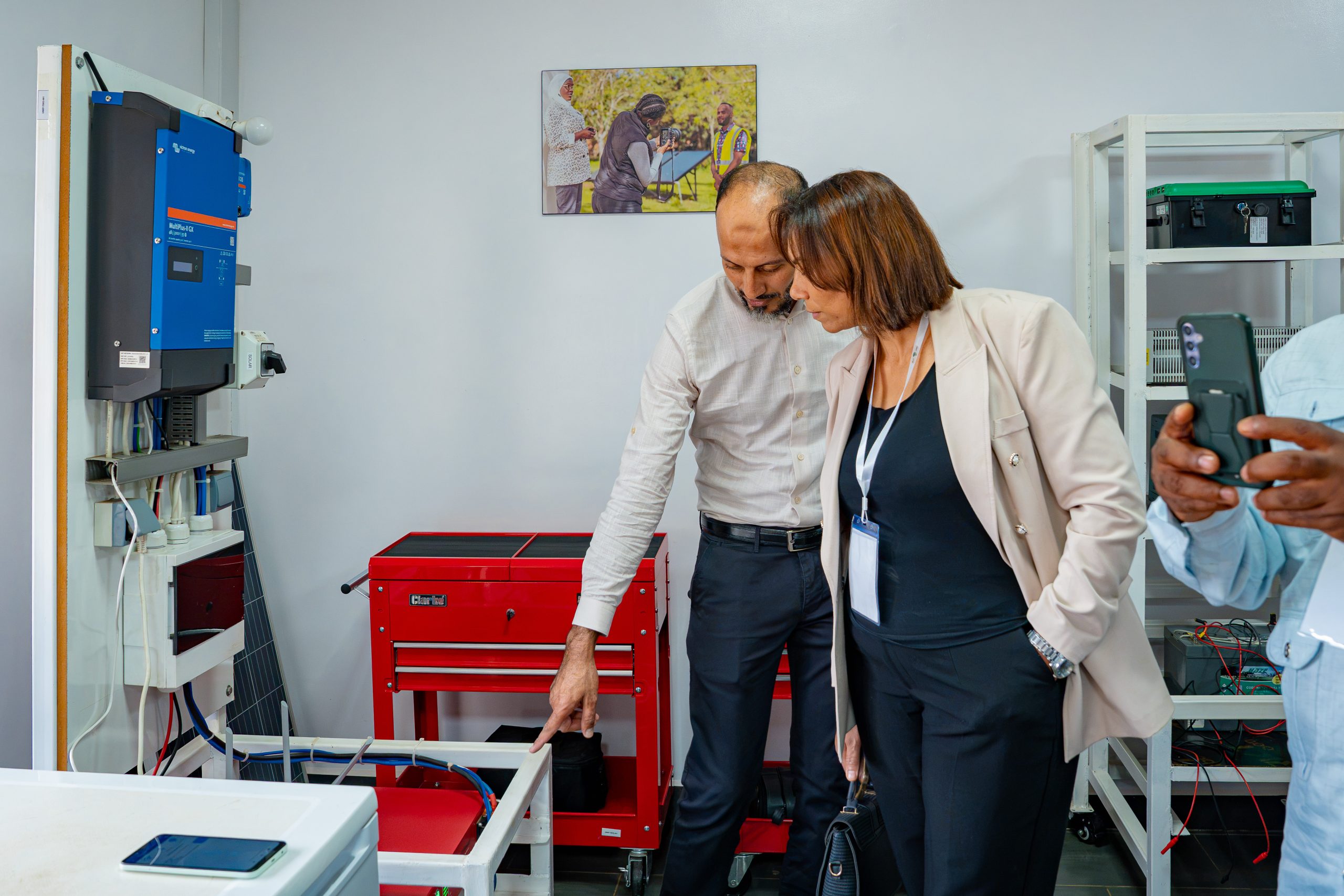
He urged governments to expand cold-storage facilities near farming communities, promote solar-powered cooling where electricity supplies are unreliable and strengthen technical education.
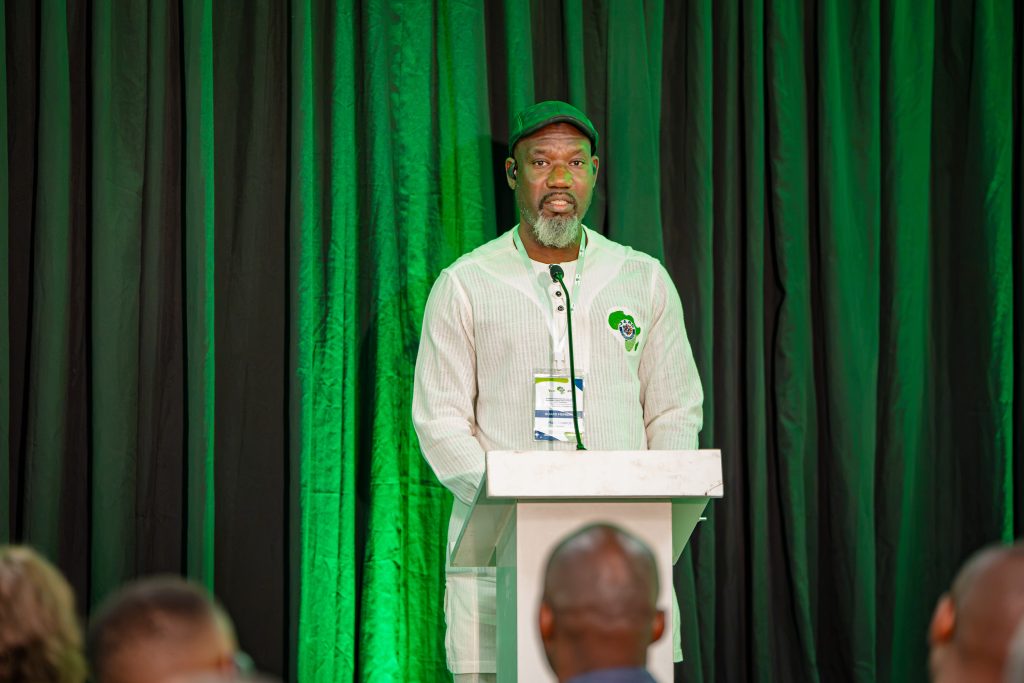
Sakandé also raised concerns about the cost of refrigeration equipment and tools, saying high import taxes in some African countries can prevent technicians from establishing businesses and extending services to underserved communities.
The challenge extends beyond agriculture. Reliable cooling supports hospitals, vaccine and medicine storage, telecommunications and industrial operations.
Yet transitioning to more climate-friendly systems requires appropriate equipment, safety standards and professionals trained to handle alternative refrigerants.
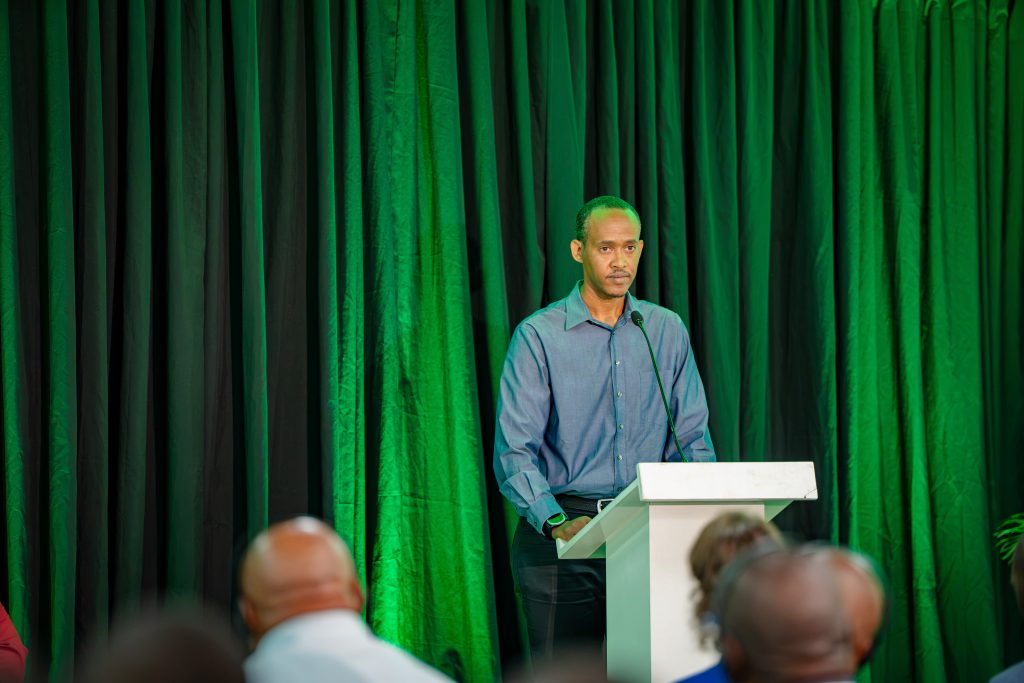
Anita Gikundiro, Director of operations at the Africa Centre of Excellence for Sustainable Cooling and Cold-Chain (ACES), said the success of international climate commitments depended on those working directly with cooling technologies.
Gikundiro highlighted the importance of technicians who recover refrigerants instead of releasing them into the atmosphere and those who train new professionals to handle alternatives safely.
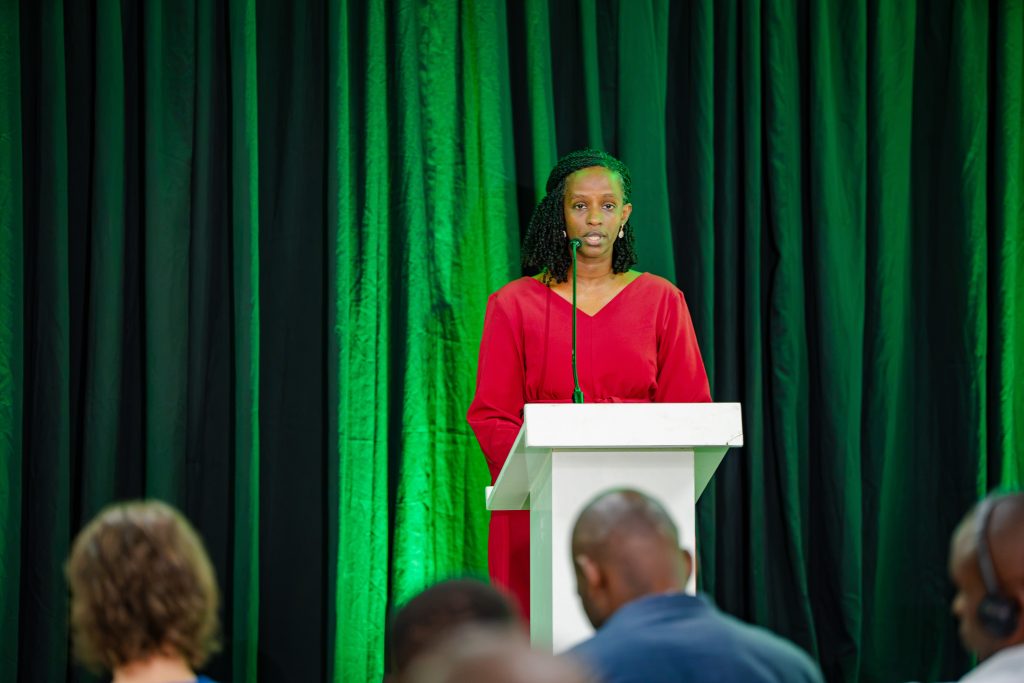
“Targets are written in conference halls. They are made in workshops, in cold rooms, on rooftops and in hospital plant rooms but the Kigali Amendment will succeed in your hands or it will not succeed at all,” she told the technocrats.
Some alternatives to HFCs have a lower climate impact, but certain refrigerants are flammable or operate under high pressure, making proper training, certification and safety equipment essential.
Oluyomi Banjo, who leads the United Nations Industrial Development Organization’s (UNIDO) work on the Montreal Protocol and sustainable cooling, said the transition would depend heavily on the skills and preparedness of refrigeration professionals.
“UNIDO supports Montreal Protocol programs in 44 African countries and one lesson stands out from this decade. The transition is won or lost in the hands of the type of people that are seated in this room,” Banjo said.
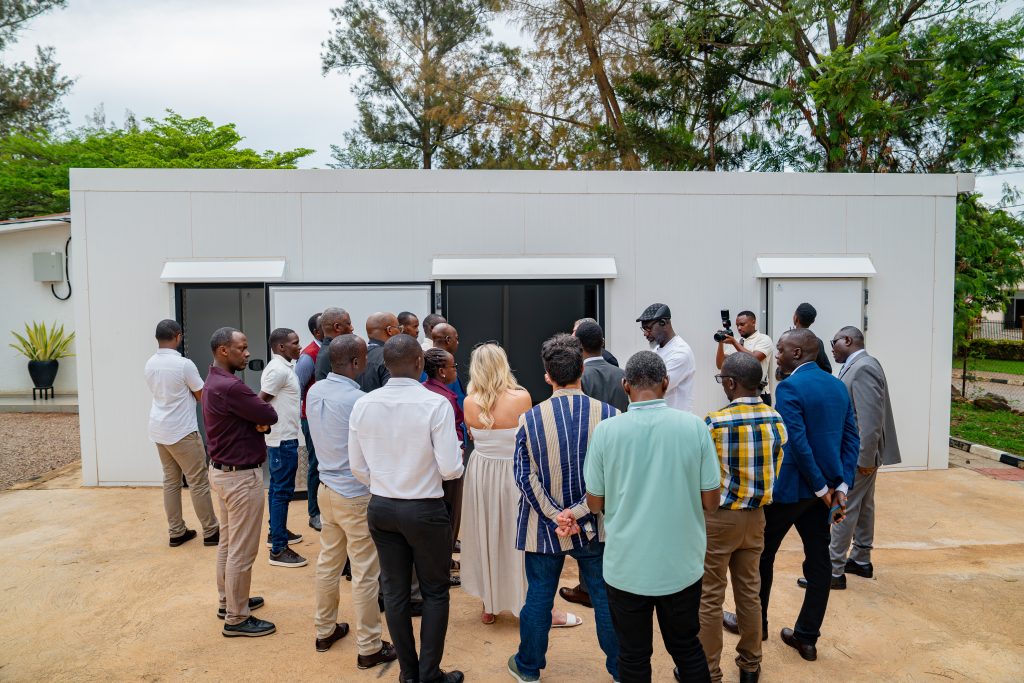
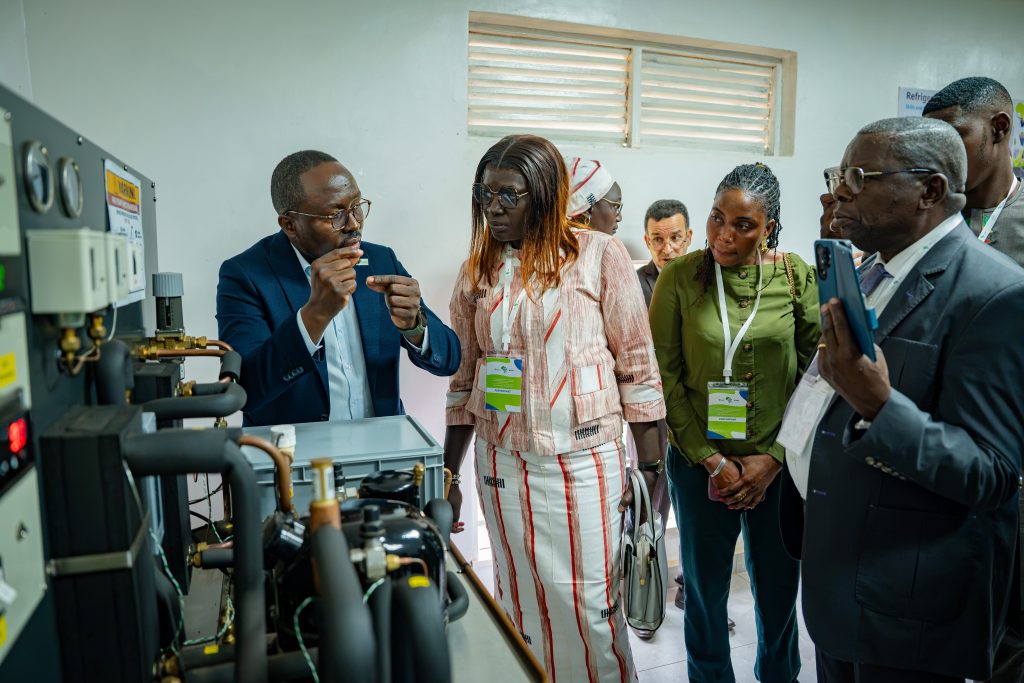
In Rwanda, the organization is equipping a central unit and four provincial centers of excellence and supplying equipment for refrigerant recovery and identification.
On her part, Raoudha Massaoudi, president of the Tunisian Association of Refrigeration and Air Conditioning, called for wider access to technical education and employment, noting that women remain underrepresented in some training programs.
Ahead of MOP38, U3ARC members are discussing technician certification, alternative refrigerants, gender inclusion and a common African position on sustainable cooling.
Founded in 2020 and based in Ouagadougou, Burkina Faso, Union of Associations of African Actors in Refrigeration and Air Conditioning brings together more than 45 associations and over 10,000 registered technicians, according to its organizers.
For African countries, the challenge facing the Kigali talks is to reduce emissions from cooling while ensuring farmers, hospitals and businesses can access the refrigeration they depend on.