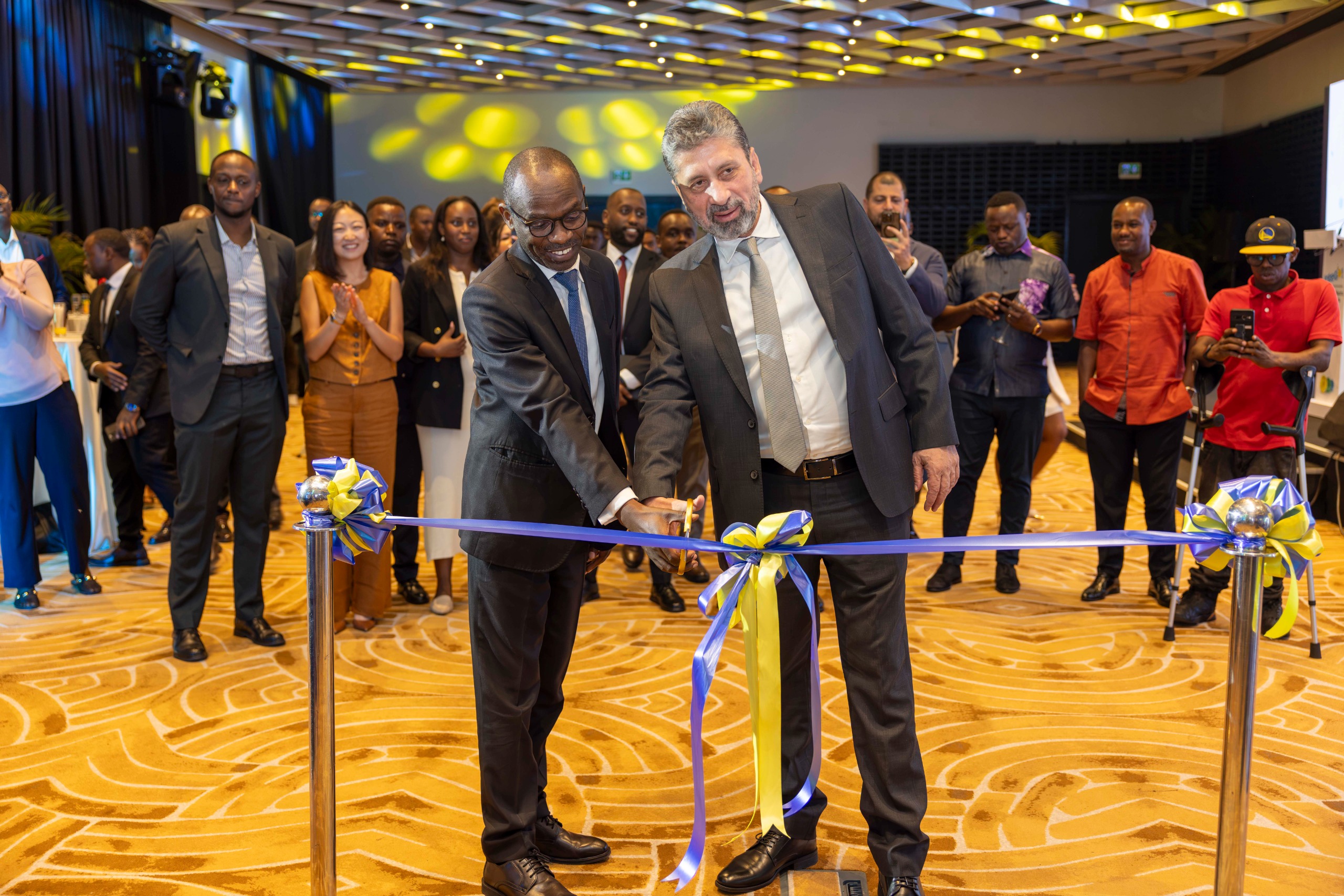
KIGALI – Rwanda is looking to turn a national lottery into a new source of development financing, projecting that it will generate US$37.6 million (RWF55 billion) over five years for public-benefit initiatives in sports, health and culture.
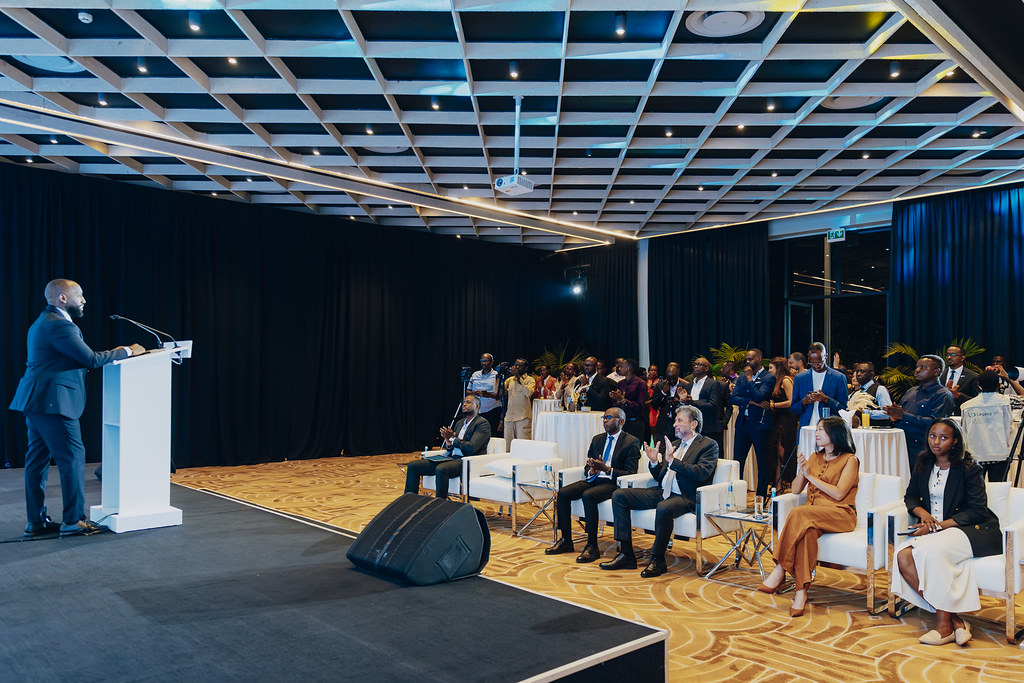
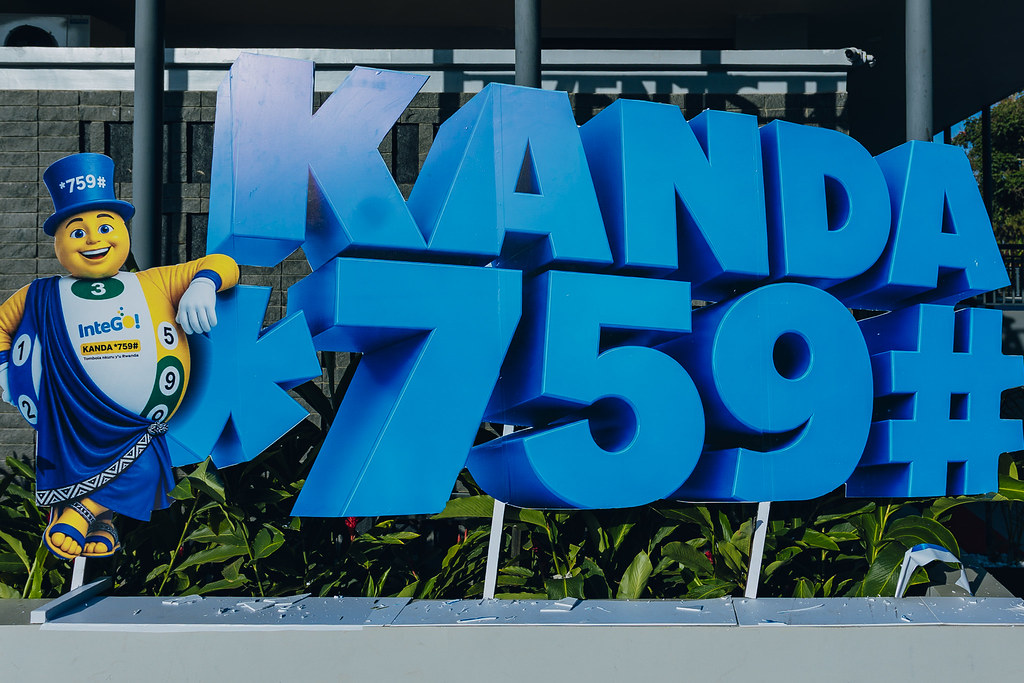
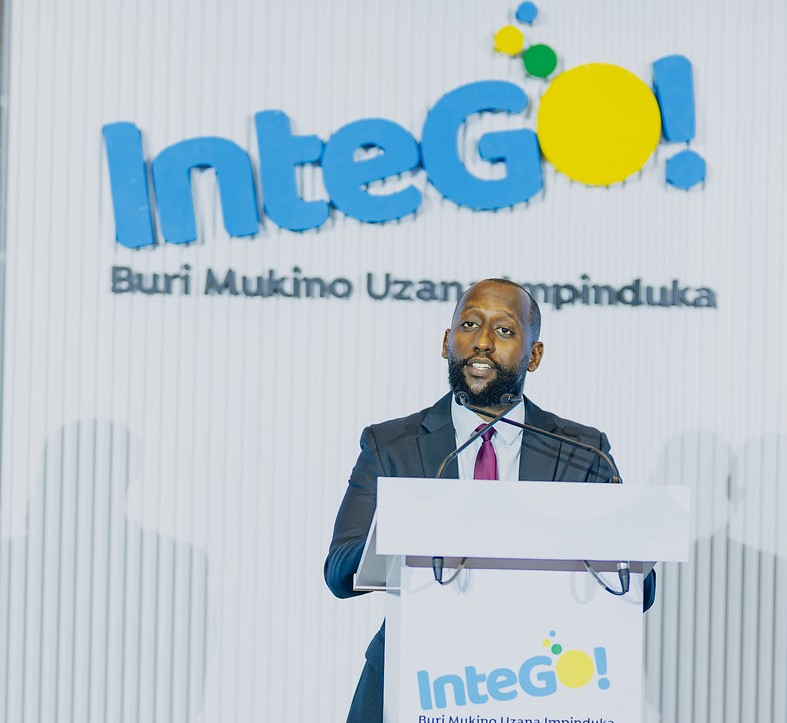
The government-owned lottery, InteGo, launched in Kigali on October 27, is designed to mobilize domestic resources for national priorities while supporting community wellbeing and creating opportunities in sectors ranging from sports to the creative economy.
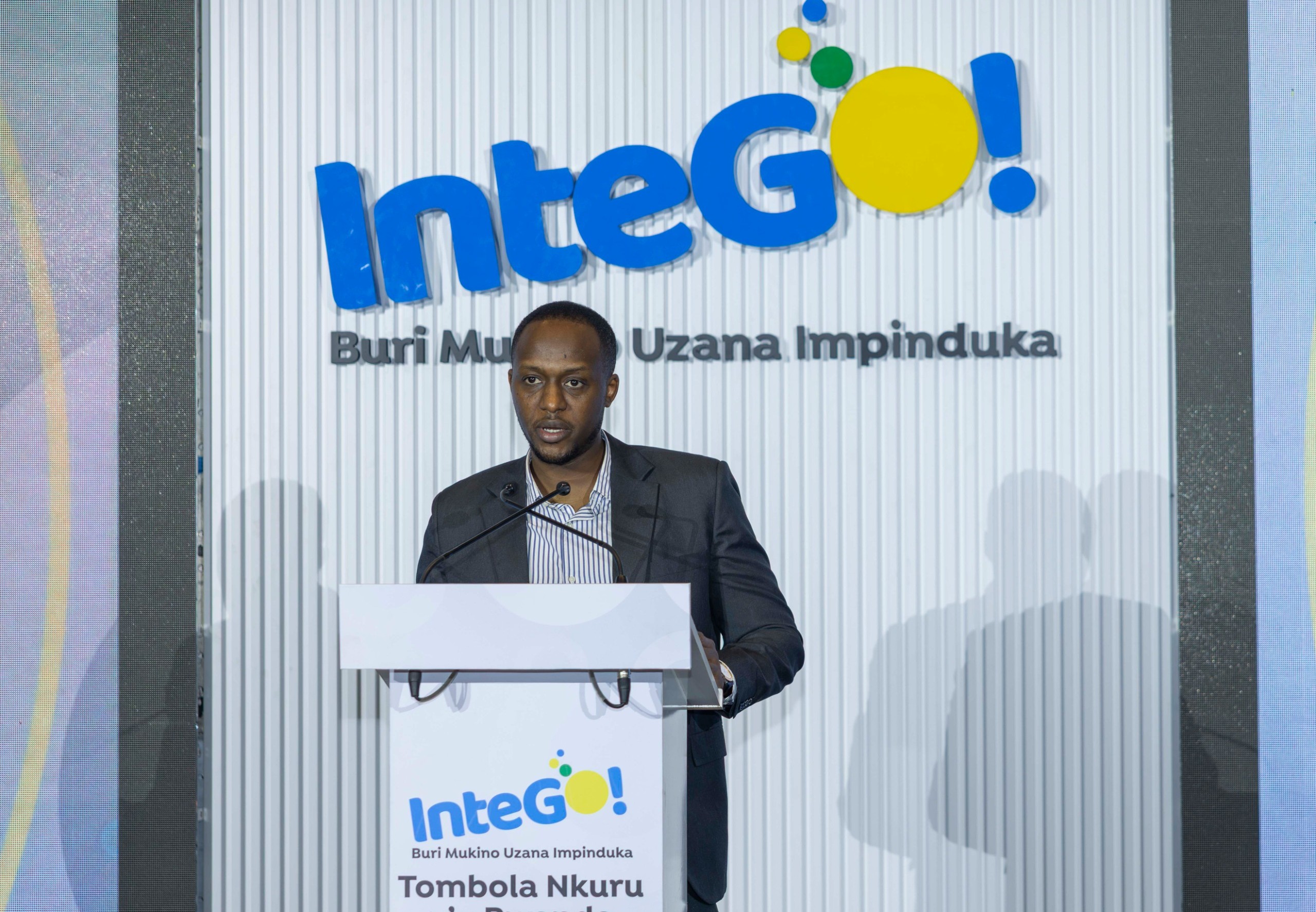
Serge Nyombayire, Head of Gambling Licensing and Regulations at the National Lottery and Gambling Commission (NLGC), said the initiative would operate under a framework intended to ensure accountability while directing proceeds towards public priorities.
“InteGo is owned by the Government of Rwanda and regulated by the National Lottery and Gambling Commission under the Rwanda Development Board,” he said, explaining that Moja Rwanda Ltd had been selected through a competitive process to operate the lottery as a technical partner.
The government retains ownership, while the Commission oversees the operation and its compliance with regulatory requirements.
Nyombayire said the government’s share of proceeds would be deposited into dedicated national lottery accounts managed by the Commission, with resources directed towards sports, health and culture.
The Commission has also committed to reporting on revenue generated, allocations made and the impact achieved, providing a framework for tracking how the lottery contributes to national development.
Turning proceeds into community benefits
For the government, the lottery offers another avenue for mobilizing domestic resources. For communities, its value will ultimately depend on the initiatives supported and how widely their benefits are distributed.
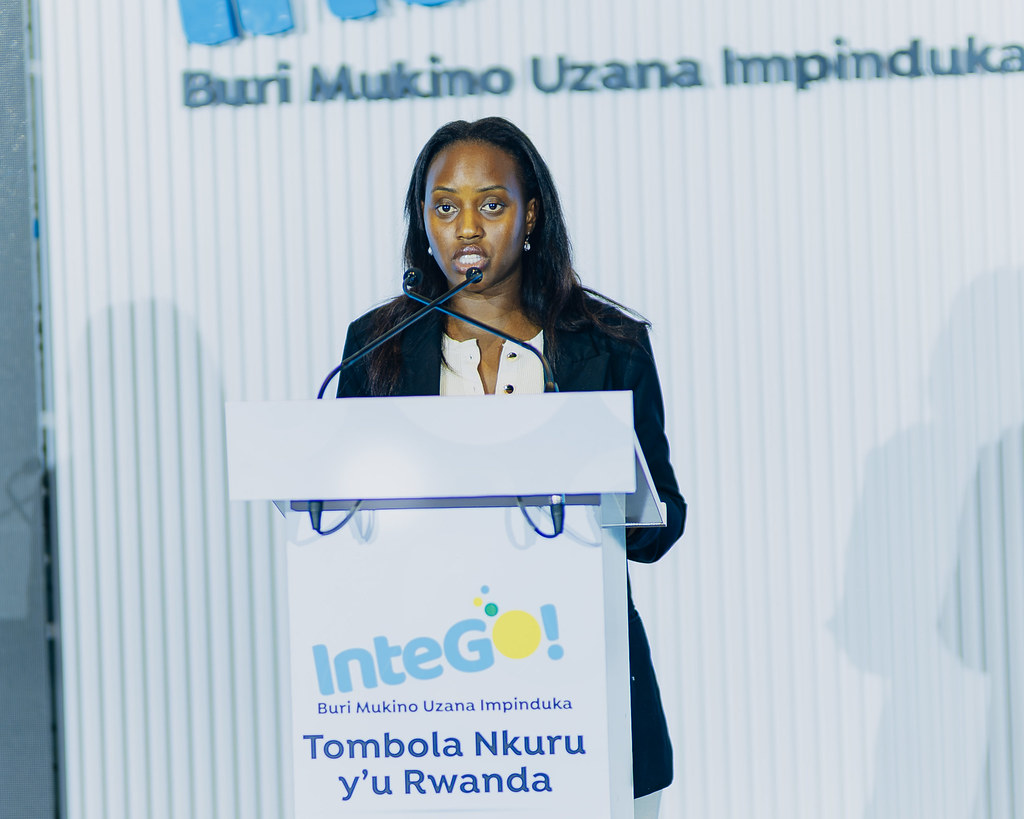
Denise Kayumba, Technical Advisor at the Ministry of Local Government (MINALOC), said the benefits should reach communities across the country.
“Every district should equally benefit from lottery-funded projects,” she said, adding that MINALOC would work with the Commission and districts to promote equitable distribution.
She also emphasized the importance of involving citizens in shaping local development initiatives, arguing that communities are more likely to embrace projects and contribute to their upkeep when they participate in determining their priorities.
Community forums, including gatherings after Umuganda, will be used to explain the lottery and encourage discussions about its implications.
The three priority sectors offer different opportunities for public benefit. Sports can support talent development and create opportunities for young people, health contributes to community wellbeing, while culture can preserve Rwanda’s heritage and expand opportunities in the creative economy.
The Commission says it will work with relevant institutions to ensure the resources support initiatives that deliver meaningful benefits.
Balancing revenue with responsible fun
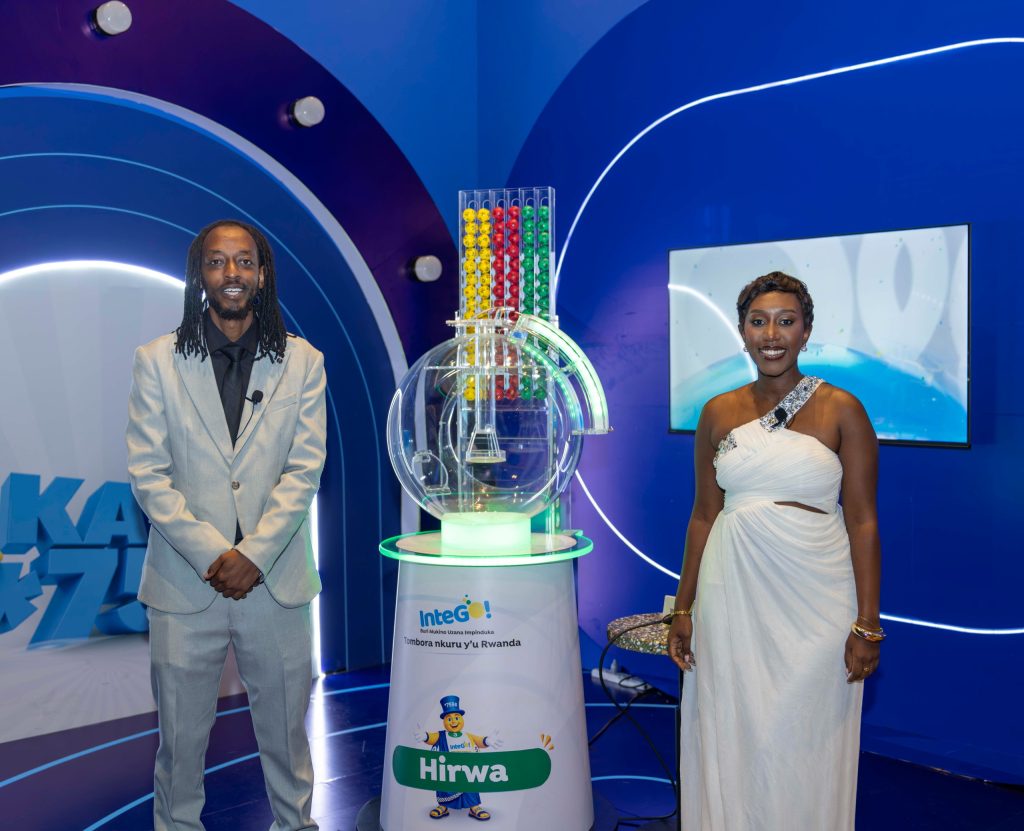
Alongside its development ambitions, InteGo brings a responsibility to protect participants from gambling-related harm.
Kayumba warned against allowing the prospect of winning money to overshadow the importance of building sustainable livelihoods and cultivating a saving culture.
“Our youth need meaningful opportunities to build sustainable livelihoods and cultivate a saving culture, not to be misled by the hope of quick financial gains,” she said.
Daniel Mihizi, General Manager of Moja Rwanda Ltd, said the operator had invested in technology and operational systems to support secure transactions, accountability and player protection.
The digital platform allows eligible adults to participate through USSD, mobile money, a website and a mobile application. It also incorporates spending limits and cooling-off options, while players wishing to stop can request account closure.
Participation is restricted to adults aged 18 and above and authorities stress that the lottery should never be treated as a source of income or a solution to financial difficulties.
Mihizi said responsible gambling was central to the operator’s obligations and its relationship with the public.
“This is Rwanda’s national lottery, and its success must ultimately be measured not only on the financial performance, but also the trust it earns, the people it protects, and the value it creates for the nation,” he said.
With projected proceeds of RWF55 billion over five years, InteGo offers Rwanda another mechanism for financing public priorities. Its contribution will ultimately be reflected in the opportunities it creates, the communities it reaches and the transparency with which its proceeds are managed.