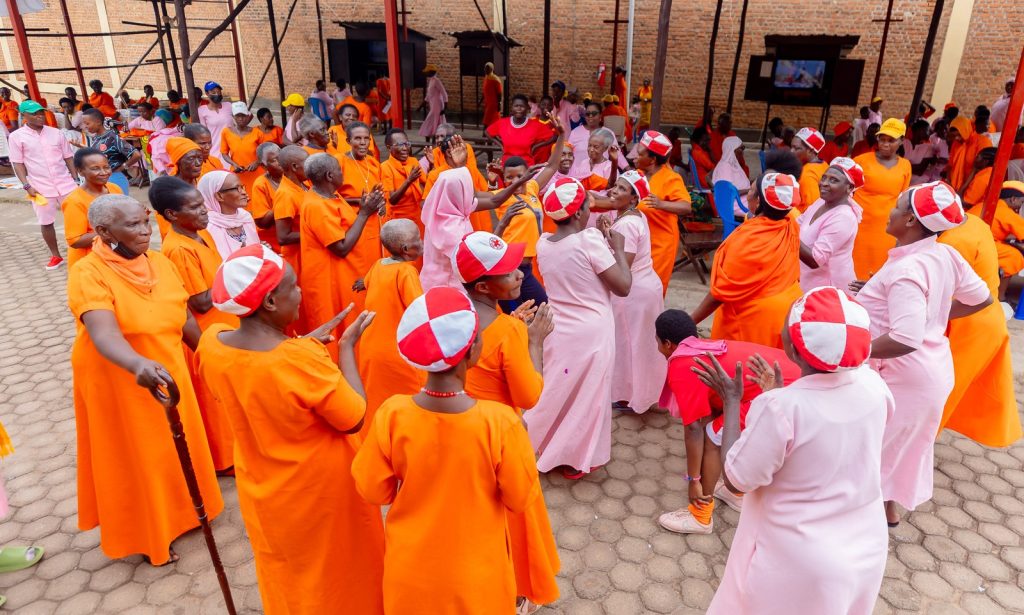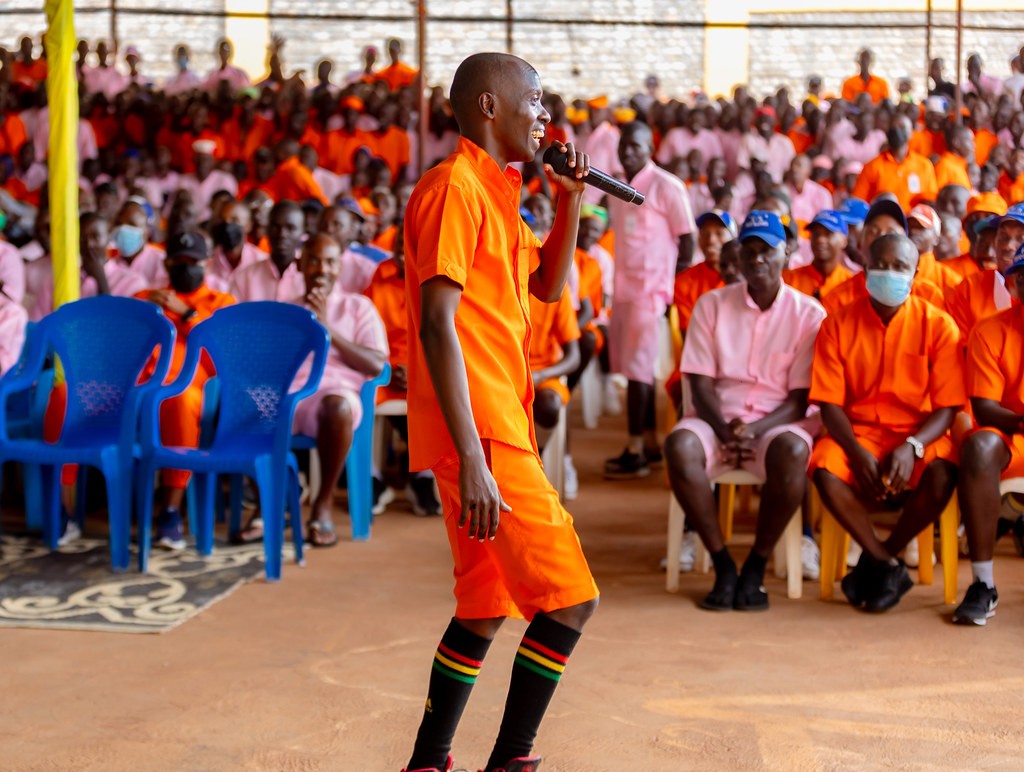
KIGALI – Rwanda is working to improve conditions in prisons and other detention facilities under 249 recommendations it accepted through the United Nations Universal Periodic Review (UPR), reinforcing its commitment to protecting the rights and welfare of people in custody.
The commitments include strengthening healthcare services, improving sanitation and accommodation, ensuring appropriate treatment of detainees and bringing detention facilities further in line with international standards.
They also build on progress already recorded in the country’s detention system, where the overall occupancy rate across prisons, police cells, rehabilitation centers and transit centers declined from 110% to 97%, according to the National Commission for Human Rights (NCHR).
On January 21, 2026, Rwanda submitted its fourth-cycle Universal Periodic Review report to the Office of the UN High Commissioner for Human Rights in Geneva, approximately four and a half years after its previous review.
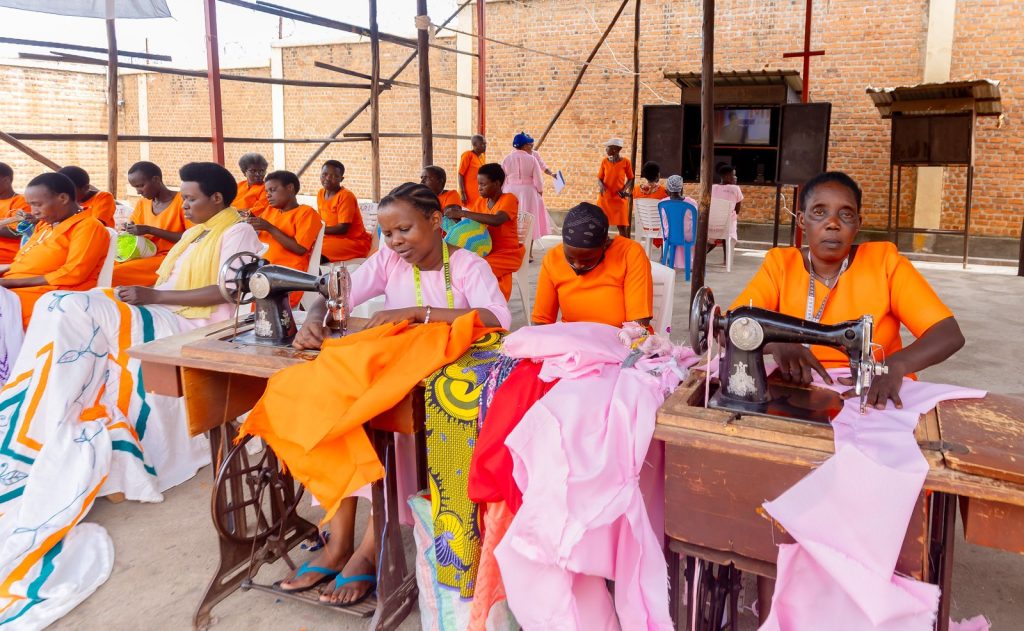
The report contains 249 recommendations that Rwanda has committed to implementing over the next four and a half years, covering human rights protection, social welfare and justice.
Among them, recommendations 134.70 and 134.71 focus on improving conditions in detention facilities, including accommodation, healthcare, sanitation and the separation of children from adults.
Recommendation 134.72 calls for regular inspections of places of detention to prevent unlawful detention and ensure that individuals are not held beyond the expiry of their sentences.
Recommendation 134.73 focuses on aligning detention management and conditions with the Nelson Mandela Rules, the United Nations standards that promote the humane treatment of prisoners and respect for their dignity and rights.
Detention facilities record improvement in occupancy levels
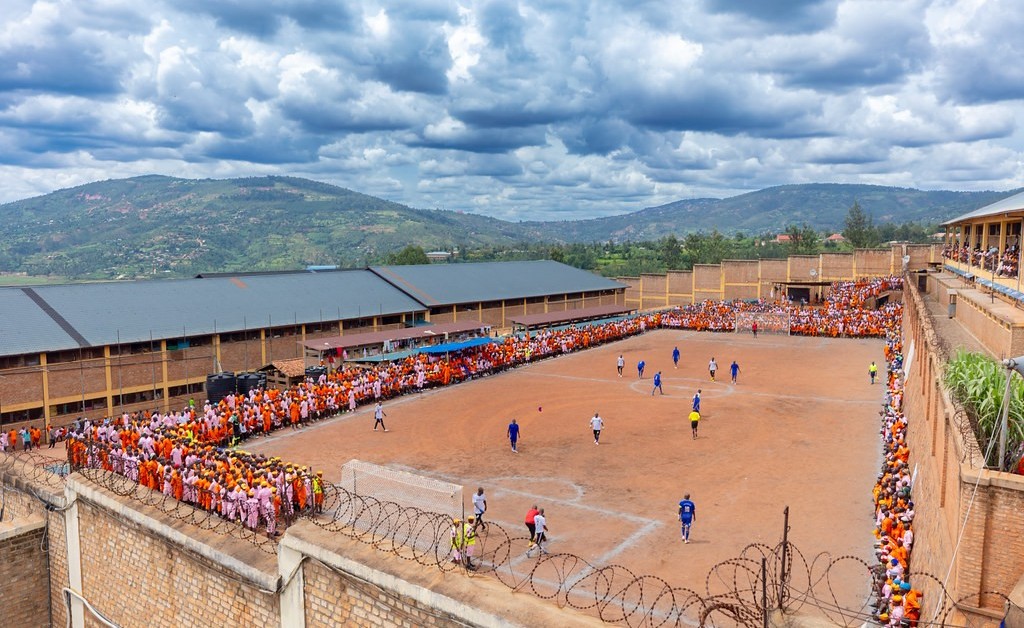
During the 2025/2026 financial year, the NCHR inspected 15 prisons across the country, 148 police detention facilities, transit centers, rehabilitation centers in Iwawa, Nyamagabe, Gitagata and Ngarama, as well as detention facilities at border crossings.
The Commission reported that overall occupancy across detention facilities declined from 110% to 97%, an improvement in the balance between available capacity and the number of people held in custody.
However, conditions vary across individual facilities, with five prisons still accommodating more inmates than their intended capacity.
Rusizi prison is operating at 131% of its intended capacity, while Rubavu stands at 125%, Nyarugenge at 115%, and Muhanga and Rwamagana at 110% each.
Presenting the findings to Parliament last week, NCHR Chairperson Providence Umurungi highlighted areas requiring further attention, particularly accommodation, healthcare and basic supplies in detention facilities.
“In these prisons, because there are so many people, some inmates sleep on the floor because they have no beds. Some do not have prison uniforms, and in certain places we found that there were not enough utensils for serving meals,” Umurungi said.
She added that some prisoners requiring specialized medication not covered by community-based health insurance were unable to obtain it. The Commission also identified a need for more specialist healthcare professionals.
Strengthening access to justice and appropriate detention
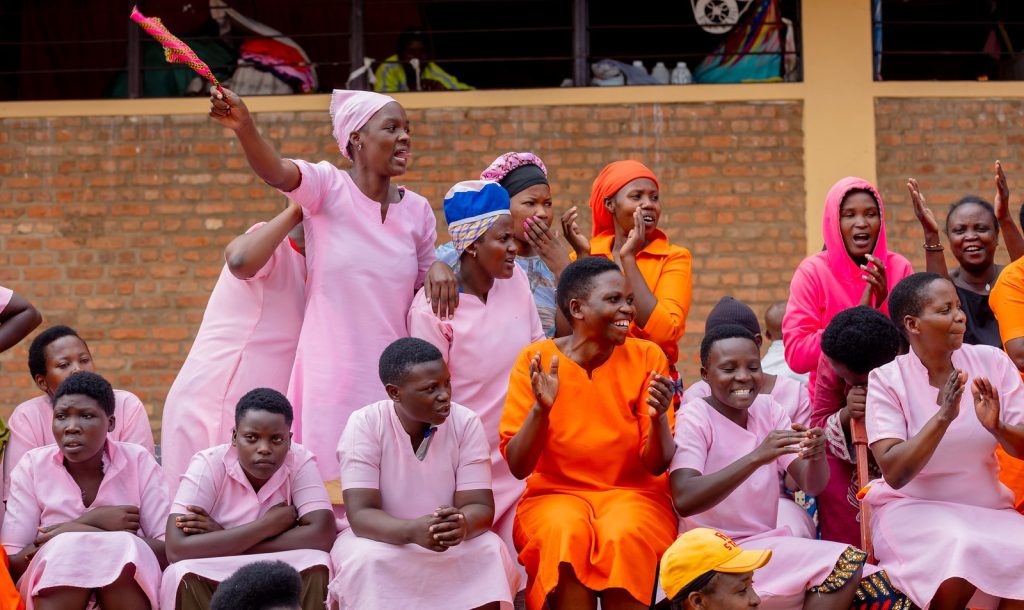
The Commission identified 308 detainees whose cases had yet to be concluded, highlighting the importance of timely judicial processes and regular reviews of detention.
The inspections covered 29 transit centers, which accommodated more than 11,000 people. Their combined occupancy rate stood at 136%, with Gikondo center, (Kwa Kabuga), recording 246%. Rwanda’s four rehabilitation centers also accommodated more than 6,000 people.
According to the findings, many people held in the centers had been arrested for theft, while others were reportedly detained after declining to have their photographs taken for digital identity cards.
“We need to be clear about who should be taken to transit centers and who should instead be handled through the conventional criminal justice system. Those repeatedly involved in criminal offences should be processed through the established legal system,” Umurungi said.
Umurungi said some individuals had returned to the centers more than four times, particularly in cases involving drug use and repeated relapse after rehabilitation.
The findings prompted lawmakers to discuss ways of strengthening rehabilitation programs and expanding approaches that support people returning to their communities.
Parliament calls for stronger community-based approaches

Members of Parliament Christine Bakundufite and Jennifer Wibabara called for additional measures to improve the management of detention facilities and strengthen alternatives to imprisonment.
Bakundufite argued that preventing crime should involve communities alongside law enforcement institutions, with greater attention to approaches that help offenders change their behavior without necessarily resorting to imprisonment.
“Rather than building more prisons, I believe we need what could be called community resilience through strengthening communities’ capacity to prevent crime. Specific measures are needed,” she said.
Wibabara called for greater attention to the different needs of detainees, particularly those with medical conditions and mental health challenges, to ensure that detention arrangements support their health and well-being.
Other lawmakers highlighted the need to improve sanitation, access to bathing facilities and sleeping arrangements in police detention facilities.
Parliament reiterated that institutions involved in the administration of justice must uphold the dignity of everyone in custody, whether they are suspects or convicted offenders.
The latest UPR recommendations provide a framework for advancing these priorities over the coming years.
Their implementation should be seen through improvements in detention infrastructure, access to healthcare, timely justice and the humane treatment of everyone held in custody.