KIGALI – Planting a tree is often treated as the defining act of environmental conservation. But what happens to the seedling after the planting ceremony, when the people who put it in the ground have moved on?
A group of young Rwandan journalists is taking environmental reporting beyond newspaper pages and digital platforms, bringing conversations about climate change, biodiversity and conservation directly to schoolchildren.
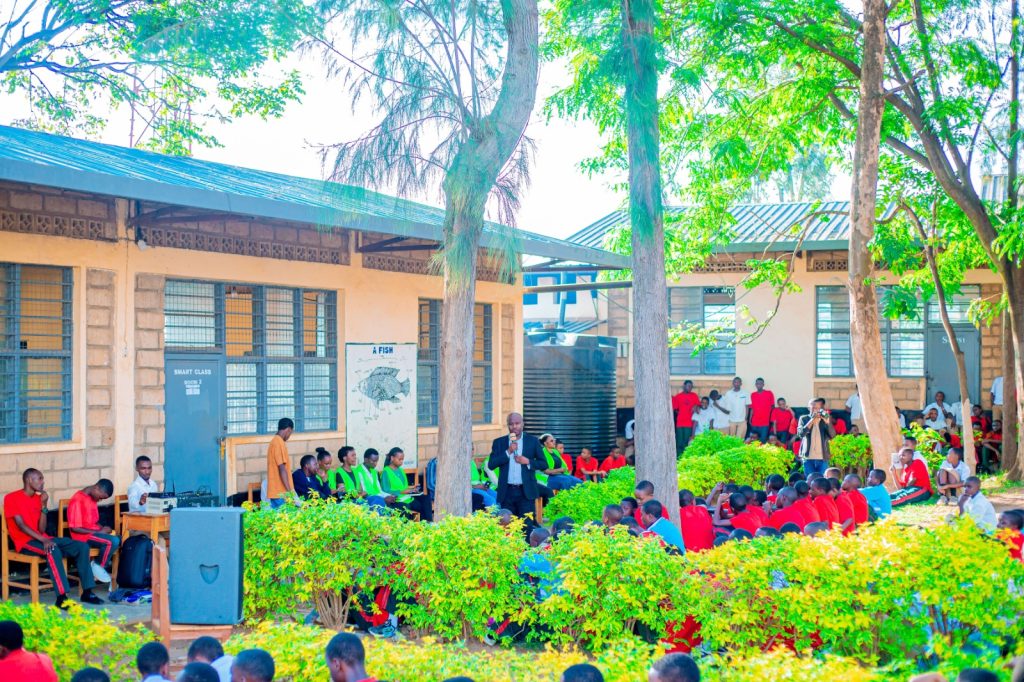
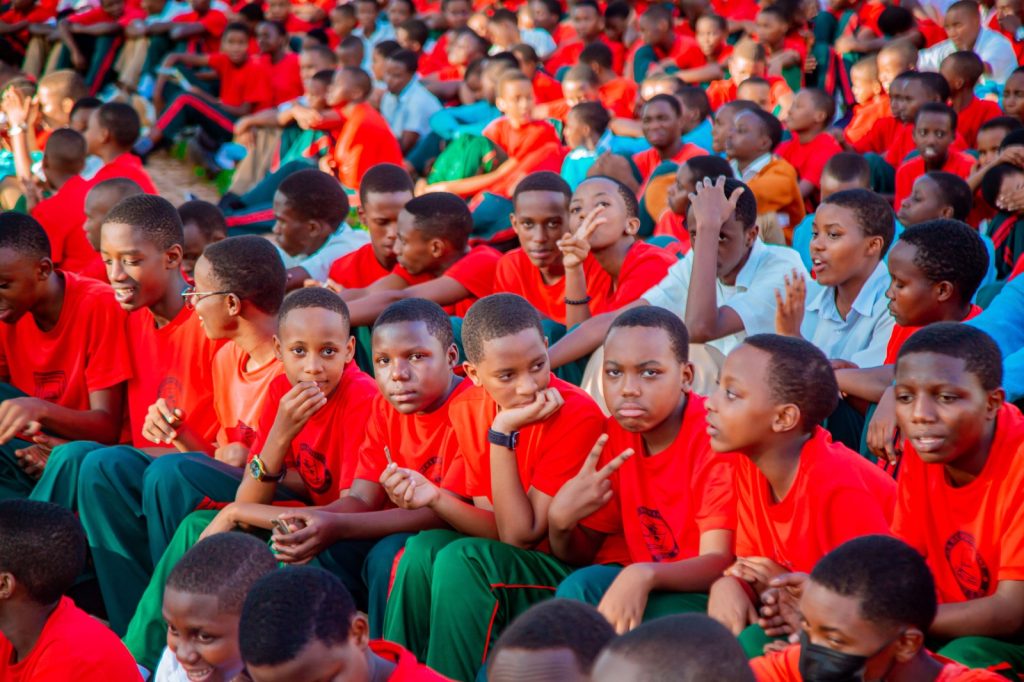
Their latest engagement brought them to GS Remera Protestant where, last week, more than 1,089 students and teachers joined discussions and practical activities on protecting trees, conserving biodiversity and separating waste.
Through its “My Tree” concept, the group encouraged students to take personal responsibility for trees they plant, including watering and protecting them as they grow. Although a tree may be planted by one person, its benefits extend to the wider community.
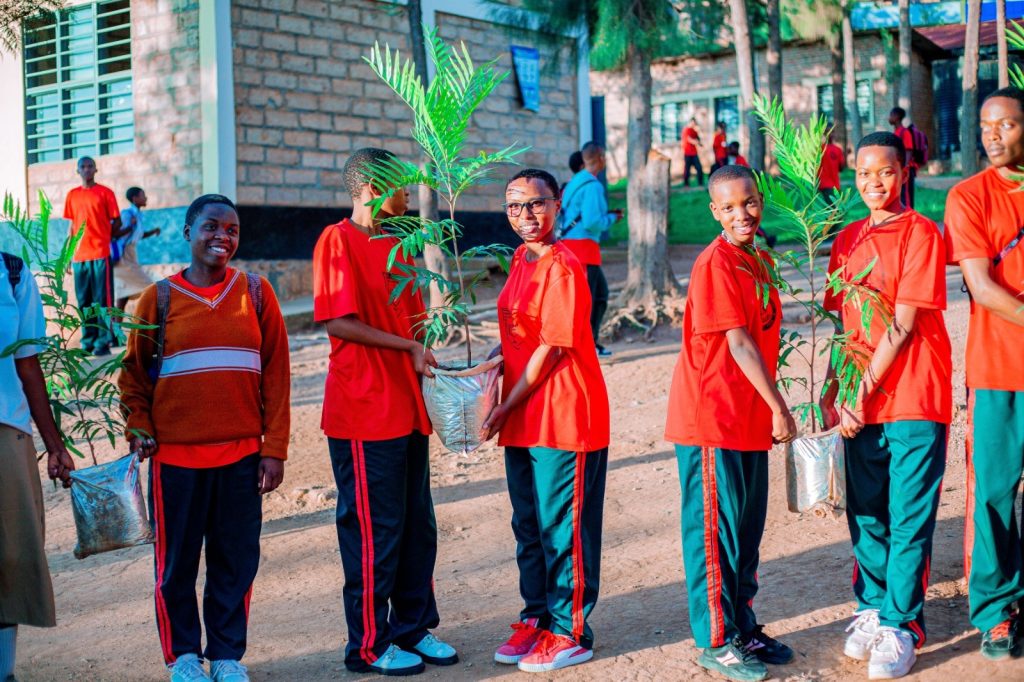
The idea carries particular relevance as Rwanda steps up efforts to expand and protect its tree cover. The country recently launched its 2026/2027 tree-planting season in Gahanga sector, Kicukiro district, under the theme “My Tree, My Legacy”.
Fidèle Bingwa, Permanent Secretary at the Ministry of Environment, told residents that planting seedlings was only the beginning and called on them to remain committed to their care.
“People must remain committed to the legacy captured in the theme, ‘My Tree, My Legacy’, because that is how this natural resource will benefit your lives,” Bingwa said at the launch.
His remarks reinforced a concern that also inspired the students’ engagement with the idea that success of tree-planting efforts cannot be measured only by the number of seedlings put in the ground, but also by how many survive and mature.
Conservation beyond the planting ceremony
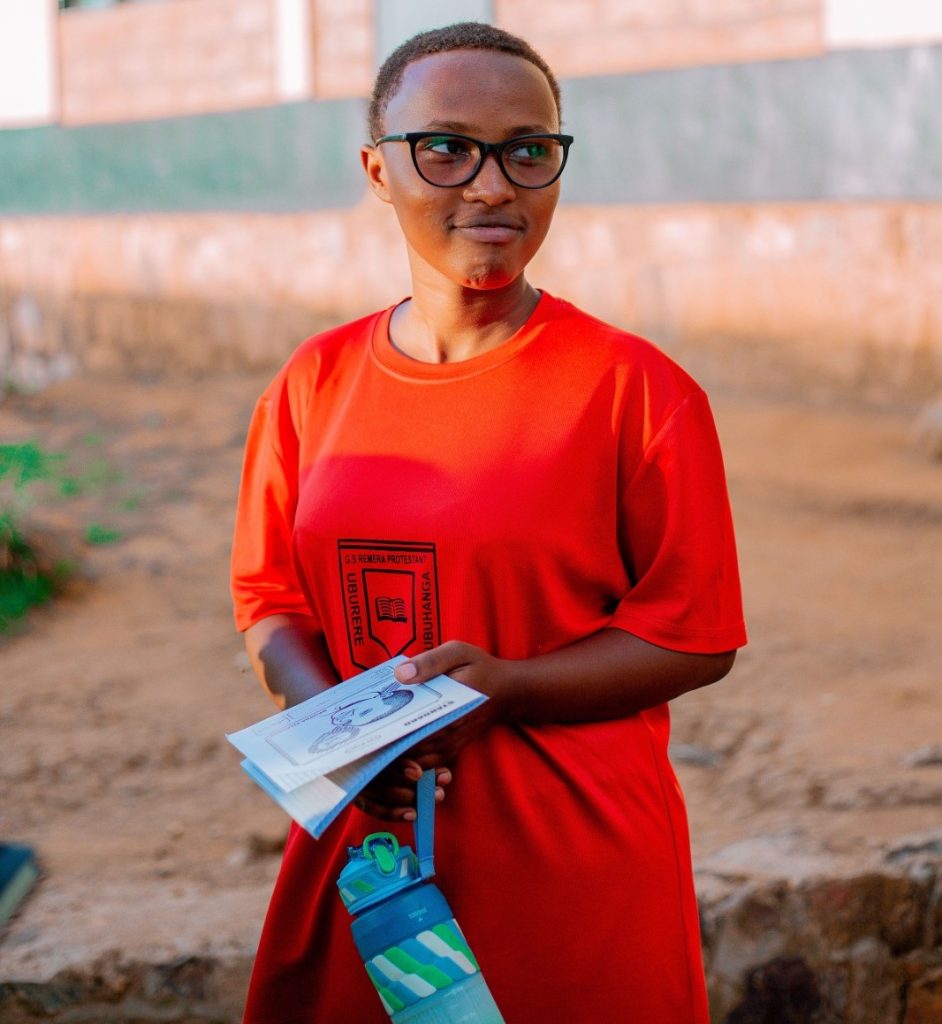
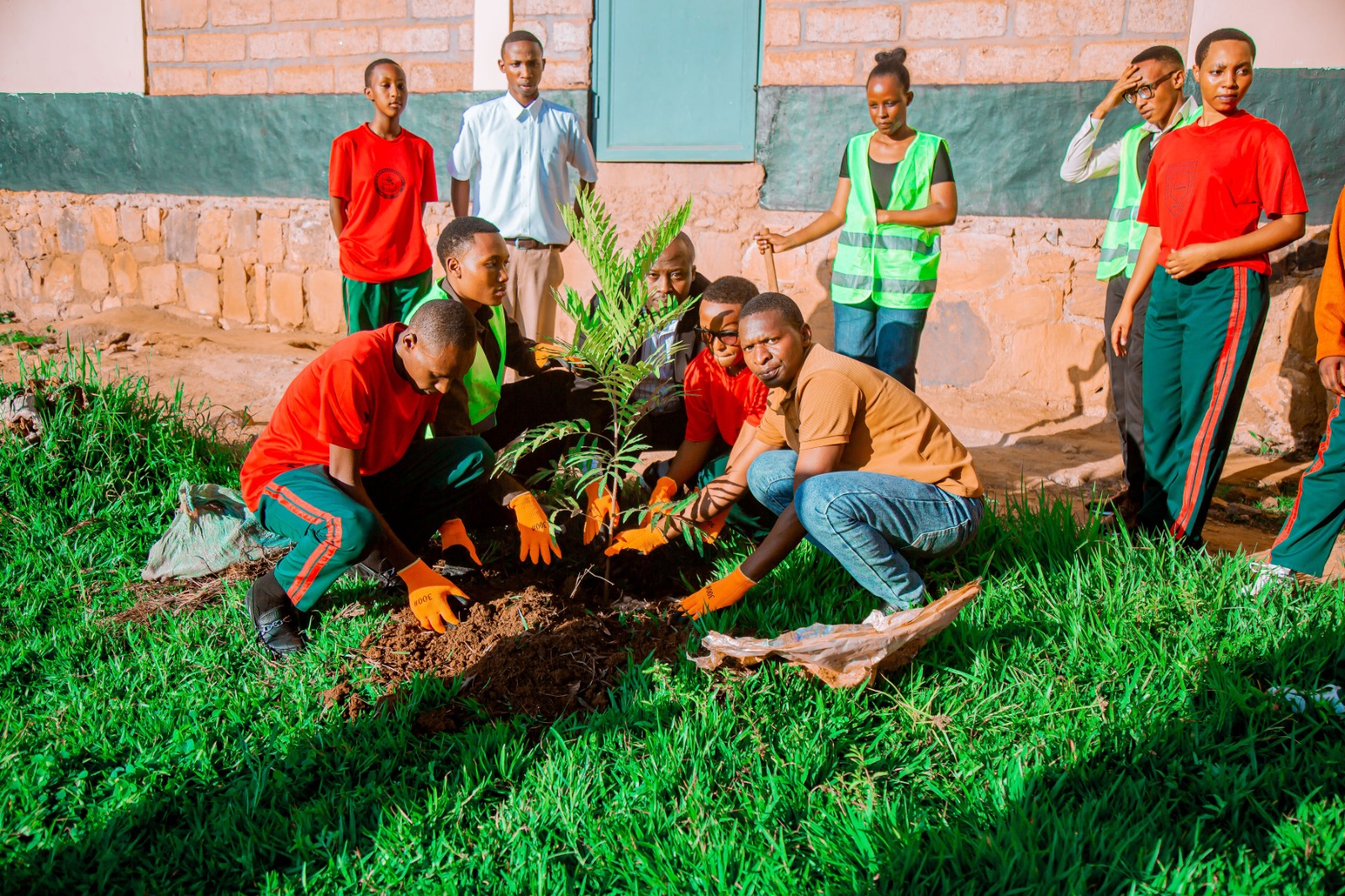
At GS Remera Protestant, the discussions went beyond trees to include biodiversity, environmental protection and proper waste separation. The group also planted trees at the school and donated dustbins and reusable water bottles to encourage environmentally responsible habits.
For students, the activities offered an opportunity to connect environmental protection with responsibilities they can practice in their daily lives.
Sandrine Akimpaye, president of the school’s Environmental Club, said the visit had encouraged students to take a more active role in conservation.
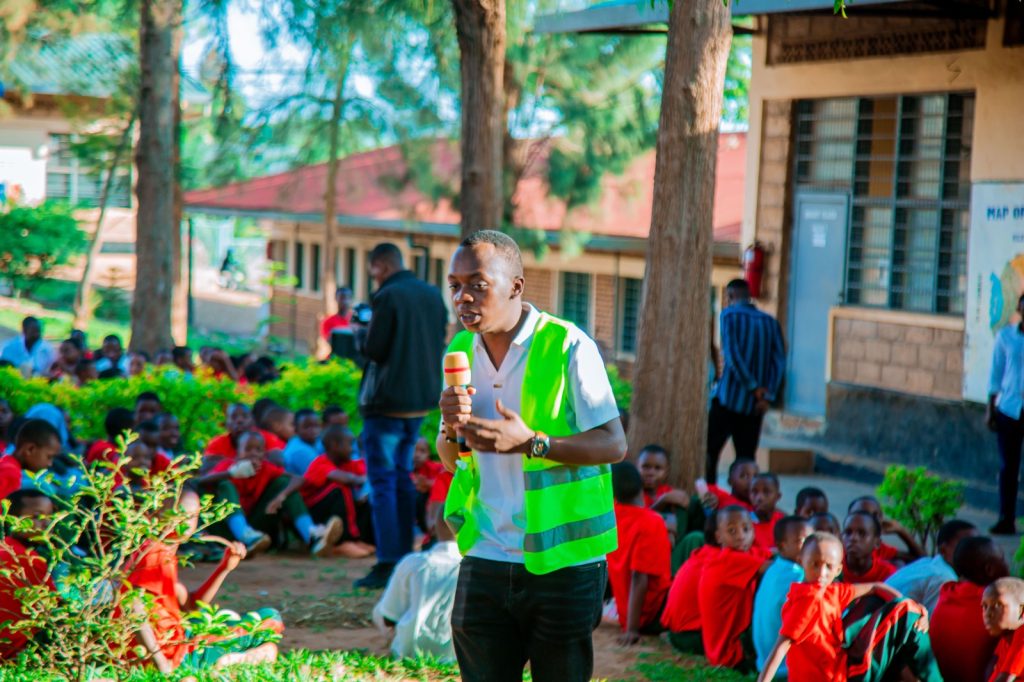
“We were happy to welcome our senior colleagues studying at different universities, and we have also committed ourselves to continuing to play a role in protecting the environment,” she said.
James Hakorimana, representing Forest for Life, stressed the importance of protecting trees after planting them. “A tree planted today is a promise, but a tree well protected is the future,” he said.
Without regular care and protection, seedlings can be lost before they deliver the environmental benefits expected of them, including protecting soil, supporting biodiversity and improving local ecosystems.
Taking environmental reporting to communities
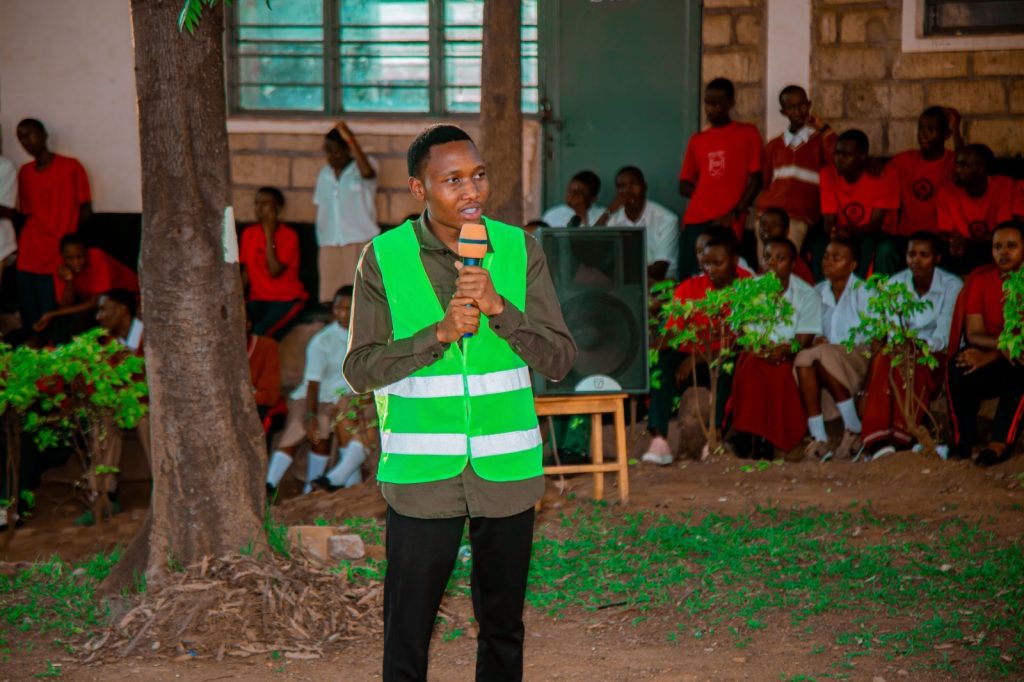
Green Voice Rwanda brings together journalism students and graduates from Mount Kigali University, the East African University Rwanda, the Institut Catholique de Kabgayi and the University of Rwanda’s Huye Campus.
The group emerged from environmental journalism with members committing to producing stories on climate change, wetlands, biodiversity and conservation, while sharing environmental knowledge with communities.
Patrick Niyonkuru, an East African University Rwanda journalism graduate and representative of the group, said environmental action should not be postponed. “The best time to protect the environment was yesterday, but the opportunity we have left is today,” he said.
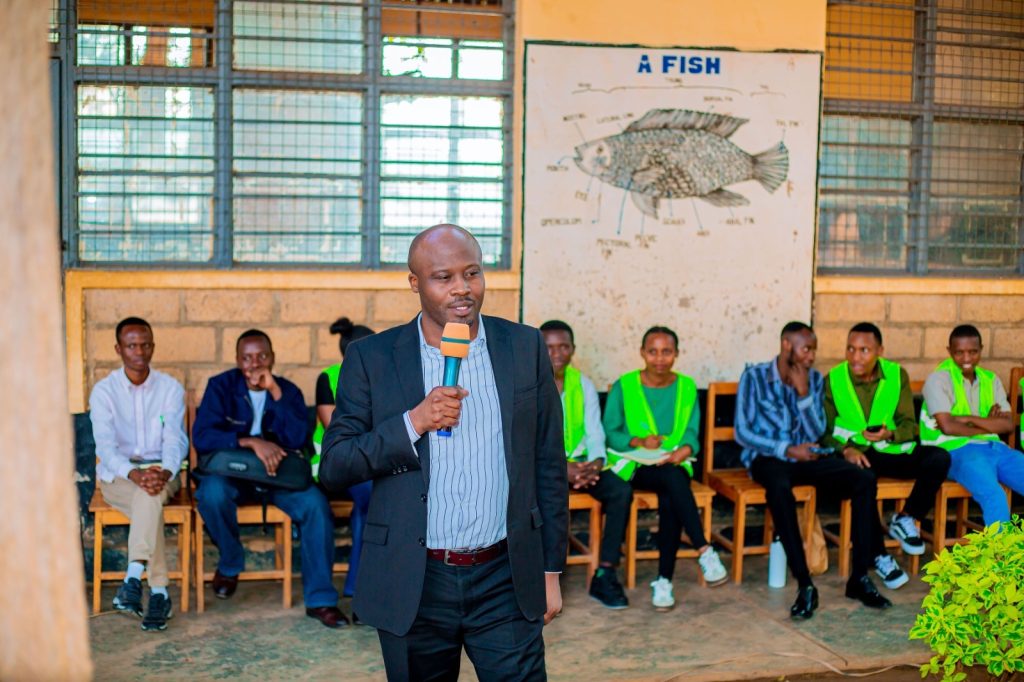
Jean Claude Nduwayezu, Dean of Students at the East African University Rwanda, welcomed the initiative, saying students had an important role to play in contributing to national development.
By taking their work into schools, the young journalists are extending environmental communication beyond newsrooms and online platforms.
Their engagement also gives students an opportunity to see conservation not as an occasional campaign, but as a responsibility that continues long after a tree has been planted or an awareness session has ended.
For the students who took part, the challenge now is to make the “My Tree” idea more than a name attached to a seedling and keep caring for the trees and protecting the environment around them.