KIGALI – For generations, detention systems across much of the world have largely been designed with one inmate in mind: the adult male.
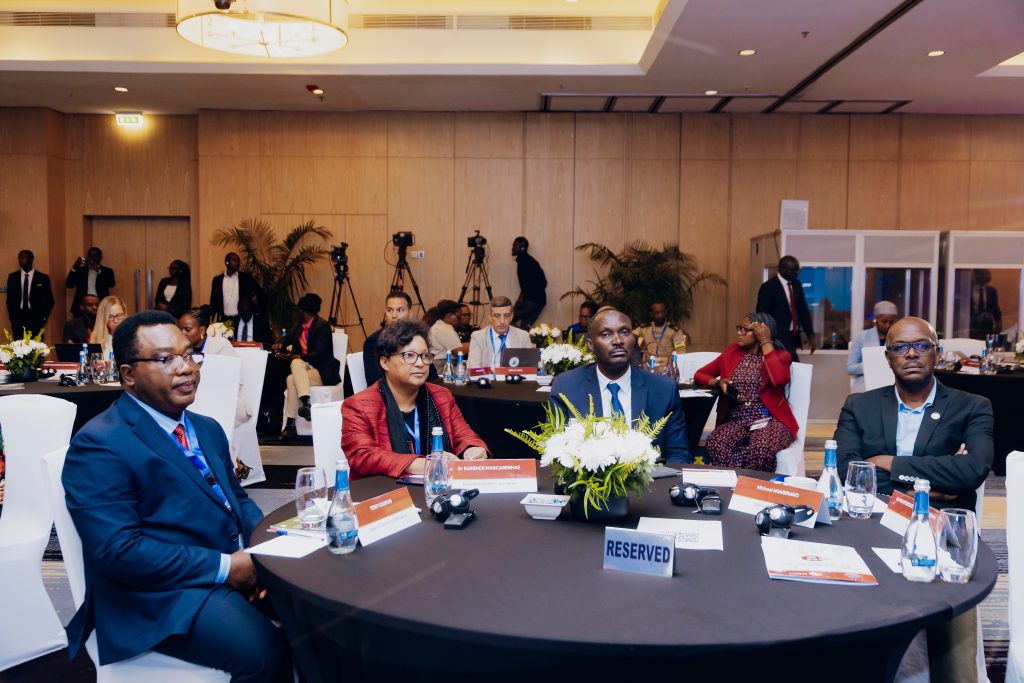
But as African human rights leaders gathered in Kigali on Wednesday, they highlighted that this long-standing model has left women and children facing risks that conventional prison systems were never built to address.
From inadequate reproductive healthcare for women to the trauma experienced by children deprived of their liberty, delegates attending the Fourth Annual Conference of the African National Preventive Mechanisms Network (ANPMN) said detention monitoring must evolve.
The evolvement, they say, must go beyond inspecting prison conditions to recognizing the unique vulnerabilities of different groups.
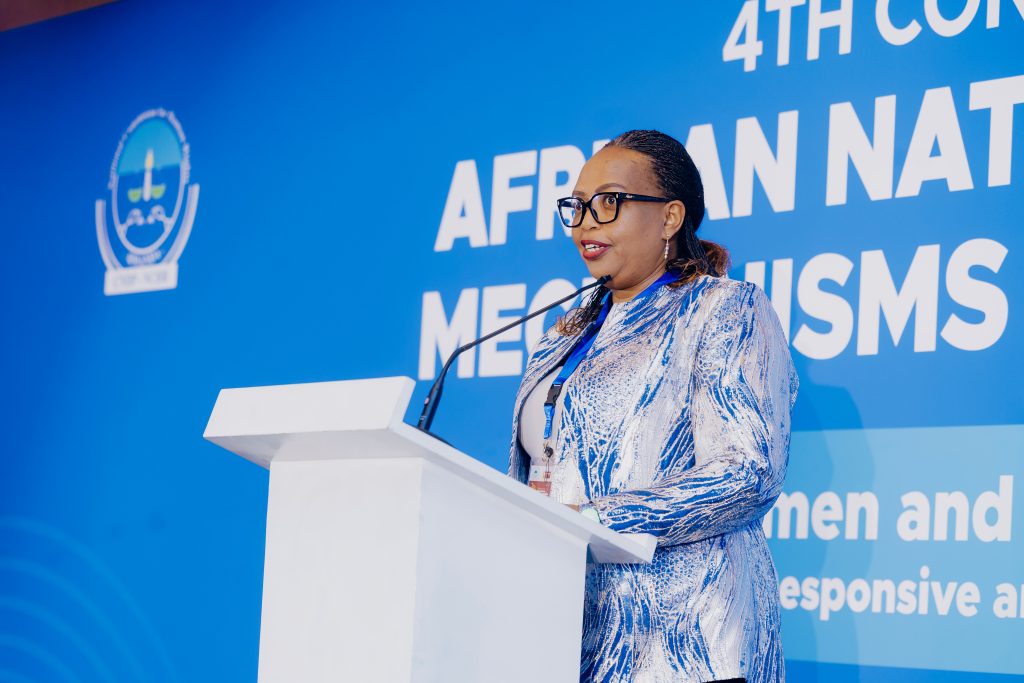
Hosted under the theme “Women and Children in Detention: Gender-Responsive and Child-Sensitive National Preventive Mechanism Approaches,” the conference seeks to examine how African countries can better protect the rights and dignity of people in detention.
A System That Must Change
Providence Umurangi, Chairperson of Rwanda’s National Commission for Human Rights, said women and children continue to face challenges because detention systems were historically designed without their specific needs in mind.
“Prisons were historically built by men and for men. When women and children enter these spaces, their unique vulnerabilities are often exacerbated by systems that were never designed to protect them,” she said.
She challenged delegates to move beyond policy discussions and focus on practical solutions capable of preventing gender-based violence, improving reproductive healthcare, protecting children from psychological harm and ensuring international detention standards are implemented consistently.
Looking Beyond Prison Walls
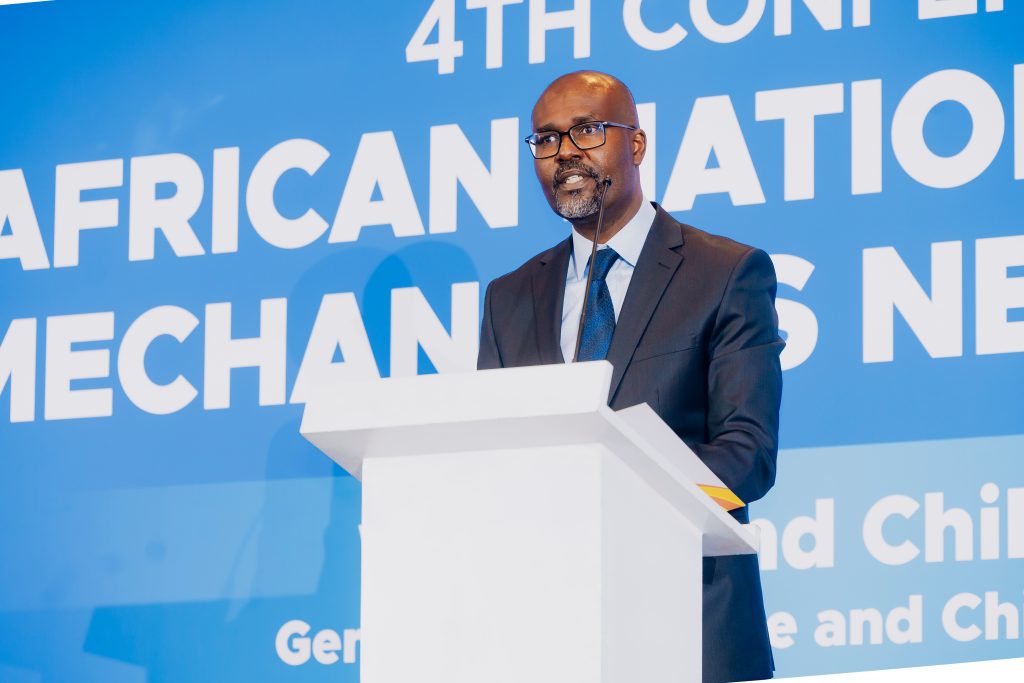
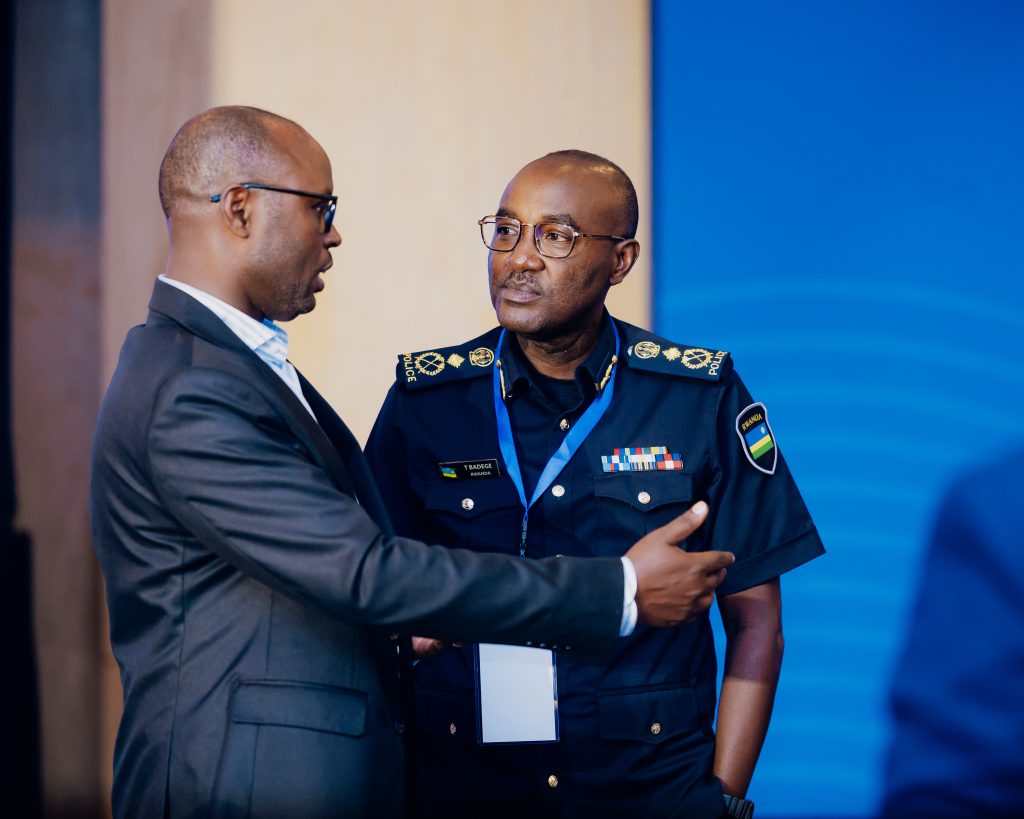
Gilbert Sebihogo, the Executive Director of the Network of African National Human Rights Institutions, said improving detention conditions requires a broader understanding of how different groups experience incarceration.
While overcrowding, prolonged detention, limited legal aid and inadequate rehabilitation services remain common across many African countries, he said women and children often suffer the greatest consequences.
“Effective monitoring now requires more than documenting conditions of detention. It requires a deeper understanding of how gender, age, disability, social exclusion and caregiving responsibilities shape the lived experience of people deprived of their liberty,” he said.
Sebihogo argued that national preventive mechanisms should not simply identify violations but become catalysts for institutional reform capable of preventing abuse before it occurs.
Quoting former South African President Nelson Mandela, he reminded delegates that “No one truly knows a nation until one has been inside its jails,” saying detention facilities remain among the clearest indicators of a country’s commitment to human dignity.
Rwanda offers a practical example
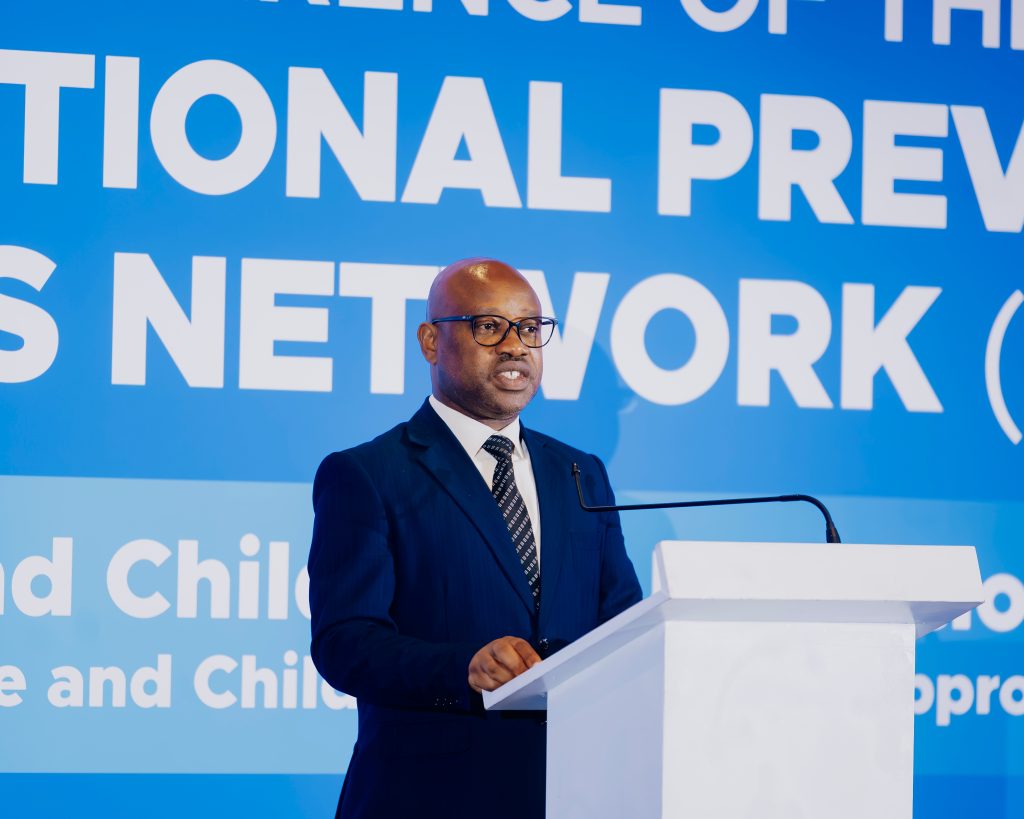
The conference came just one day after Rwanda launched its diversion framework for children in conflict with the law, a national policy aimed at ensuring detention becomes a measure of last resort for children accused of offences.
Instead of automatically entering the formal criminal justice system, eligible children will increasingly be directed towards mediation, counselling, psychosocial support, education and community-based rehabilitation programs.
Speaking on behalf of the Minister of Justice, Permanent Secretary Théophile Mbonera said the reforms reflect Rwanda’s commitment to building a justice system centered on rehabilitation rather than punishment.
“Effective child justice is not measured solely by accountability, but also by our ability to support rehabilitation, restore hope and enable children to become productive members of society,” he said.
Mbonera added that Rwanda has continued to strengthen protections for women and children through legal and institutional reforms while promoting alternatives to detention that preserve human dignity.
Making Prevention the Priority
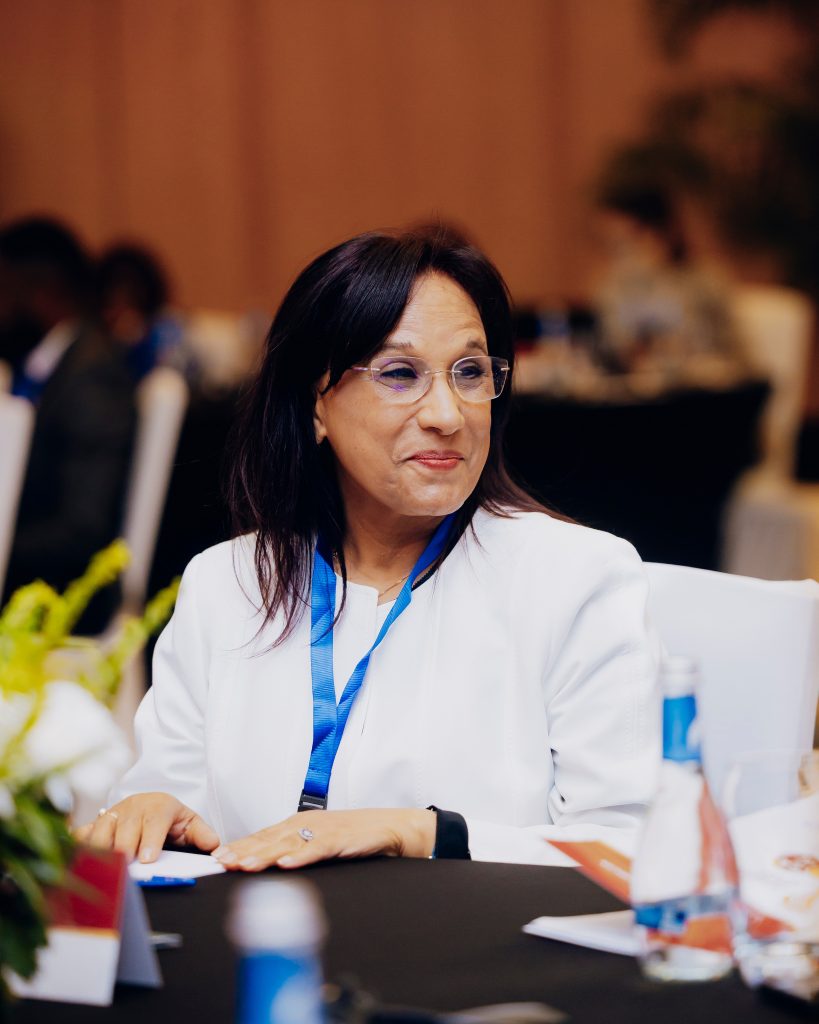
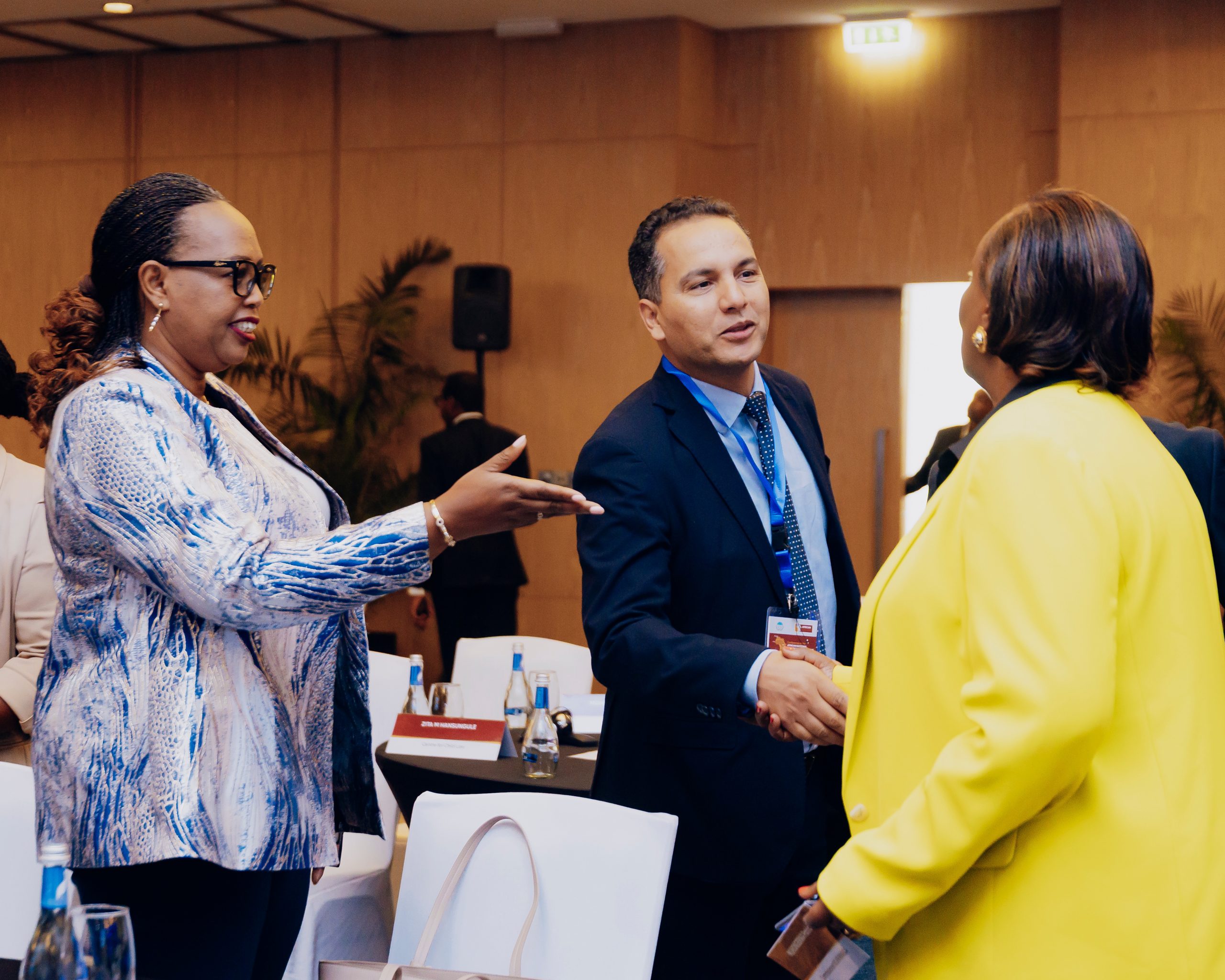
Amina Bouayach, the Chairperson of the African National Preventive Mechanisms Network, hosting the conference in Rwanda carried particular significance because of the country’s history and the lessons it offers about prevention.
She said the memory of the 1994 Genocide against the Tutsi demonstrates the devastating consequences of failing to recognize warning signs before human rights abuses escalate.
“History has repeatedly shown that humanity’s worst tragedies often begin with the gradual acceptance of the unacceptable. Our ambition is clear: zero tolerance for torture,” she said.
Bouayach urged African institutions to place prevention at the centre of justice systems rather than relying solely on responses after violations occur.
As delegates continue exchanging experiences and good practices, protecting the rights of people deprived of their liberty is no longer simply about improving prisons.
It is about redesigning detention systems that recognize the different realities faced by women and children, ensuring that dignity, protection and prevention become the foundations of justice across Africa.