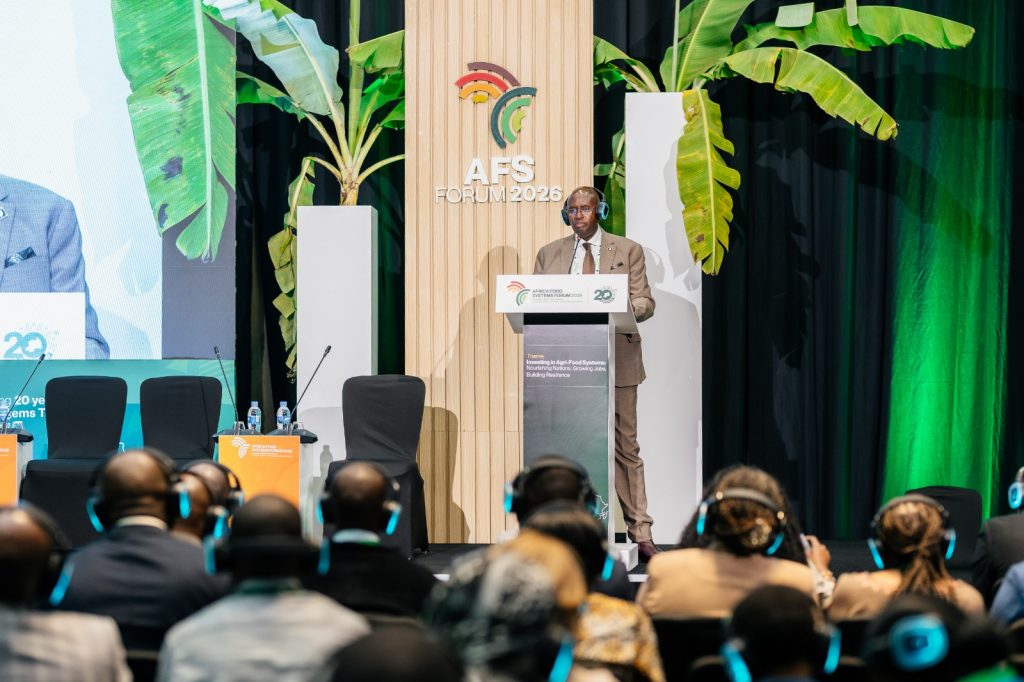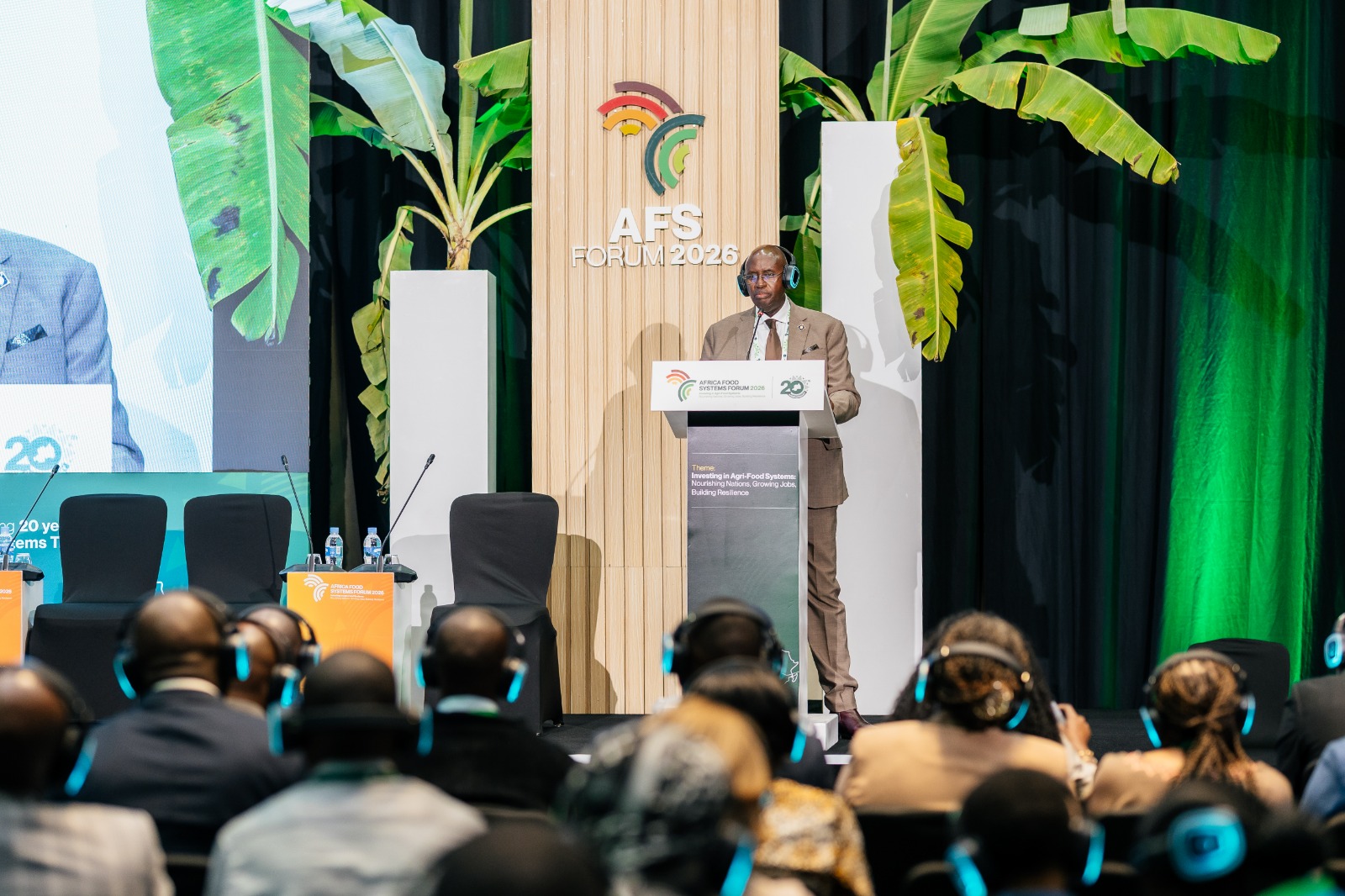
KIGALI – Uganda is seeking to move climate-smart agriculture beyond donor-funded projects and into the mainstream of commercial investment, using renewable energy to make the country’s dairy cooperatives more productive, profitable and resilient.
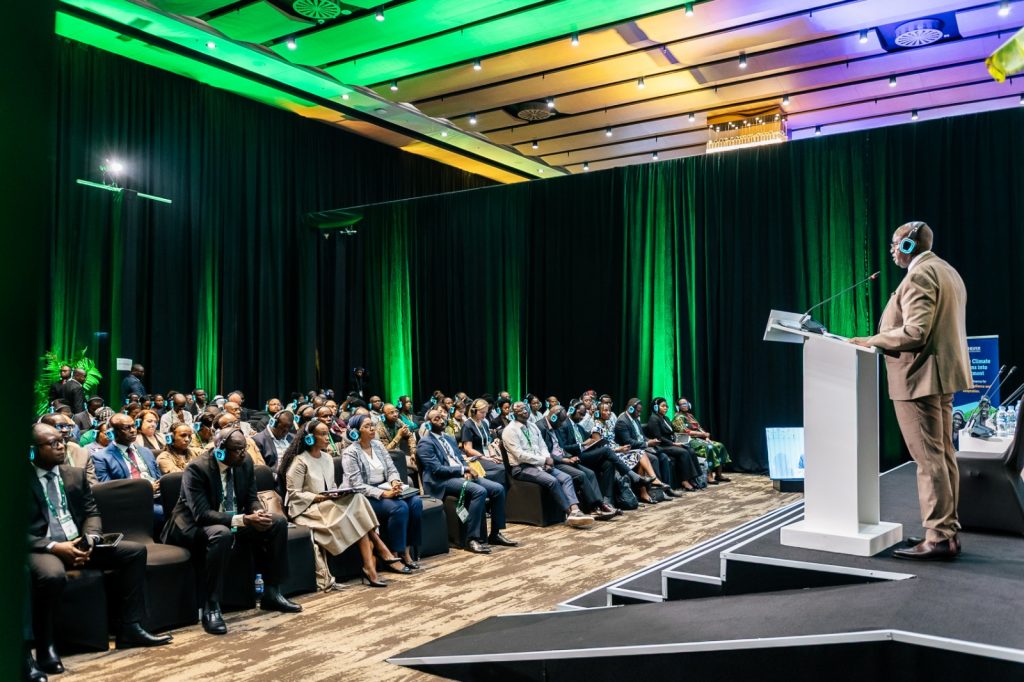
The approach is being showcased at the Climate Finance Nexus Forum at the Africa Food Systems Forum 2026 in Kigali, where Uganda, financial institutions, development organizations, technology providers and farmer cooperatives are exploring how climate solutions can be financed and scaled.
At the centre of the discussion is a simple business problem: milk is highly perishable, while many rural dairy enterprises struggle with reliable and affordable energy for cooling, storage and processing.
Uganda’s Minister of State for Animal Husbandry, Bright Rwamirama, said solving that problem could simultaneously address climate, productivity and investment challenges.
“Milk is highly perishable and without dependable energy for chilling, storage and processing, farmers and cooperatives lose value,” Rwamirama said.
Uganda has installed electricity generation capacity of about 2,098 megawatts, with renewable sources accounting for roughly 95 percent. But Rwamirama said the bigger challenge is ensuring that energy reaches productive businesses, particularly in rural areas.
This is where distributed renewable energy, especially solar power, could become an economic tool rather than simply an environmental intervention.
Solar-powered cooling can reduce reliance on expensive backup energy, preserve milk quality and lower operating costs. For cooperatives, the combination could strengthen profitability and make them more attractive to lenders.
“When renewable energy reduces costs, increases productivity and strengthens the profitability of the cooperative, it becomes not only a climate intervention but also a sound business investment,” he said.
The forum is highlighting a partnership model intended to make that investment possible.
Stanbic Bank Uganda and Heifer International Uganda are signing a bilateral memorandum of understanding to strengthen collaboration on climate finance and productive renewable energy solutions for agricultural enterprises.
The model combines several pieces often treated separately: development support to strengthen cooperatives, technical assessments, renewable-energy technology, commercial finance and access to reliable markets.
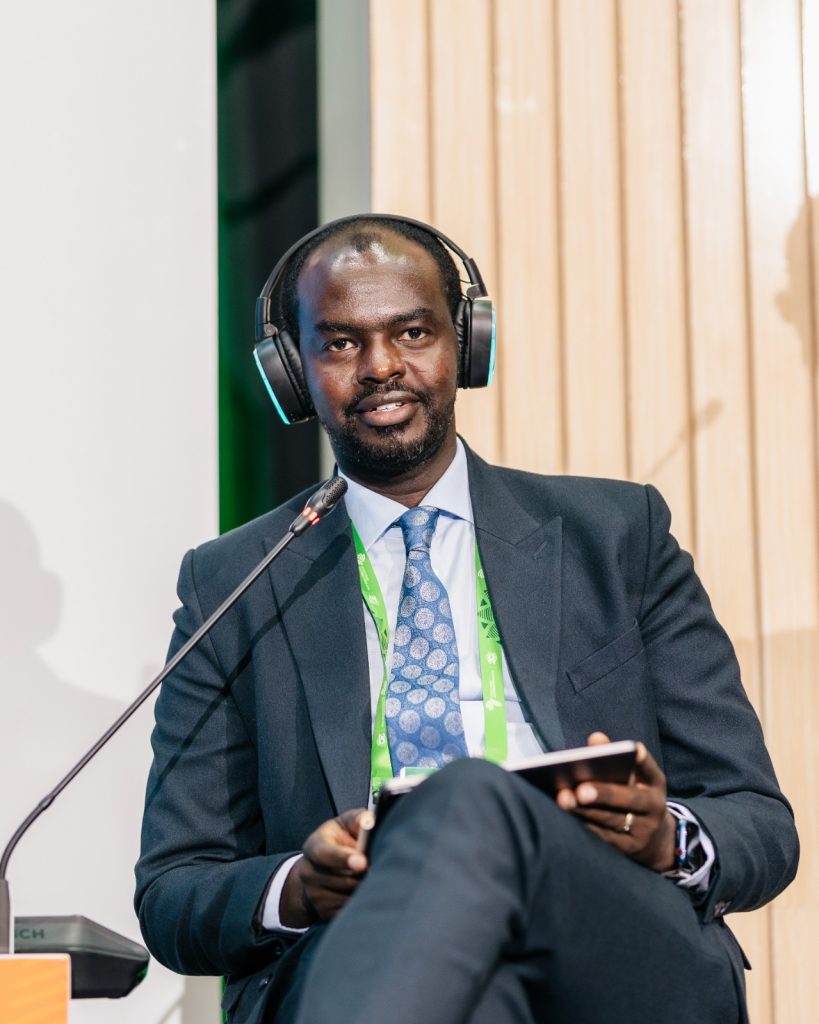
William Matovu, Country Director of Heifer International Uganda, is among the speakers at the forum, while Brian Tahinduka, Stanbic Bank’s Head of Energy, Infrastructure, Mining and Commercial Business for Africa, represents the financial sector.
Heifer has been helping cooperatives improve governance, business planning and technical capacity so they can become investment-ready and access commercial financing.
The opportunity is significant. Uganda has about 16.4 million cattle, produces approximately 5.4 billion litres of milk annually and has 162 small and medium-sized milk-processing plants, alongside more than 1,000 milk collection centres.
For Rwamirama, the next step is to turn these assets into a scalable investment proposition.
“Our task is to connect these opportunities and move from individual successful interventions to financing models that can be replicated and scaled,” he said.
The test for the model is therefore bigger than installing solar equipment. It is whether climate finance can help build stronger agricultural businesses while delivering returns to farmers, lenders and investors.
“If we can answer that question together, we will not only finance climate solutions, we will finance productivity, stronger agricultural businesses and Uganda’s economic transformation,” Rwamirama said.