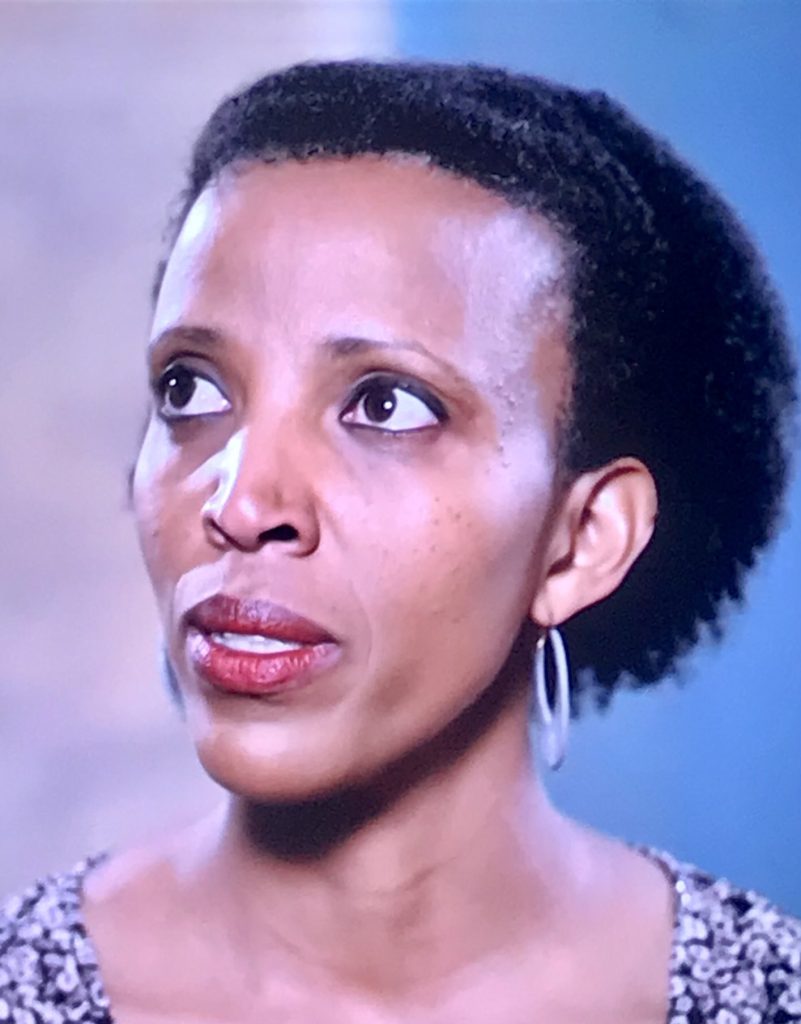
PARIS – Thirty-two years after surviving the Genocide against the Tutsi and arriving in France as a severely wounded teenager, Jeanne Uwimbabazi returned to Paris on Tuesday not simply to remember the past, but to confront questions that remain unresolved.
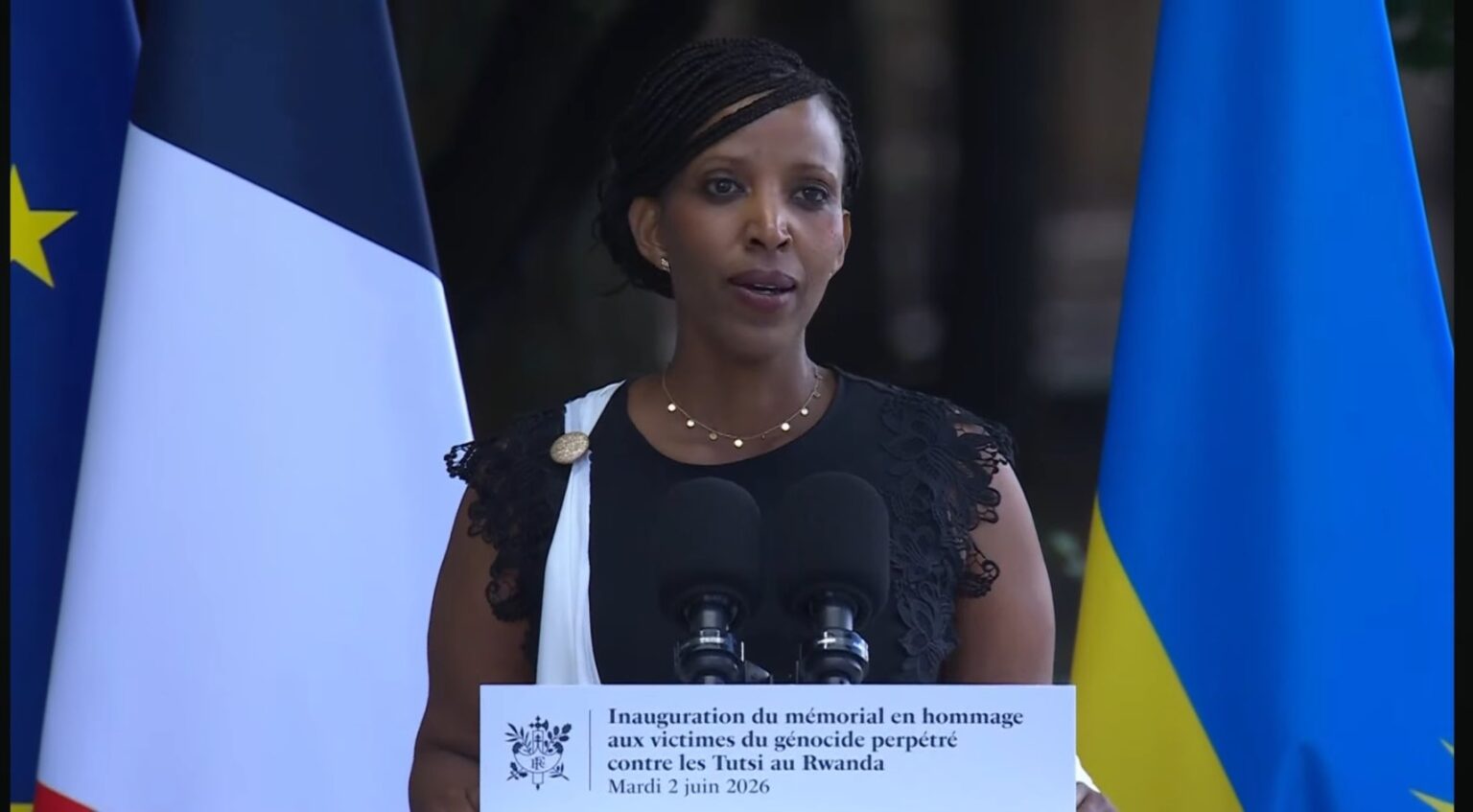
Standing before France’s first permanent memorial dedicated to the victims of the 1994 Genocide against the Tutsi, Uwimbabazi delivered a testimony that transformed an inauguration ceremony into a powerful reflection on responsibility, memory and justice.
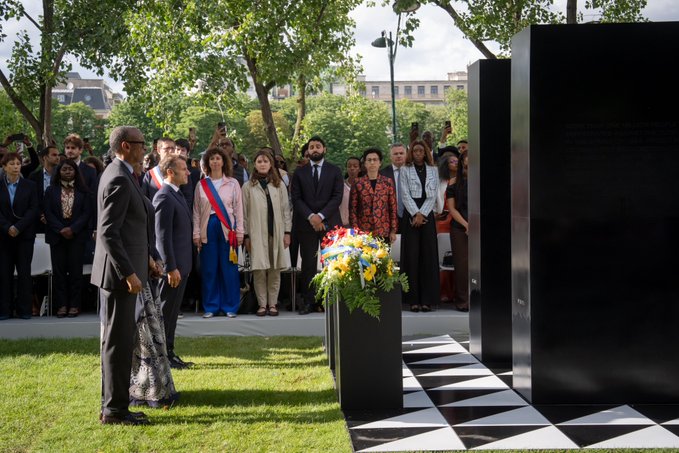
As Presidents Paul Kagame and Emmanuel Macron joined survivors, diplomats and members of the Rwandan community to unveil the monument known as “L’Archive” along the banks of the River Seine, it was the voice of one survivor that brought the human weight of history into sharp focus.
“Thirty-two years later, I still have questions that remain unanswered,” Uwimbabazi told the audience.
Those questions stem from events that unfolded in April 1994, when thousands of Tutsi civilians sought refuge at the Ecole Technique Officielle (ETO) in Kigali under the protection of United Nations peacekeepers.
Uwimbabazi was among them.
Like many others, she believed the presence of international forces offered safety as the genocide spread across the country. Instead, she watched as foreign nationals were evacuated and peacekeepers withdrew, leaving nearly 2,000 frightened civilians behind.
“They abandoned us. Their presence alone would have been enough to protect us,” she said. The remark was not simply a recollection of one traumatic day. It was an appeal to history itself.
Who made those decisions? Why were they made? And why, decades later, do many survivors still feel that accountability for those moments remains incomplete?
The weight of survival
Uwimbabazi’s story began long before she stood at the podium in Paris.
She was 16 years old when the genocide started. Her family had been preparing for the baptism of her 11-month-old niece, Ornella, during the Easter holidays. Within hours of the plane crash that killed President Juvénal Habyarimana on April 6, their world began to collapse.
Her father was murdered outside their home. Family members scattered in search of safety. Friends, neighbours and relatives disappeared. What followed was a journey through some of the darkest moments of the genocide.
After the withdrawal from ETO, many of those sheltering there were taken to Nyanza in Kicukiro, where massacres unfolded. Uwimbabazi survived but suffered severe machete wounds while hiding with other survivors.
Lying injured and believing death was inevitable, she was eventually discovered by soldiers of the Rwanda Patriotic Front (RPF). “In the midst of darkness, they represented humanity,” she recalled.
For the first time publicly, she used the ceremony to express gratitude to Kagame and the soldiers who stopped the genocide. “We owe you our lives,” she said.
Her testimony served as a reminder that while statistics often dominate discussions of the genocide, every number represents an interrupted life, a shattered family and a personal story of survival.
Beyond recognition
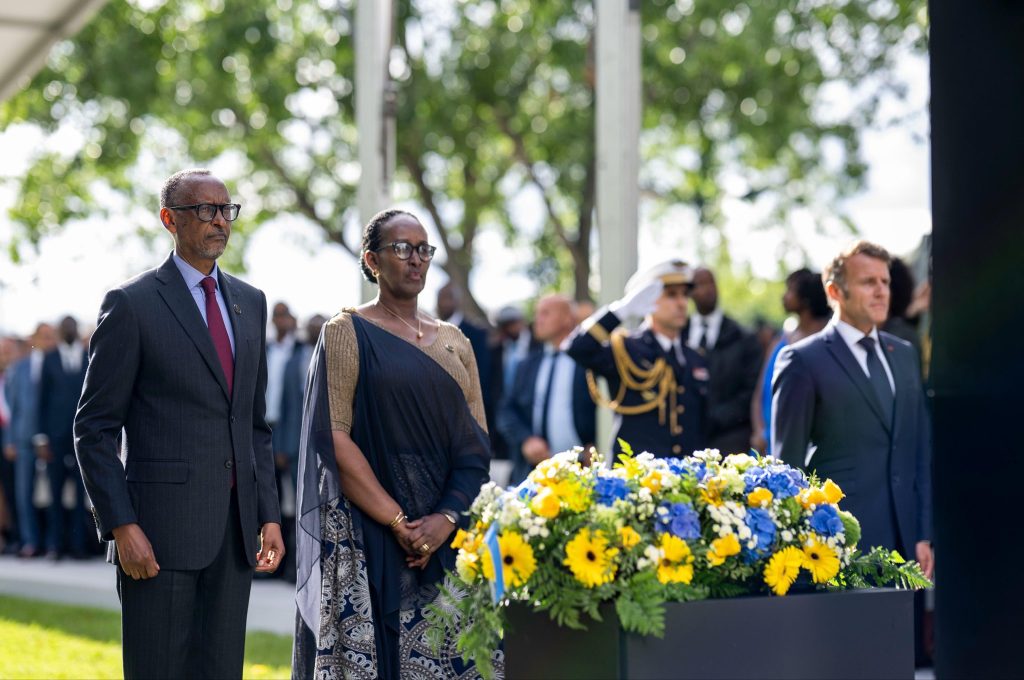
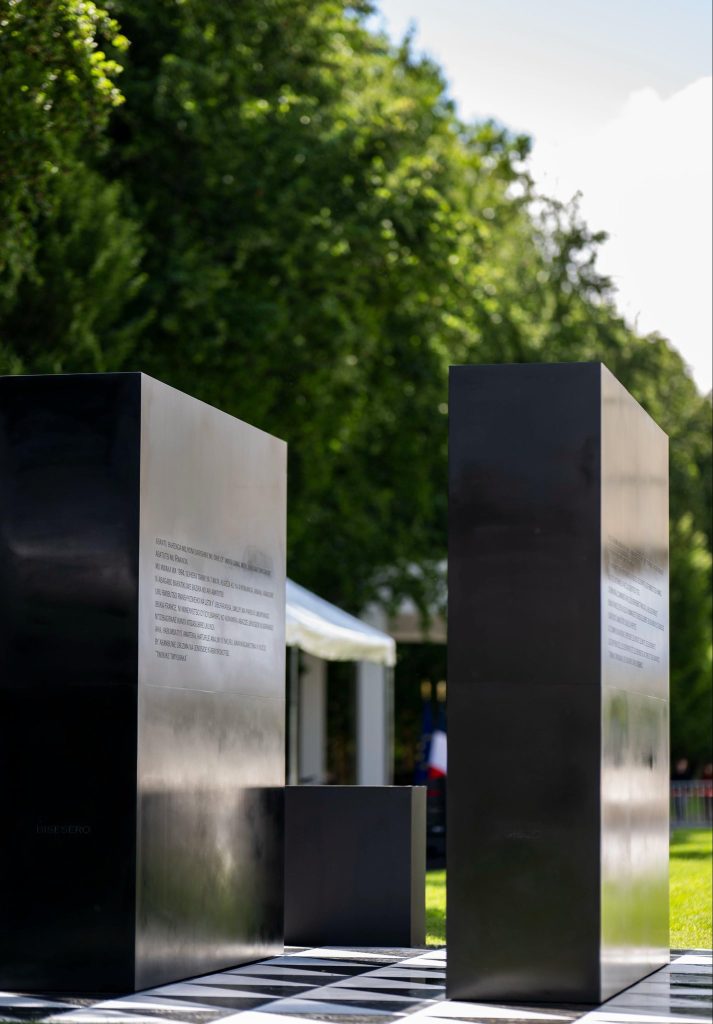
The unveiling of the memorial marked another chapter in the evolving relationship between Rwanda and France. The monument itself, designed by artist Grada Kilomba, stands as a permanent tribute to the more than one million victims of the Genocide against the Tutsi.
Inscribed in French, English, Kinyarwanda and Swahili, it places the memory of the genocide at the heart of the French capital.
The ceremony featured memorial songs performed by children, poetry readings and a youth-led theatrical performance centre on humanity and reconciliation. Kagame spoke first, praising France’s efforts to confront historical truth, before Macron reaffirmed his country’s commitment to remembrance and accountability.
But for Uwimbabazi, memory alone is not enough. Her testimony repeatedly returned to the question of justice.
Since 2014, France has accelerated efforts to prosecute genocide suspects living on its territory. Other investigations and legal proceedings remain ongoing.
Several landmark convictions have followed, including that of former gendarme Philippe Hategekimana, who received a life sentence for genocide and crimes against humanity.
Macron used the occasion to reiterate France’s position. “No crime against humanity can benefit from limitation periods or impunity. Justice will be done,” he said.
Yet Uwimbabazi suggested that justice is about more than court verdicts. “Justice is also a space where facts, perpetrators and victims confront one another,” she said.
Her appeal reflected a broader sentiment among survivors who believe that accountability must remain connected to those who endured the crimes and continue to carry their consequences.
A memorial and a message
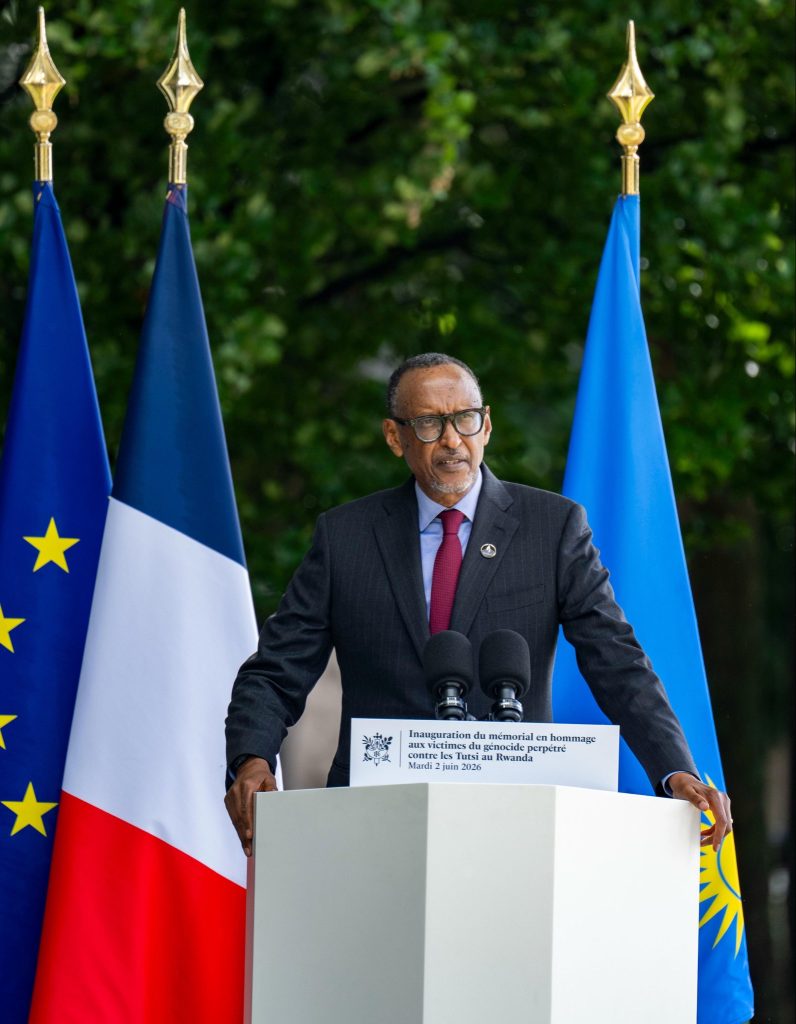
The memorial unveiled in Paris stands as a symbol of remembrance, but Tuesday’s ceremony demonstrated that remembrance is not a passive act. It demands questions. It demands truth. It demands accountability.
For survivors like Uwimbabazi, the passage of time has not diminished the need for answers. If anything, it has reinforced the importance of preserving memory and ensuring that future generations understand both what happened and why it happened.
The monument stands silently against the Paris skyline. Yet the most enduring messages come not from stone or symbolism, but from a survivor whose life was forever altered by genocide.
Thirty-two years after arriving in France wounded and displaced, Jeanne Uwimbabazi returned not only to remember the past, but to remind the world that history’s unfinished questions still deserve answers.