KIGALI – Africa has spent decades producing athletes who fill the biggest stadiums and compete on the world’s most prominent sporting stages, but much of the money generated around their talent continues to be captured elsewhere.
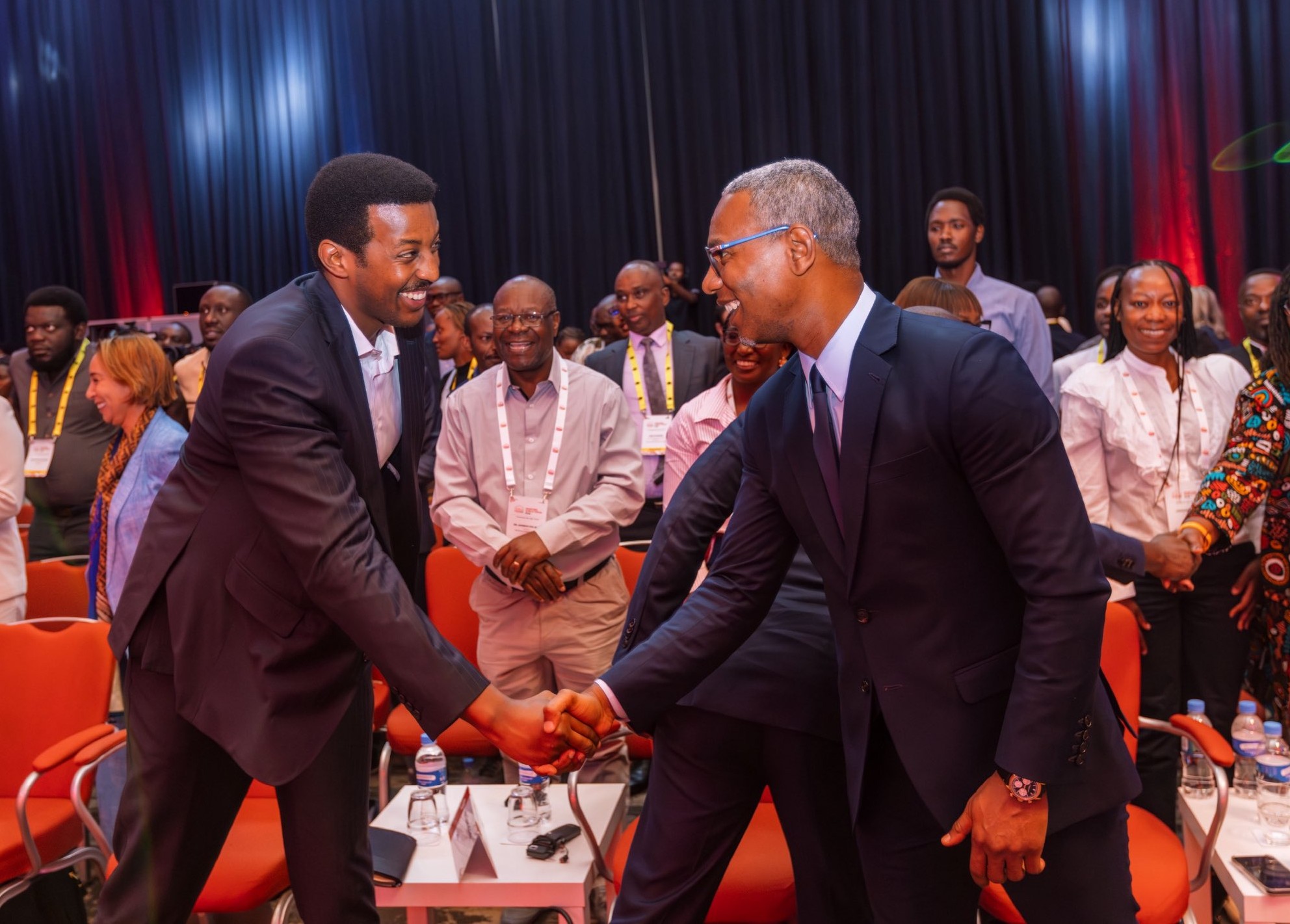
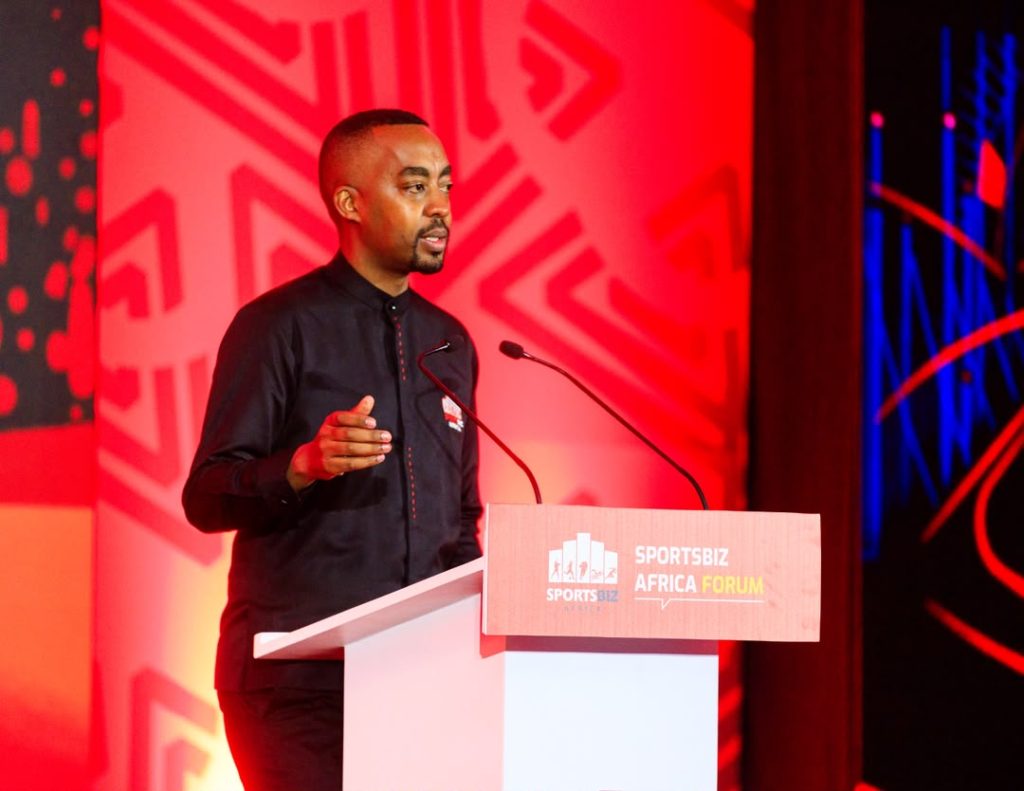
That imbalance highlighted discussions at the SportsBiz Africa Forum in Kigali, where policymakers, investors, sports administrators, athletes and business leaders are pushing for a different model.
The new approach is one in which Africa does not simply supply talent to the global sports industry, but builds and owns more of the businesses, technology, data, infrastructure and commercial rights around it.
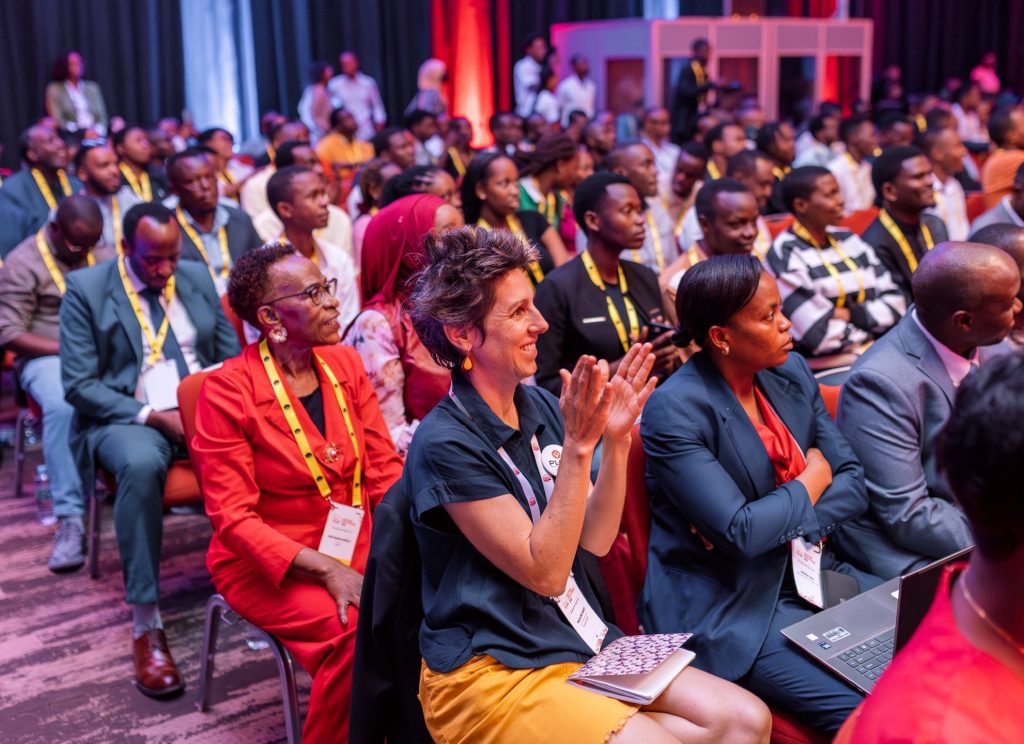
The third edition of the Forum has brought together players from across the sports ecosystem to examine how investment, innovation, governance and cross-sector partnerships can turn Africa’s enormous sporting potential into an economic asset.
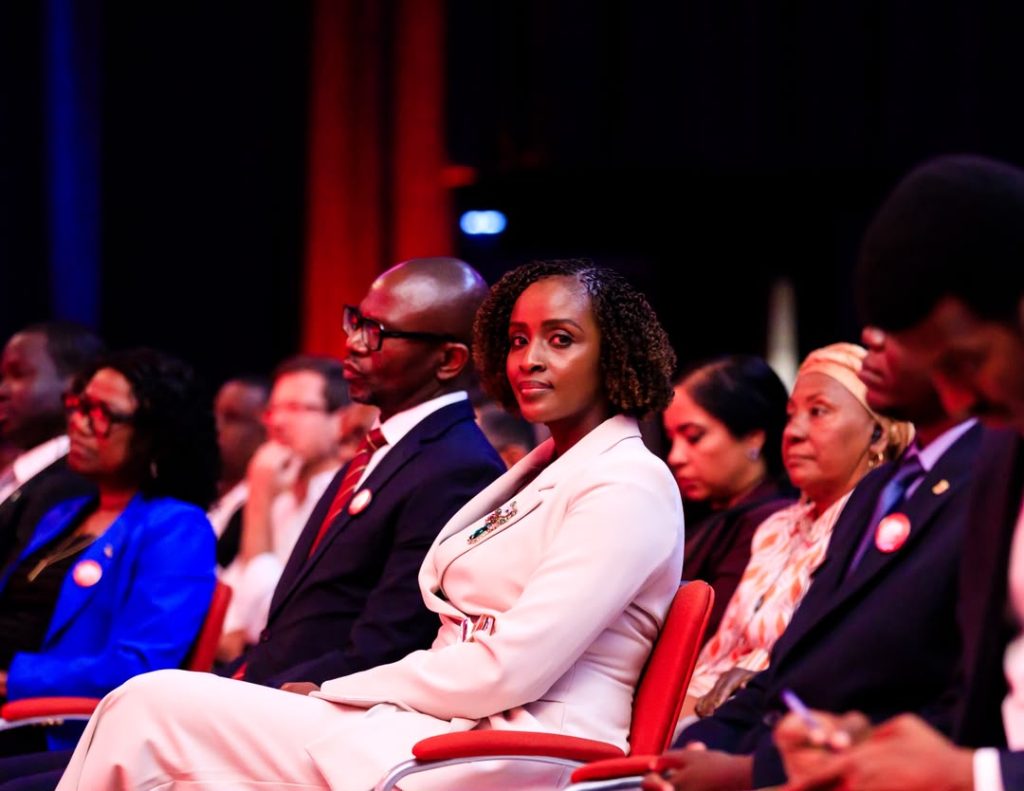
The scale of the opportunity is difficult to ignore. Rwanda’s Minister of Sports, Nelly Mukazayire, told the gathering that the global sports industry is worth between $2.3 trillion and $2.65 trillion, while Africa’s share remains around 0.5 percent.
“We have talent, we have potential, we have been manufacturing all those talents that are making sports industry flourishing and creating values elsewhere,” Mukazayire said, challenging African policymakers and industry leaders to examine what countries doing better are doing differently.
The business around the athlete
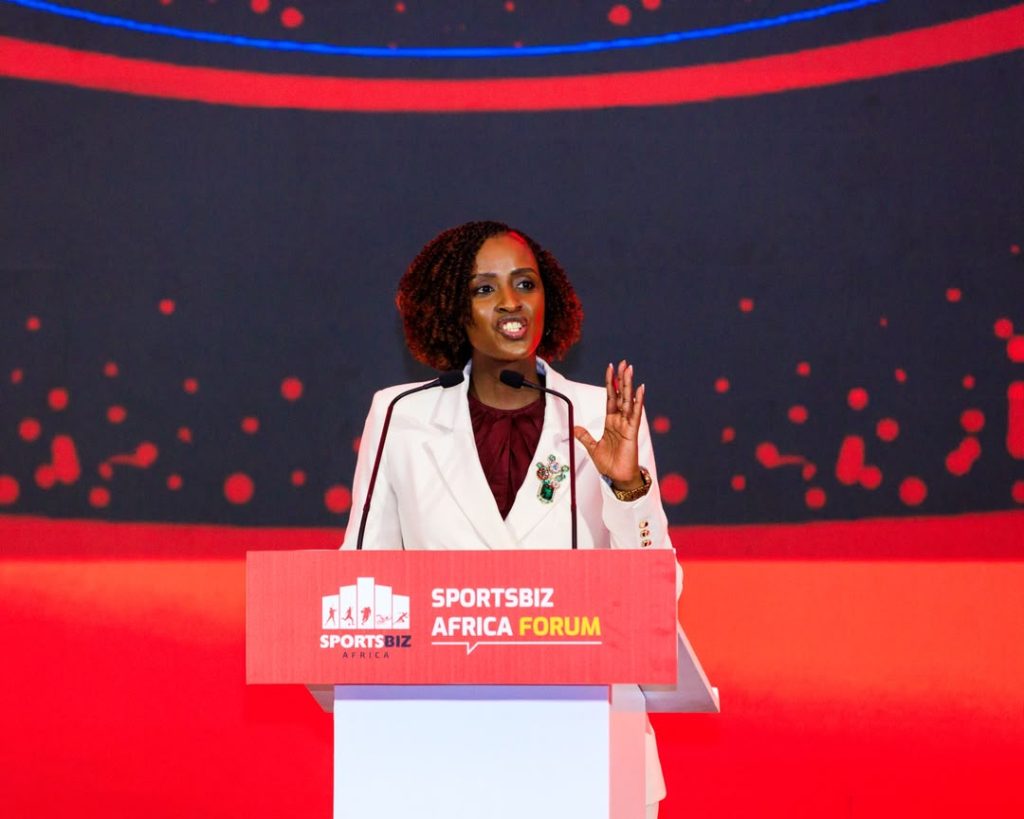
Mukazayire identified data, people and the commercial side of sport as areas where the continent has room to build greater value, arguing that African countries need to generate and control more of the information used to understand their athletes, fans and sporting markets.
That includes developing science and technology suited to African athletes rather than simply importing systems developed for other environments.
She also pointed to the lack of sufficient data around women in sport as an area where the continent has an opportunity to build knowledge that could shape better athlete development. But the investment cannot stop at sporting ability.
Mukazayire argued that athletes need to be understood beyond their talent, including their health, mental wellbeing, nutrition, sleep, recovery and the environment in which they train.
At the same time, fans must be treated not simply as spectators seeking entertainment, but as part of a commercial ecosystem capable of supporting jobs and businesses across entertainment, fashion, food and other creative industries.
In terms of infrastructure, a football pitch, basketball arena or volleyball court should no longer be viewed only as a place where athletes compete. Surrounding such facilities with restaurants, hotels, retail and other services can turn sports infrastructure into a wider economic hub.
From African talent to African ownership
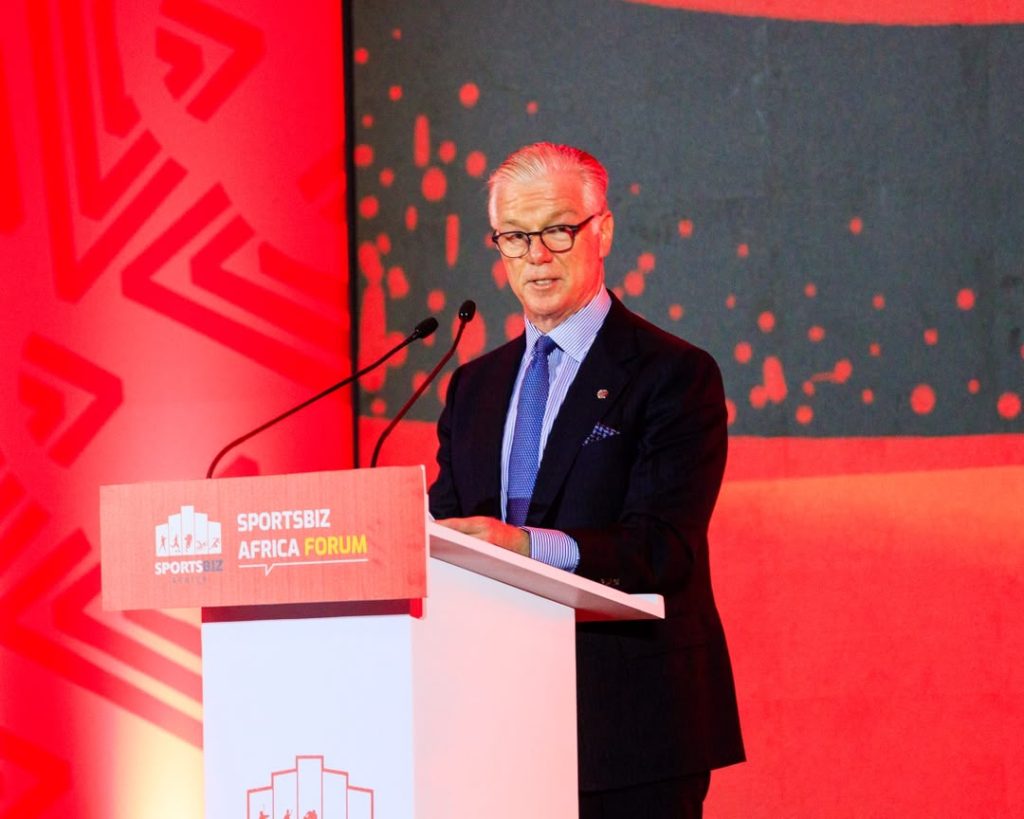
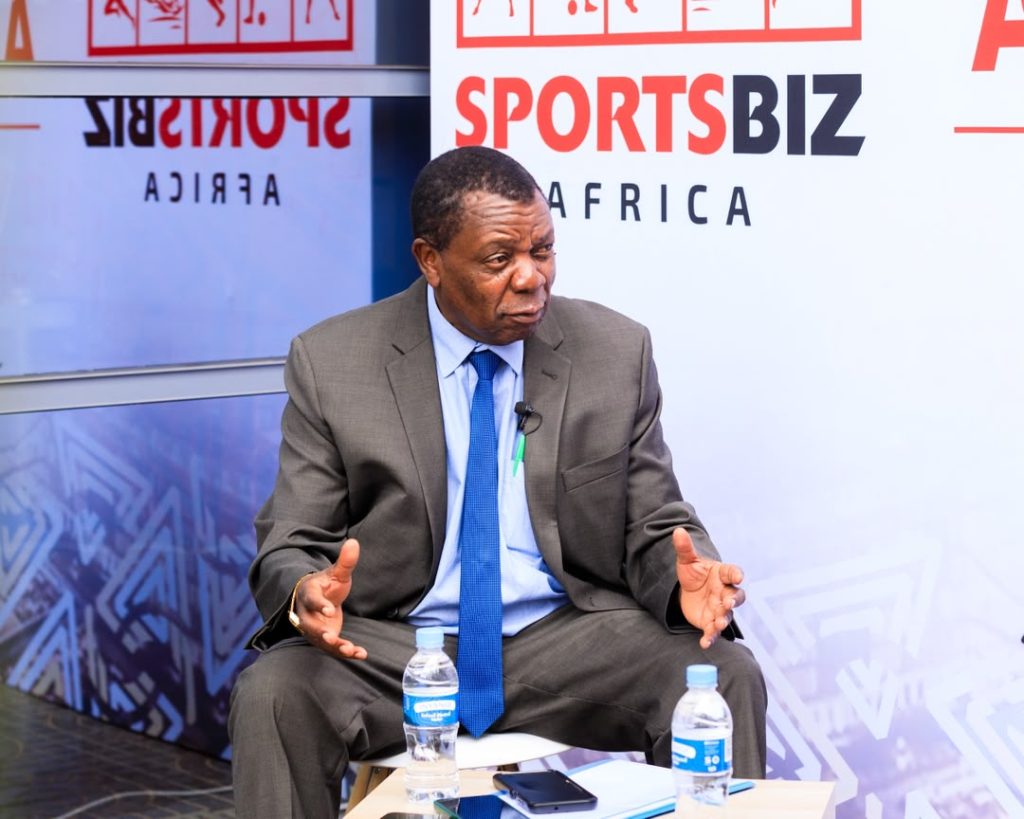
Sir Paul J. Foster, President and CEO of the Global Esports Federation, brought a digital dimension to that argument, warning against an approach that sees Africa mainly as a market for global sports products.
“Connectivity is infrastructure, and infrastructure creates economic opportunity. Africa’s young population, creativity and growing digital connectivity should be used to connect African talent and businesses to global markets,” Foster said.
His vision is of an ecosystem in which the player can become a developer, the fan can become a creator, the student can become an entrepreneur and a company built in Africa can eventually sell its products to the world.
The opportunity is particularly visible in gaming and esports. Foster said about four billion people play games globally and described the industry as worth about $600 billion and growing by more than 11 percent annually.
For Africa, the question is whether its participation in such industries will remain largely as consumers and competitors, or whether African entrepreneurs will build companies, intellectual property and platforms that capture a share of the value.
Turning sport into jobs, businesses and legacy
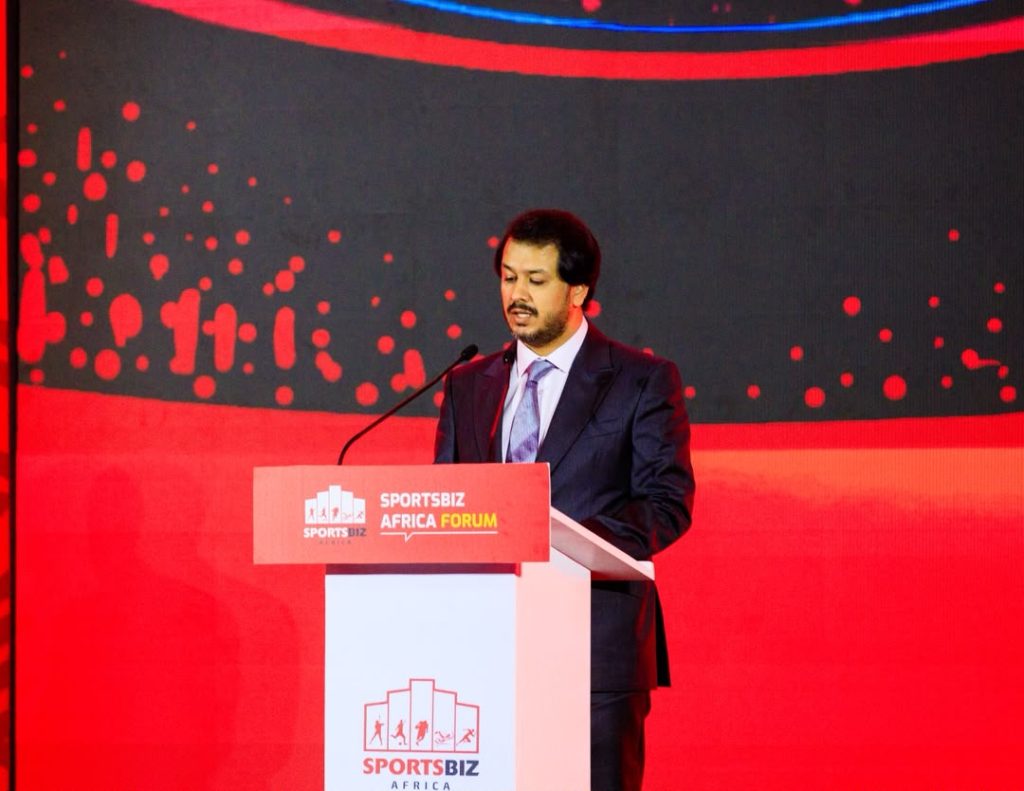
An African Union Sports Council message delivered at the Forum by Dr Decius Hikabwa Chipande reinforced the argument that sport should be connected much more deliberately to economic development.
“Stronger partnerships between governments, the private sector, sports organizations, development partners and communities could unlock opportunities across the sports value chain, from athletes and coaches to administrators, entrepreneurs, innovators and sports-related enterprises,” Chipande said.
The message also placed sport within the continent’s wider youth agenda, linking it to skills development, employment, social inclusion and the opportunities presented by the African Continental Free Trade Area.
That perspective was echoed in an International Olympic Committee message read by IOC member Félicité Rwemarika, which argued that Africa needs strong organizations, good governance, investment, education and skills if its sporting potential is to translate into lasting opportunity.
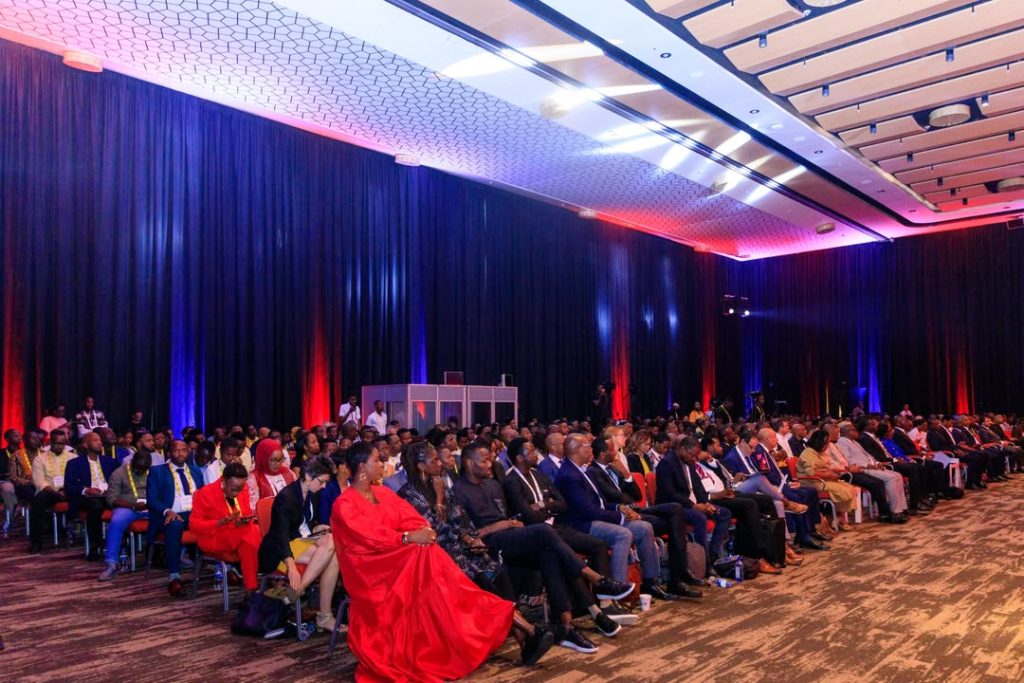
Since 2022, IOC-backed initiatives have supported more than 640,000 young people across Africa through sport. The example of the Dakar 2026 Youth Olympic Games was offered as evidence of what that broader legacy can look like.
Beyond hosting competitions, young Africans are being trained in event planning, operations and other specialist areas, building skills that can remain useful long after the games have ended.
That is the larger proposition taking shape in Kigali where Africa’s sports economy will not be transformed simply by building more stadiums or producing more champions.
It will require African ownership of the businesses, knowledge, technology, skills and commercial opportunities that surround sport.
And that is why the SportsBiz Africa Forum is also seeking to evolve from an annual meeting into a year-round platform connecting investors with ventures, businesses with opportunities and talent with markets.
The ambition is no longer simply to ask how Africa can compete in sport. It is to ensure that when Africa wins on the field, it also wins a meaningful share of the business built around it.