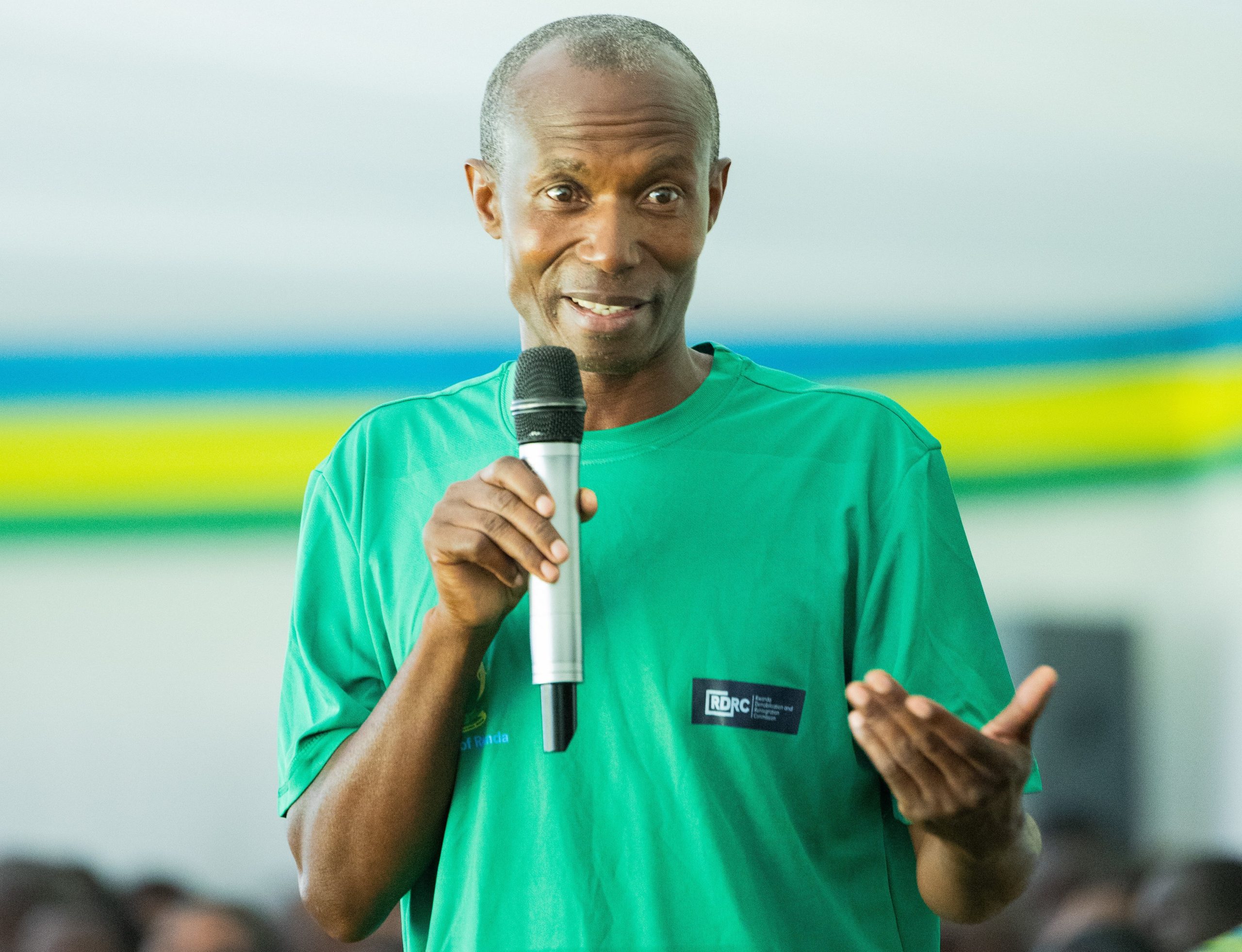
KIGALI – The FDLR has survived over three decades of military pressure, losing commanders, fighters and territory along the way. Yet the group has never completely disappeared from the eastern Democratic Republic of Congo (DRC).
Born from the aftermath of the 1994 Genocide against the Tutsi in Rwanda, its conventional military strength has declined sharply, but its continued presence raises a harder question than whether it has been defeated.
How does an armed movement repeatedly pushed to the brink manage to survive this long? Some former senior FDLR commanders who spent years inside the organization say the answer lies in its ability to adapt.
They describe a movement that learned to replace fixed military positions with mobility, use Congo’s forests as protection, draw income from mining and taxation, and preserve its political and ideological structures even after battlefield defeats.
When Defeat Became a Survival Strategy
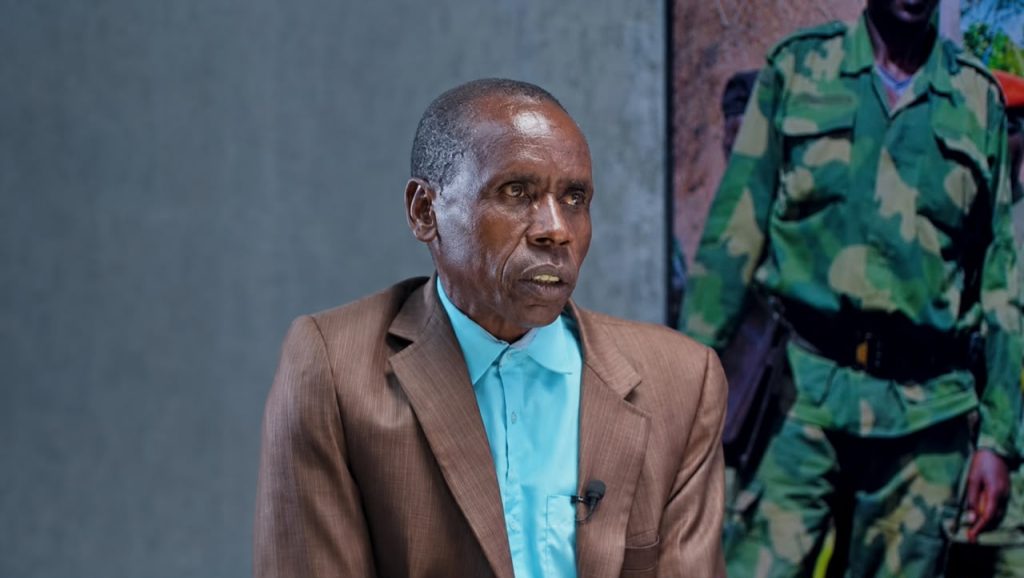
Pastuer Jean Damascene Niyonzima, a former intelligence chief says the transformation began after the collapse of the refugee camps in 1996.
Former Rwandan Armed Forces (FAR) officers and politicians initially regrouped under the Rassemblement pour le Retour des Réfugiés Rwandais (RDR), which later combined with its armed wing, Armée de Libération du Rwanda (ALIR) to become the FDLR.
According to Niyonzima, repeated military failures forced the movement to change.
“We realized that the strategy we had started with was no longer working. The attacks were failing and the situation was changing, so we had to reorganize the movement and find another way of operating,” Niyonzima says.
Instead of concentrating fighters in permanent positions, the organization increasingly dispersed through the forests of eastern DRC, including areas around Virunga National Park, Masisi, Walikale and Rutshuru.
He also describes religion as a way of maintaining morale after military failures. He says a Congolese prophetess known as Thacien assured fighters that victory had been promised by God after failed operations into Rwanda.
Eventually, he says, commanders presented military plans to prophets before operations, allowing fighters to believe their missions had received divine approval.
“The important thing was that the fighters believed the operation had received God’s approval. That belief helped the commanders maintain morale even after repeated military failures,” he recalls.
Beneath The Forest Is an Economy
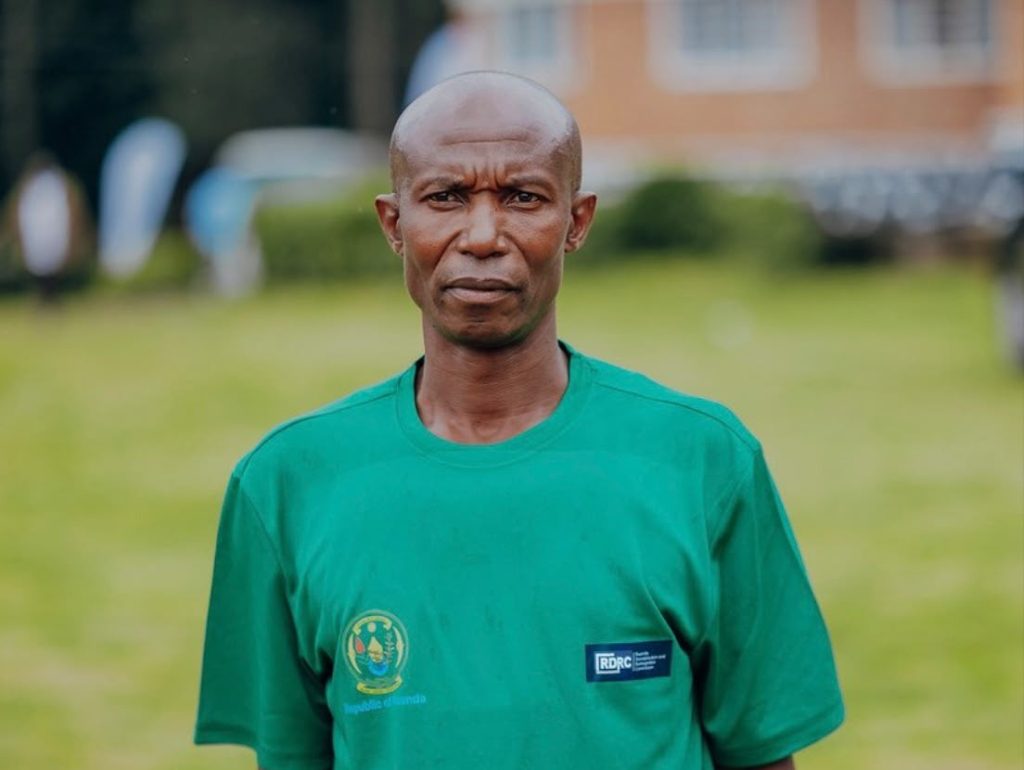
Retired Lt. Col. Emilien Mpakaniye, a former rebel commander known inside the movement as Che Guevara Jacob, says the terrain is central to that survival. Mining is one of the major sources of income.
“After spending so many years in Congo, the fighters know the forests and the routes very well. The country is extremely large, and that makes it difficult for military operations to simply go in, find everyone and remove them.”
During his days there, he claims, the FDLR controlled or influenced more than 100 mining sites stretching from areas around Lake Tanganyika toward the Ugandan border, including Misisi, Mwenga, Kamituga, Rubimba and Salamabila.
The organization collected money at several points in the mining economy, from miners and traders to businesses operating around the sites.
“The mining areas gave the organization several ways of raising money. Miners paid to operate, traders came to buy minerals and businesses depended on the mining activity. All of these activities created revenue for the movement,” Mpakaniye said.
Minerals, he says, moved through commercial centres including Goma and Bukavu.
FDLR’s networks also extended outside Congo, with support committees in Europe, North America and parts of Africa collecting contributions and transferring resources through intermediaries.
Mpakaniye says that relationships with some Congolese political and military actors create opportunities for the movement to survive, including cases where former FDLR members are recruited into the Congolese armed forces.
The Rebels Who Are Difficult to See
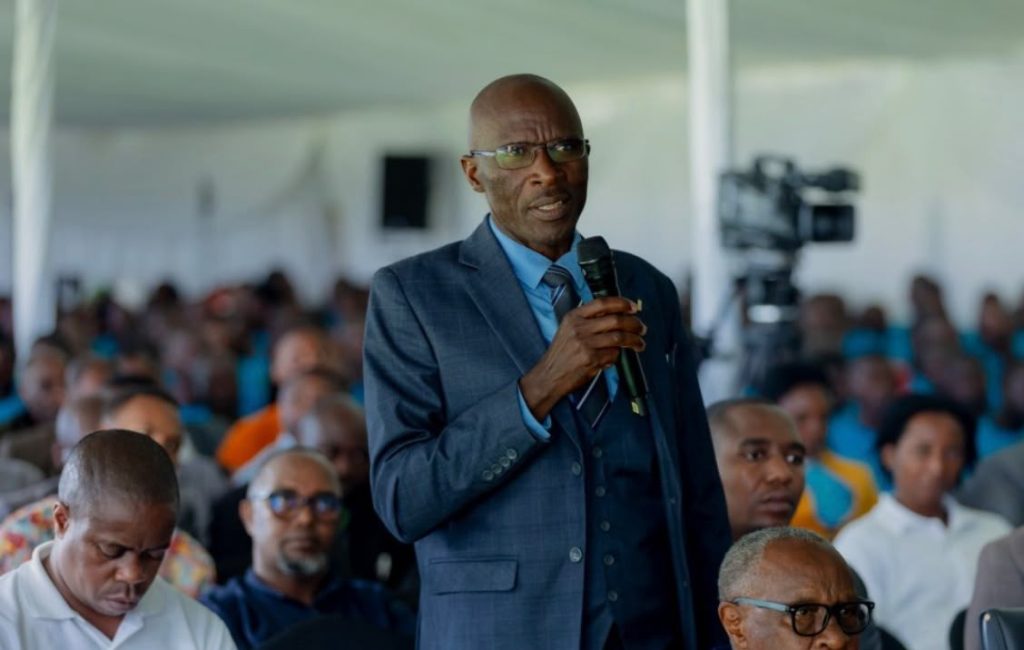
Retired Col. Gad Augustin Nshimiyimana, known inside the movement as Johari Bora Manasseh, says the FDLR’s reduced visibility is precisely what can make it difficult to assess.
“The FDLR exists physically and mentally because it has both a military wing and a political wing. People say it no longer exists because they don’t see the rebels, but they are used to moving at night and operating in places where ordinary people cannot easily see them,” he says.
Nshimiyimana joined the rebellion in January 1997 and remained involved for nearly three decades before returning to Rwanda, where he now lives with his six children.
He does not claim that the FDLR has won its war, and despite losing commanders, territory and much of its military strength, the group’s defeats does not necessarily mean that it has disappeared.
“People often think that if they cannot see a military camp or a large group of fighters, then the organization has disappeared. But a group can lose territory and still maintain people, ideas and connections. That is why you cannot simply conclude that it is gone because it is no longer visible in the same way,” he says.
The accounts of the three former commanders provide a rare insider perspective on how the FDLR remains a movement whose most important adaptation is learn how to survive after losing the battlefield.
