KIGALI – As global fuel prices fluctuate and health threats continue to emerge across the region, the Government of Rwanda says it is strengthening measures to protect citizens from the impact of external shocks while maintaining the country’s economic momentum.
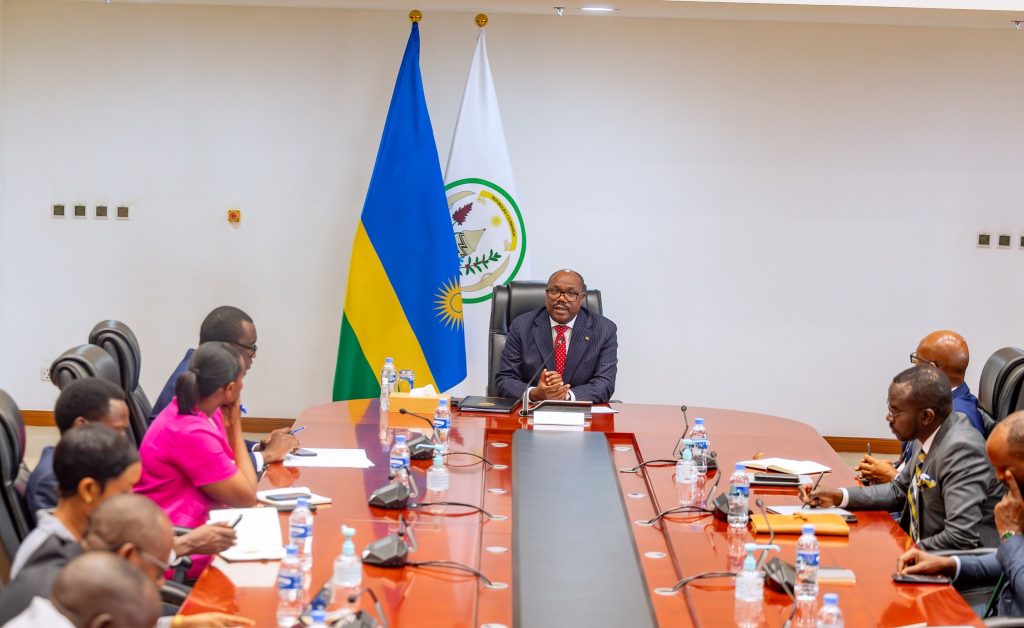
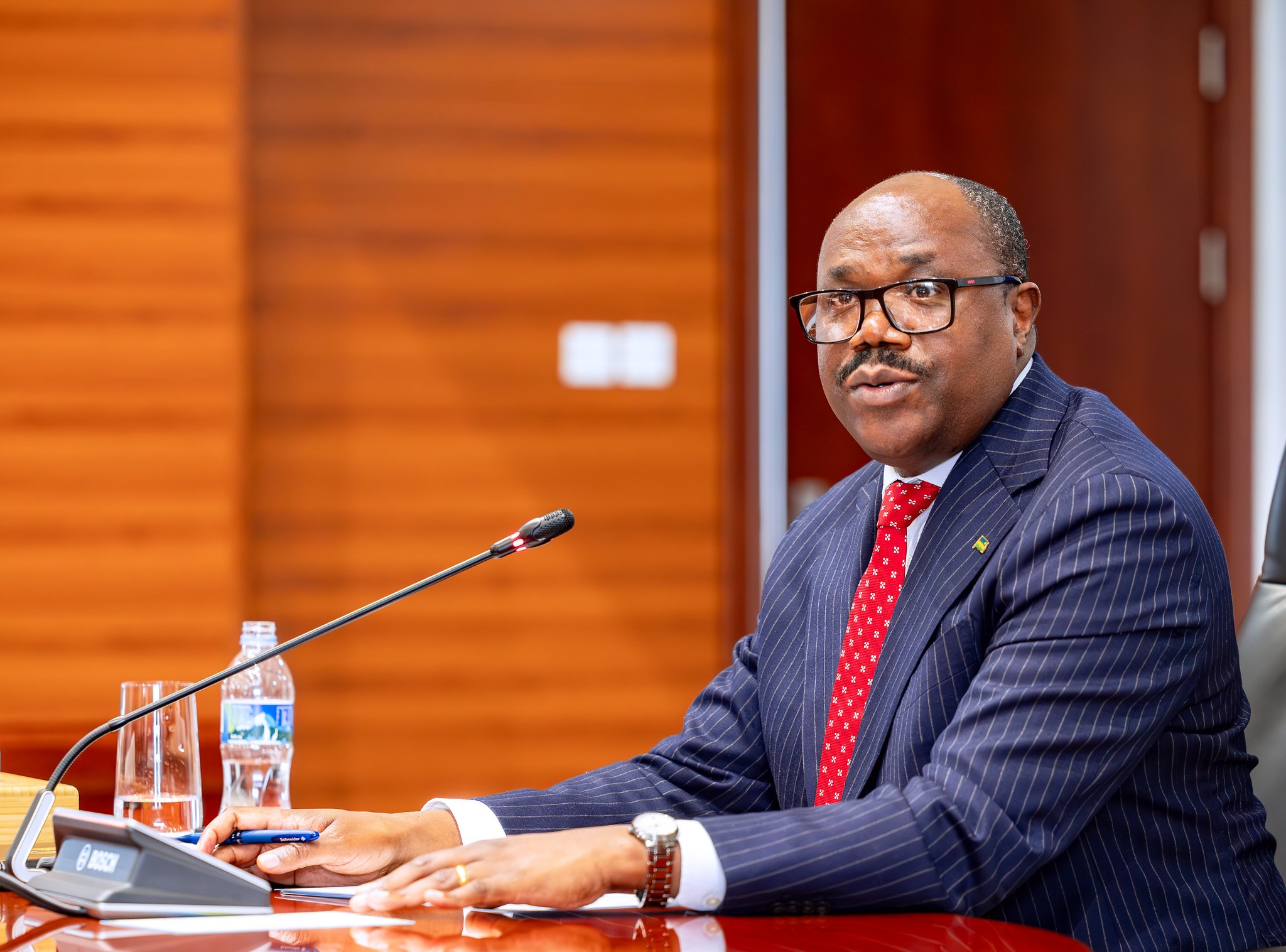
Speaking during a press briefing on Saturday, Prime Minister Dr. Justin Nsengiyumva said government remains focused on ensuring that international developments do not undermine the welfare of citizens or disrupt economic progress.
From subsidizing public transport fares to reinforcing disease surveillance systems, the government says its priority is to safeguard both livelihoods and public health in an increasingly uncertain global environment.
Keeping transport affordable
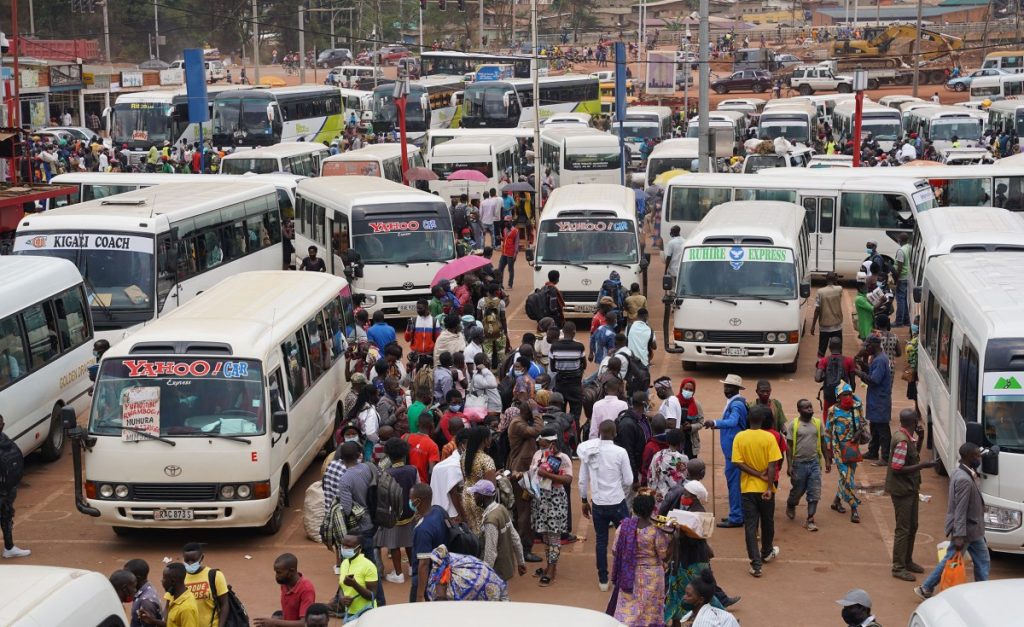
One of the key interventions highlighted by the Prime Minister is Nkunganire, a public transport subsidy program designed to shield commuters from rising fuel costs.
Global fuel markets have remained volatile in recent months, increasing operational costs for transport operators and putting pressure on transport fares. Rather than allowing citizens to absorb the full impact, government continues to cover part of the cost through the subsidy scheme.
“We have introduced Nkunganire as a practical intervention to support passengers using public transport and reduce the pressure that rising fuel prices would otherwise place directly on citizens,” Nsengiyumva said.
To demonstrate the scale of the support, he cited the Kigali–Musanze route, where a journey would currently cost about Rwf4,281 if fares fully reflected prevailing fuel prices. However, passengers continue to pay approximately Rwf3,821, with government covering the difference.
The Prime Minister said the subsidy complements ongoing efforts to expand public transport services through additional buses and routes, giving citizens affordable alternatives as fuel prices continue to fluctuate.
Government data shows that public transport usage has increased by 15 percent, suggesting that more people are benefiting from the improved accessibility and affordability of the system.
Growth with protection
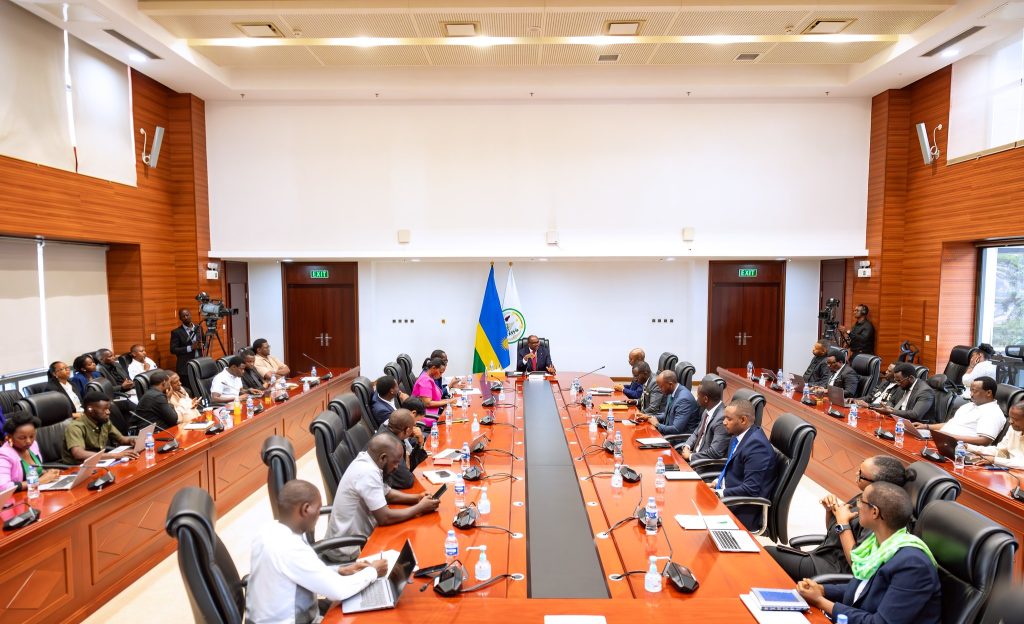
The transport subsidy comes at a time when Rwanda’s economy continues to post strong growth despite global economic headwinds.
According to the Prime Minister, the economy expanded by 6.8 percent this year, supported by continued investment, growth in the services sector and industrial development.
While welcoming the positive performance, Nsengiyumva stressed that economic growth must translate into tangible benefits for citizens, particularly at a time when many countries are grappling with rising costs linked to international market disruptions.
“Economic growth should translate into tangible benefits for the population. That is why we continue to examine interventions that help households manage the effects of global developments while preserving economic activity,” he said.
The government’s approach, he noted, is to combine economic growth with targeted measures that protect households from pressures beyond their control.
Staying ahead of Ebola
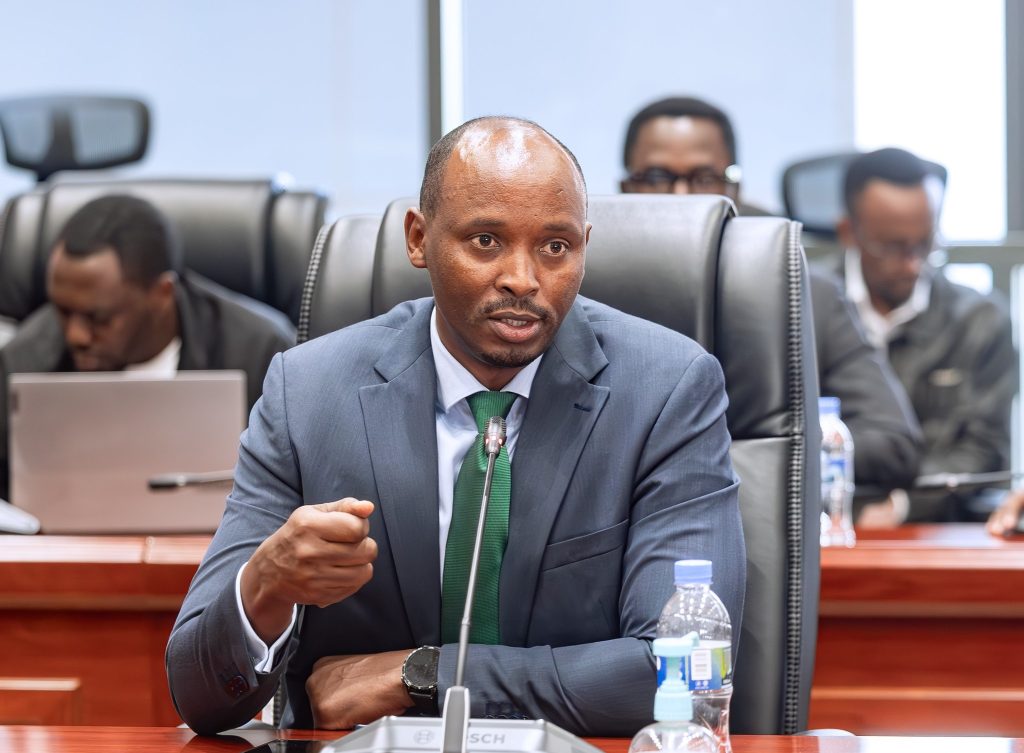
Beyond economic concerns, officials also addressed Rwanda’s preparedness against Ebola, which continues to be reported in parts of eastern Africa.
The Prime Minister said Rwanda has strengthened prevention and surveillance measures while ensuring that normal social and economic activities continue uninterrupted.
“The Ebola outbreak continues to be reported in the eastern region of Africa. However, Rwanda has strengthened its prevention measures and monitoring systems, and we are confident in protecting the lives of our citizens,” he said.
Minister of Health Dr. Sabin Nsanzimana said Rwanda’s preparedness strategy is built on public awareness, surveillance, testing capacity, response readiness and trained personnel.
“The goal is prevention. We do not want to be in a situation where we are reacting after the fact,” he said.
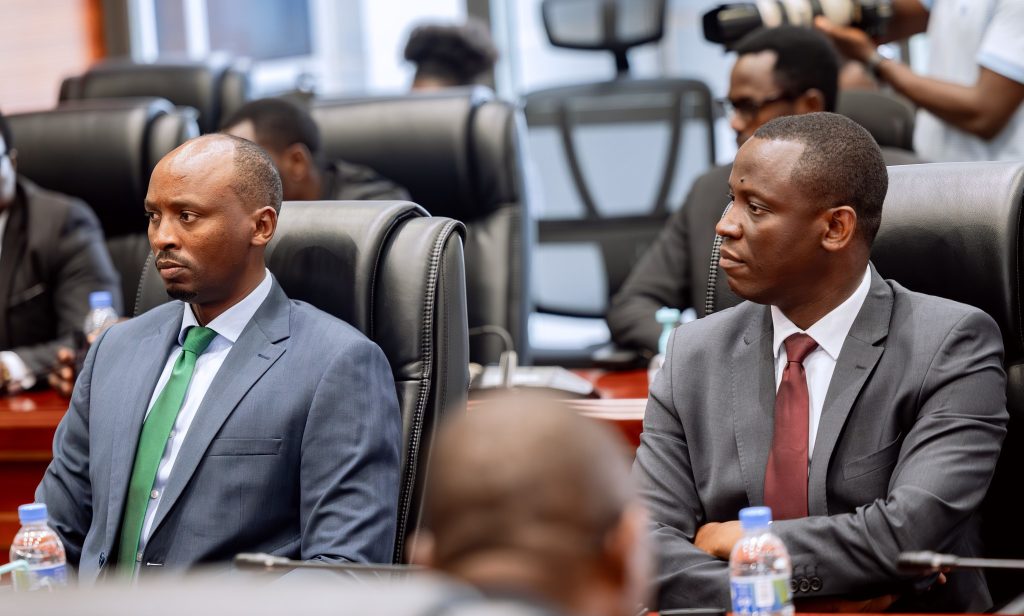
He noted that surveillance systems are continuously monitoring developments in neighboring countries and that Rwanda has the capacity to rapidly test suspected cases, with results available within hours when necessary.
Nsanzimana added that regular simulation exercises and training programs are conducted to ensure health workers and emergency response teams remain ready to respond to any potential outbreak.
Whether through transport subsidies that cushion families from rising costs or health systems designed to prevent disease outbreaks, officials say the goal remains ensuring that citizens remain secure while the country continues its development journey.