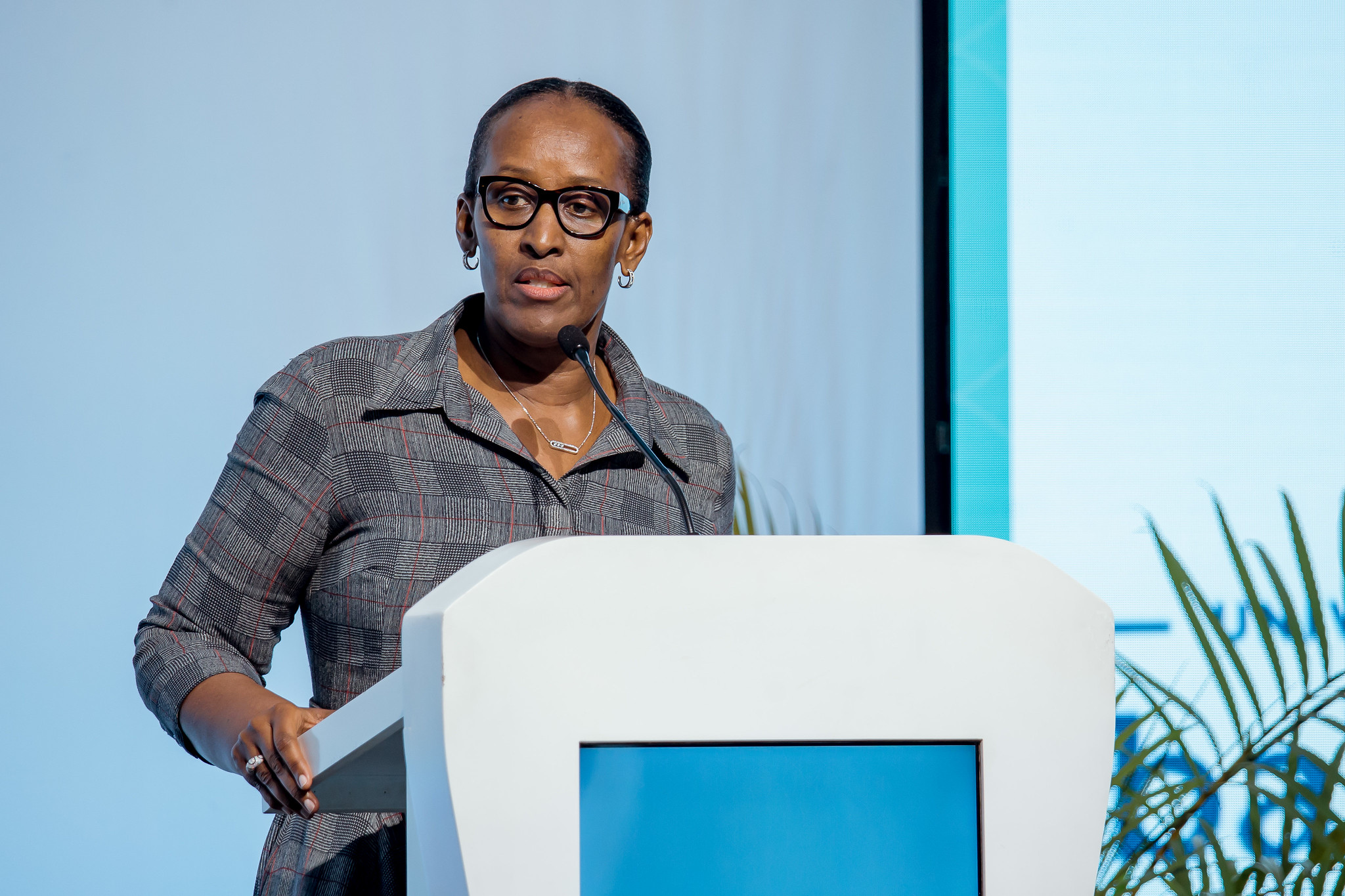
BUTARO, Rwanda – First Lady Jeannette Kagame and American philanthropist Bill Gates opened the inaugural Paul Farmer Butaro Dialogues on Health Equity and Innovation with a shared view that the next advances in global health should focus on making proven solutions available to the people who need them most.
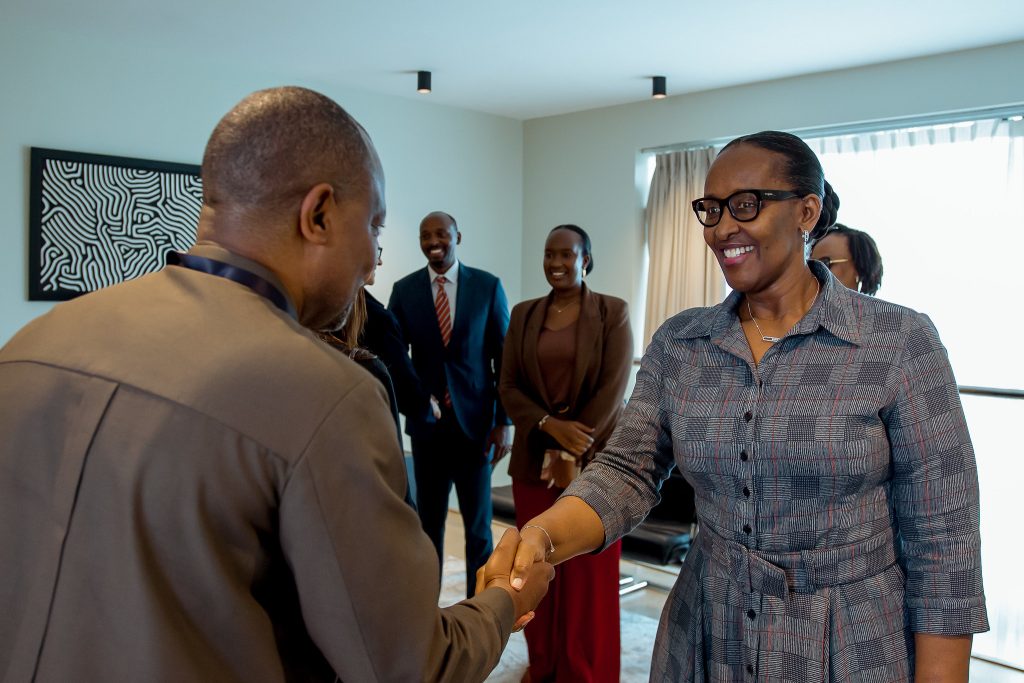
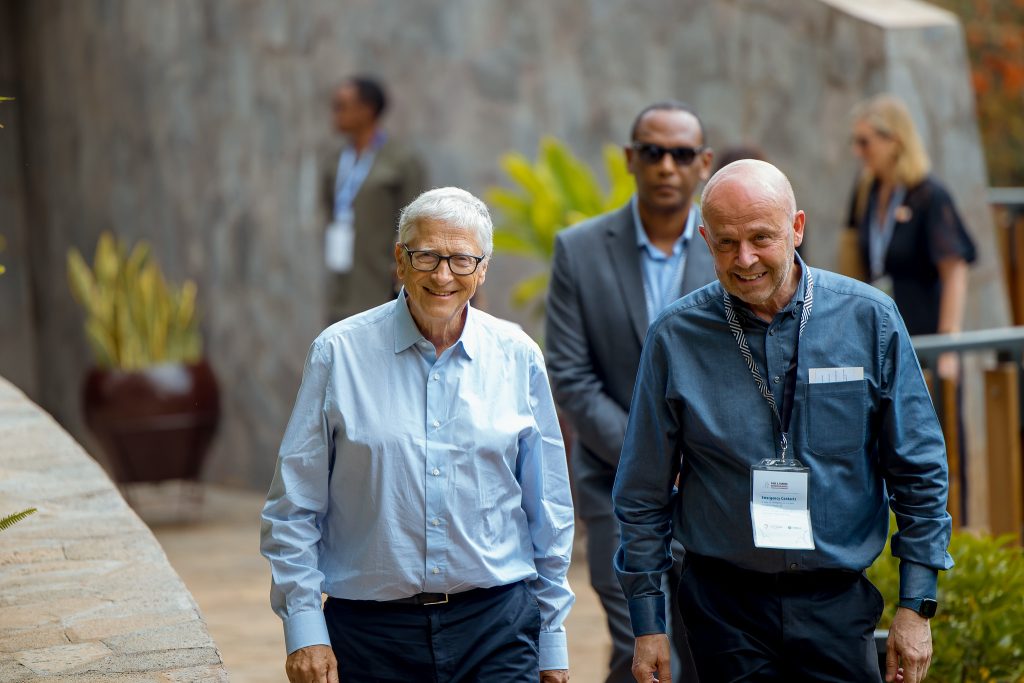
Before the public dialogue began at the University of Global Health Equity (UGHE) in Burera district, the First Lady and Gates held a private meeting alongside members of their respective teams.
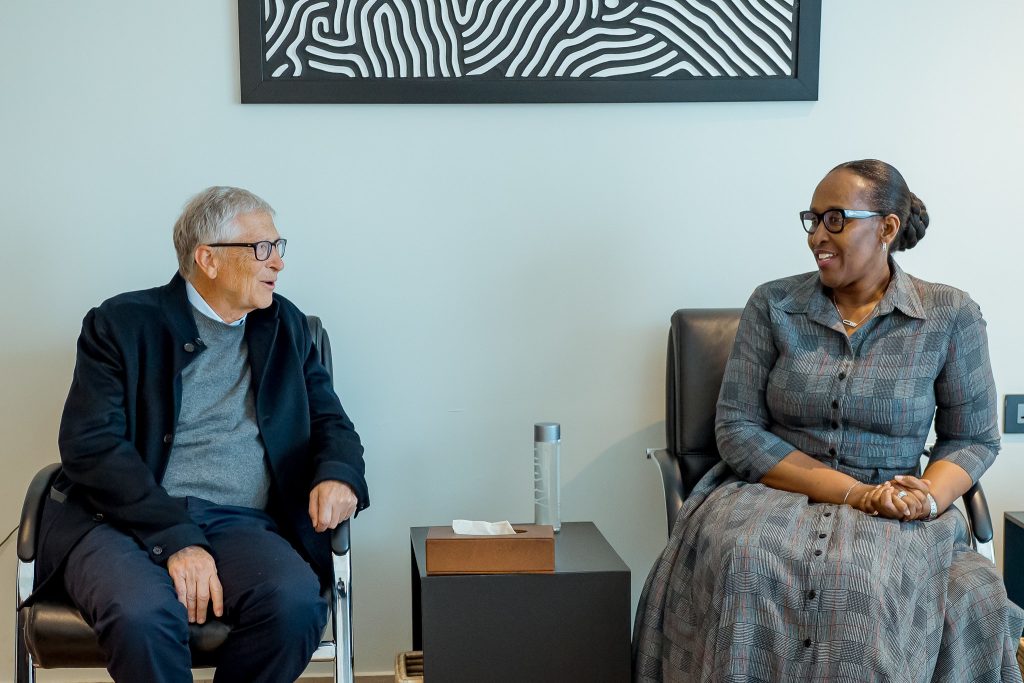
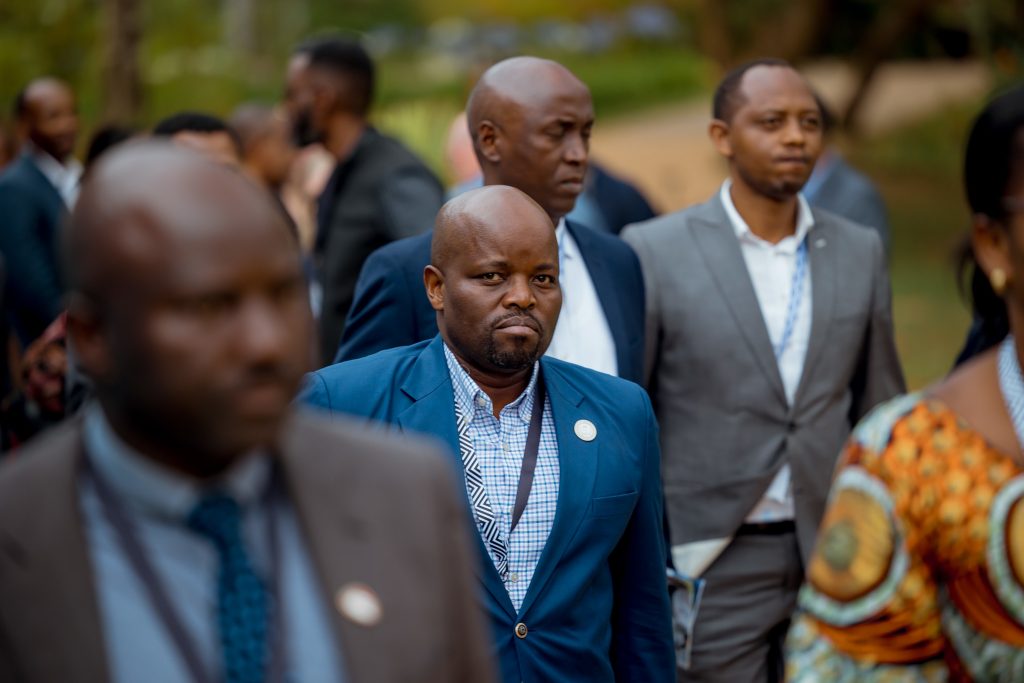
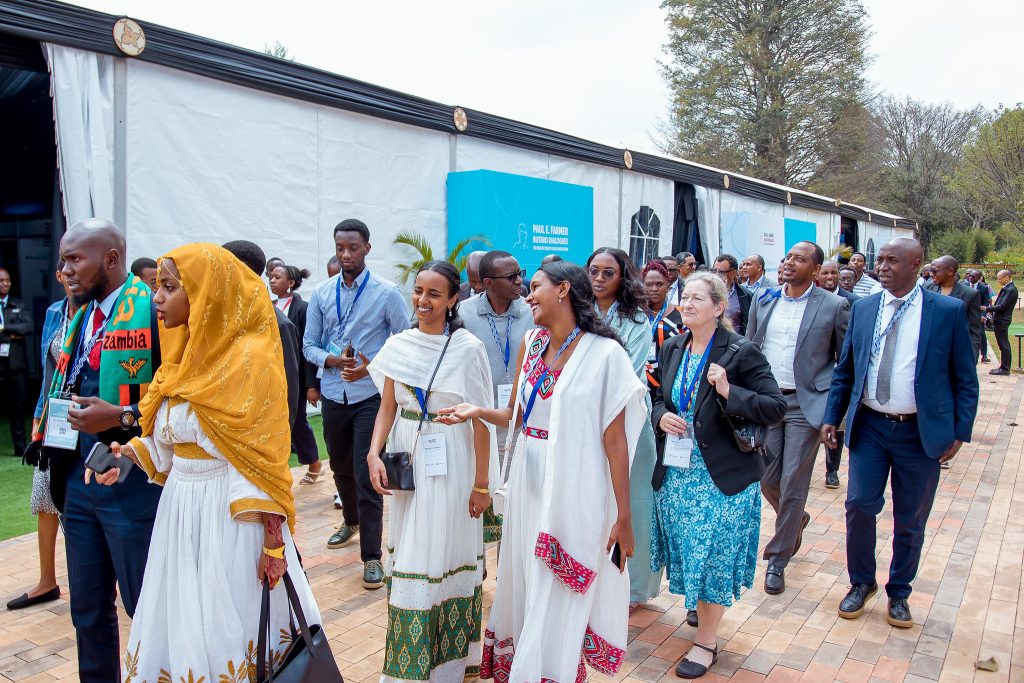
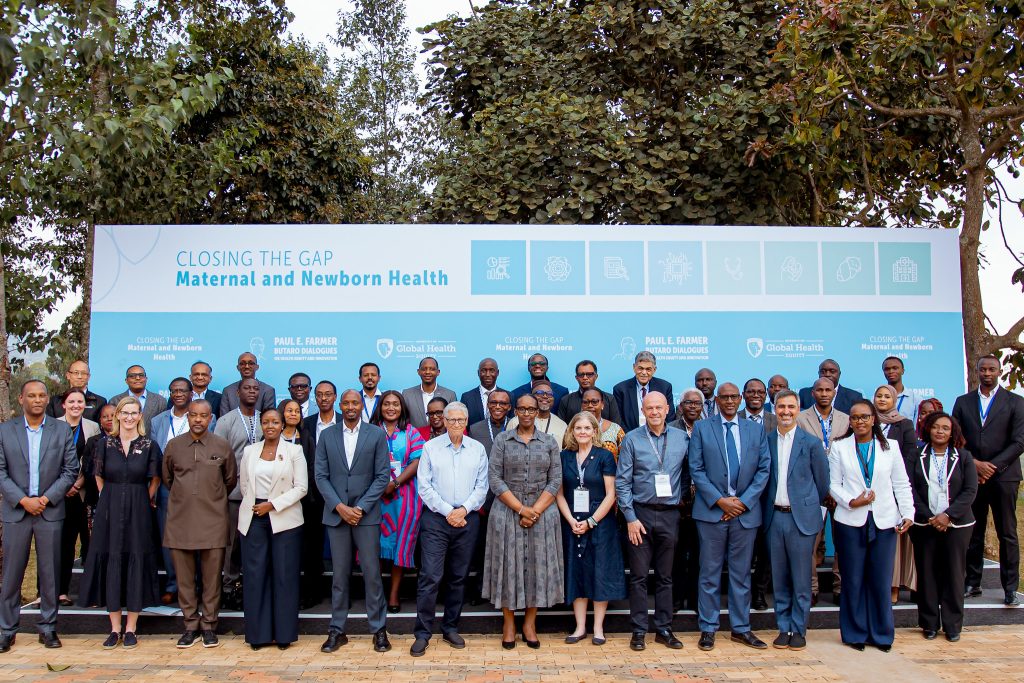
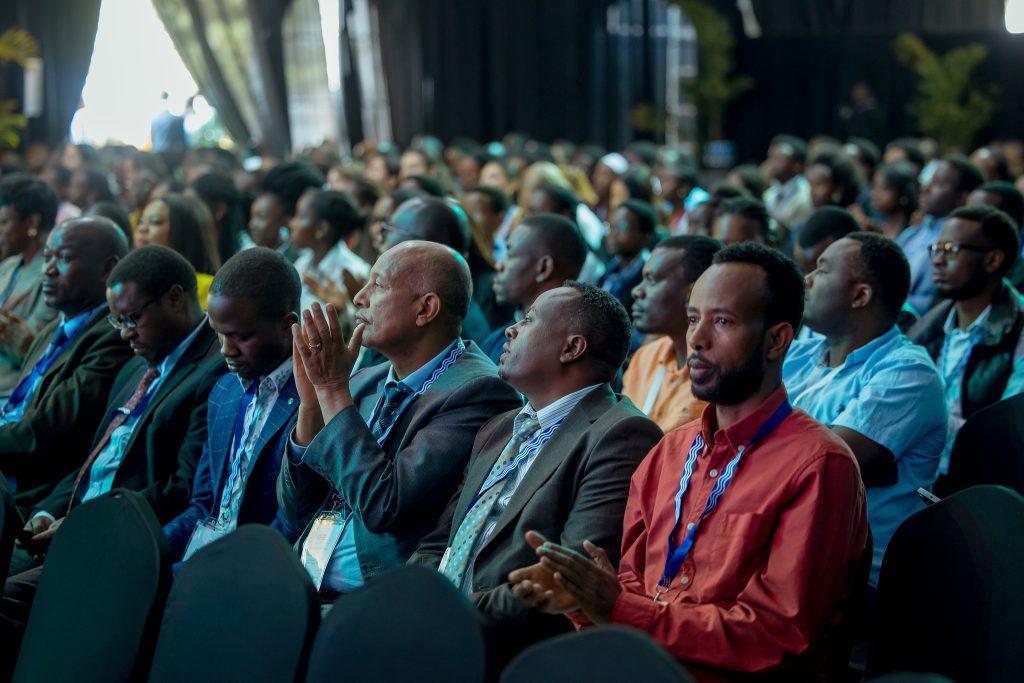
They later joined researchers, policymakers, healthcare professionals and development partners for the inaugural forum, which explores how research, education and innovation can translate into better health outcomes, particularly for women and children.
While Mrs Kagame reflected on the need to close the gap between scientific knowledge and healthcare delivery, Gates pointed to artificial intelligence as an opportunity to accelerate that progress, especially in Africa.
Turning evidence into everyday care
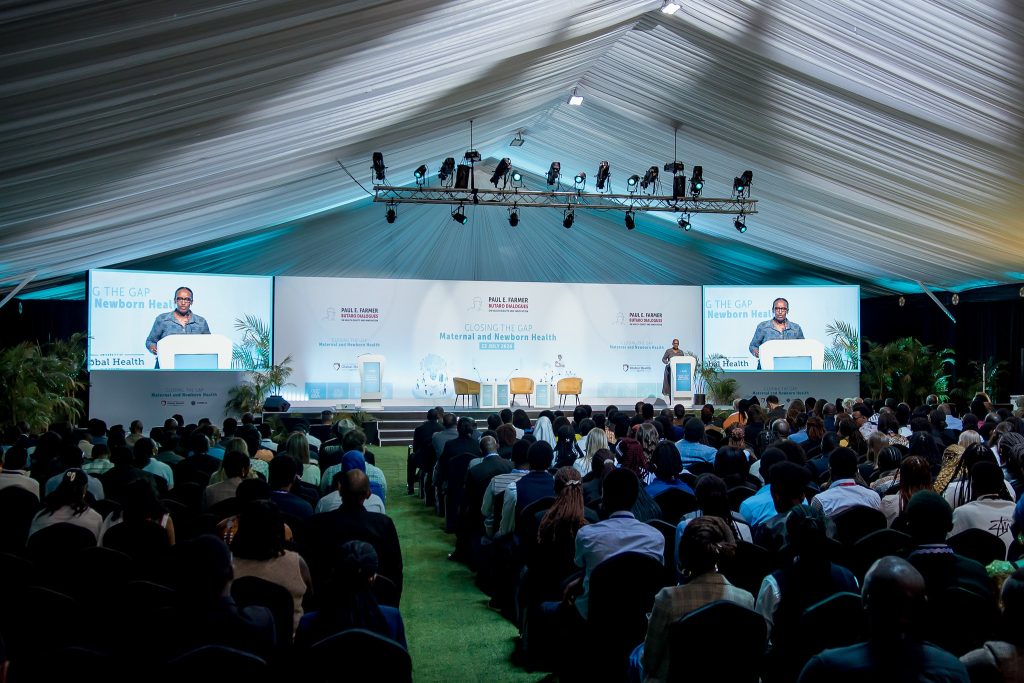
Opening the dialogue, the First Lady said many of the interventions needed to reduce maternal and newborn deaths are already known, yet too many women continue to die because those interventions do not consistently reach the communities that need them.
“Our greatest challenge is no longer discovering solutions. The solutions already exist. Our challenge today is operational. It is translating proven interventions into universal delivery,” she said.
She cited rapid treatment for postpartum haemorrhage, magnesium sulphate for eclampsia, kangaroo mother care and improved maternal nutrition as examples of interventions whose effectiveness has long been established.
The next step, she said, is ensuring those interventions move beyond successful pilot programs and become routine practice across health systems.
“We know the challenges. We know sustainable financing remains insufficient. We know research too often remains confined to journals. We know that innovation takes years to become routine practice, yet we can choose to scale what works without delay.”
Rwanda’s own experience, she said, shows what can happen when scientific evidence is translated into policy and backed by sustained investment in primary healthcare.
Over the past three decades, maternal mortality has fallen from 1,071 to 149 deaths per 100,000 live births, while under-five mortality has dropped from 196 to 36 deaths per 1,000 live births.
“These achievements were not from abundant resources. They happened because evidence became policy, political will met implementation, primary healthcare was strengthened, and community health workers became trusted partners in care.”
She also spoke about the role of community health workers, saying they have become the link between health systems and families, helping ensure lifesaving services reach communities that would otherwise remain underserved.
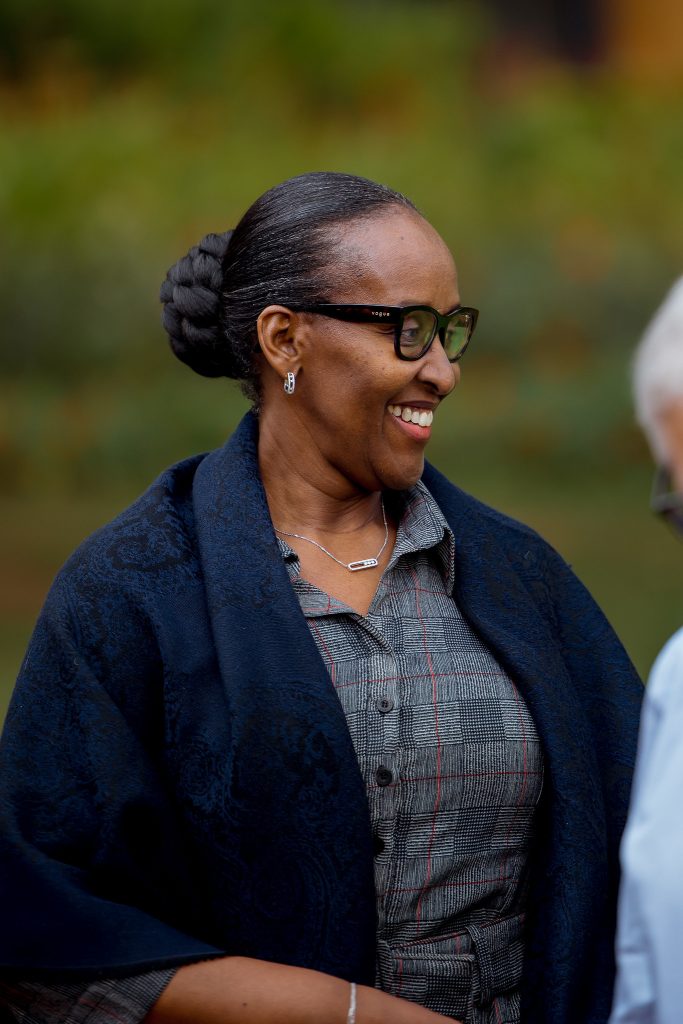
For the First Lady, every preventable maternal death points to a missed opportunity to apply knowledge that already exists.
“When a woman dies while giving life, it’s a dark reminder that somewhere, a health system failed to deliver what is already possible. This is a moral failure. But it’s a moral failure we can correct.”
A new opportunity for Africa
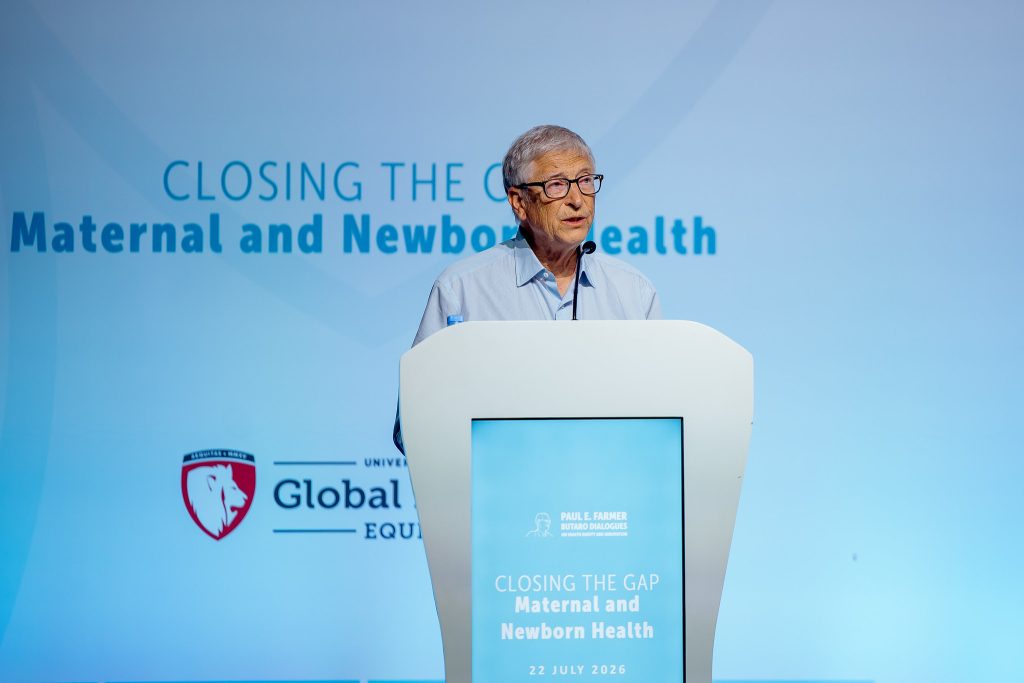
On the question of delivery, Gates said artificial intelligence could help countries strengthen healthcare systems at a time when many are facing shortages of health workers and growing financial pressure.
“If we let things take their normal course, AI, like all advanced tools, will be in the rich countries… But that would be a great injustice,” he said.
He said Africa should become one of the first places where AI is applied to healthcare rather than waiting for technologies developed elsewhere to gradually reach the continent.
During his visit, Gates toured Rwanda’s National Health Intelligence Centre, where digital platforms are helping authorities monitor health services and use data to improve decision-making.
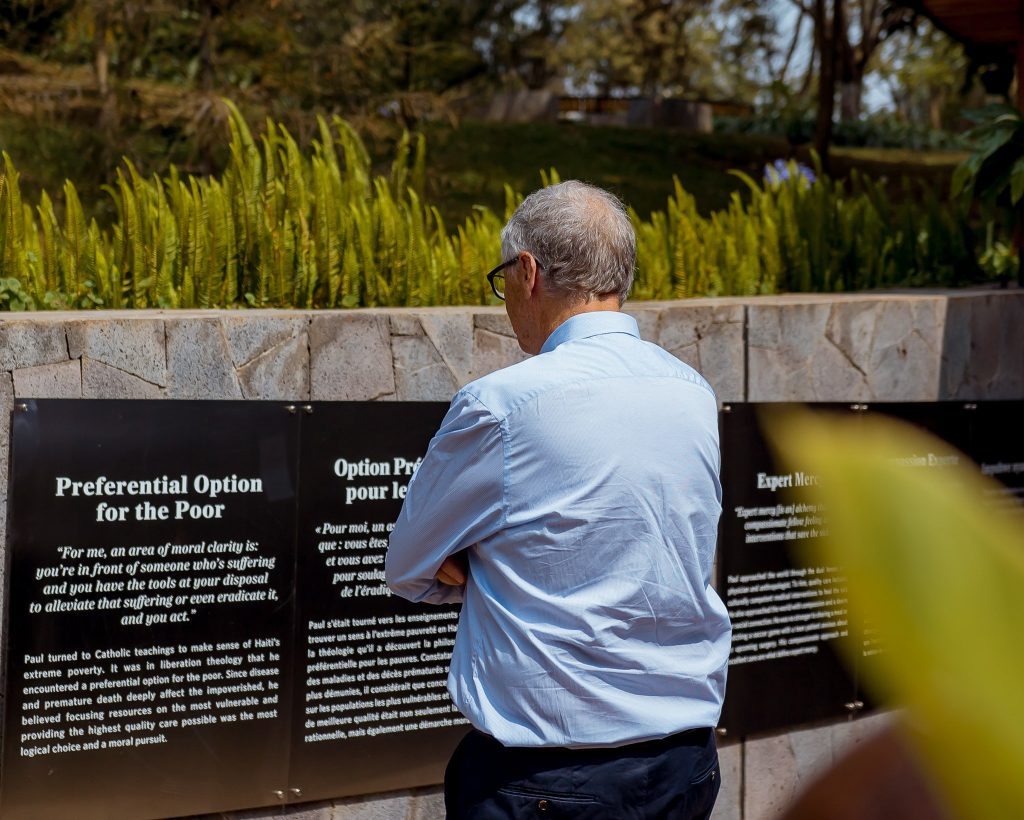
He said Rwanda is working with the Gates Foundation and technology partners to explore practical AI applications that can support healthcare workers and improve patient care.
Gates also expressed concern over shrinking international health financing, saying funding cuts are already reversing some of the gains made over recent decades.
Recalling his friendship with the late physician and global health pioneer Dr. Paul Farmer, Gates said one principle remained central to Farmer’s work.
“He always believed that where you live should never determine if you live.”
Honouring Paul Farmer’s legacy
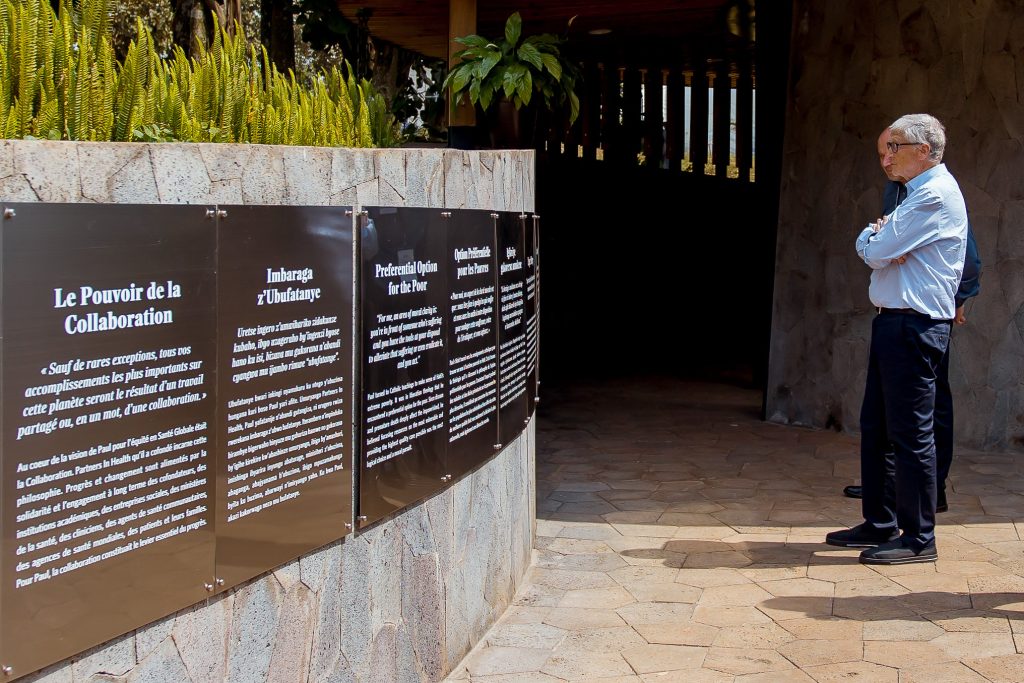
Named after the late physician, the Paul Farmer Butaro Dialogues were established to connect research, education, policy and implementation around some of the world’s most pressing health challenges.
The inaugural edition placed maternal and child health at the centre of the discussions while exploring how innovation, including artificial intelligence, can strengthen healthcare systems without leaving vulnerable communities behind.
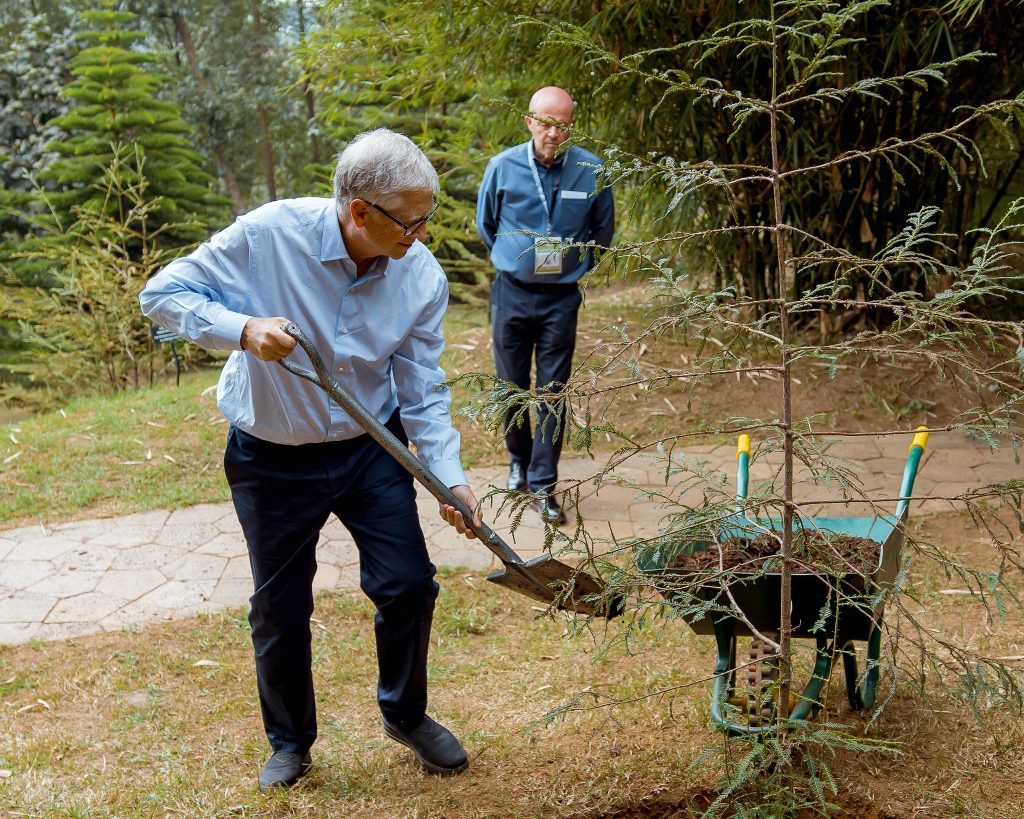
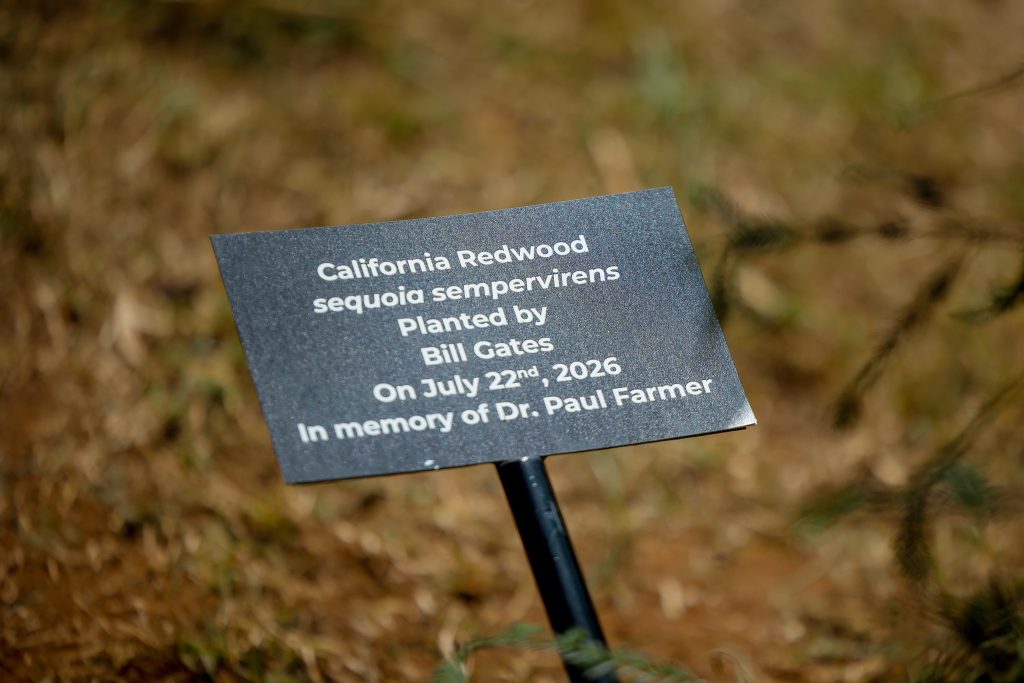
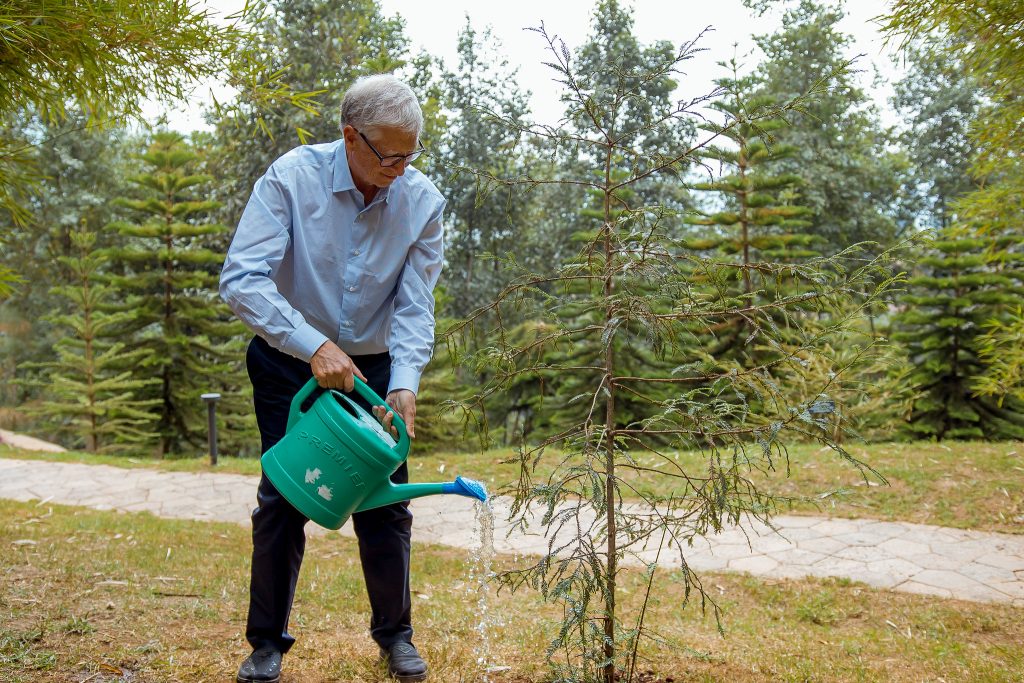
At the event, Gates planted a California Redwood (Sequoia sempervirens) tree on the UGHE campus in memory of Dr. Paul Farmer, whose work helped expand access to quality healthcare in Rwanda and other underserved communities.
The tree now stands as a living tribute to a physician whose belief that quality healthcare should be available to everyone shaped the philosophy behind the dialogue.