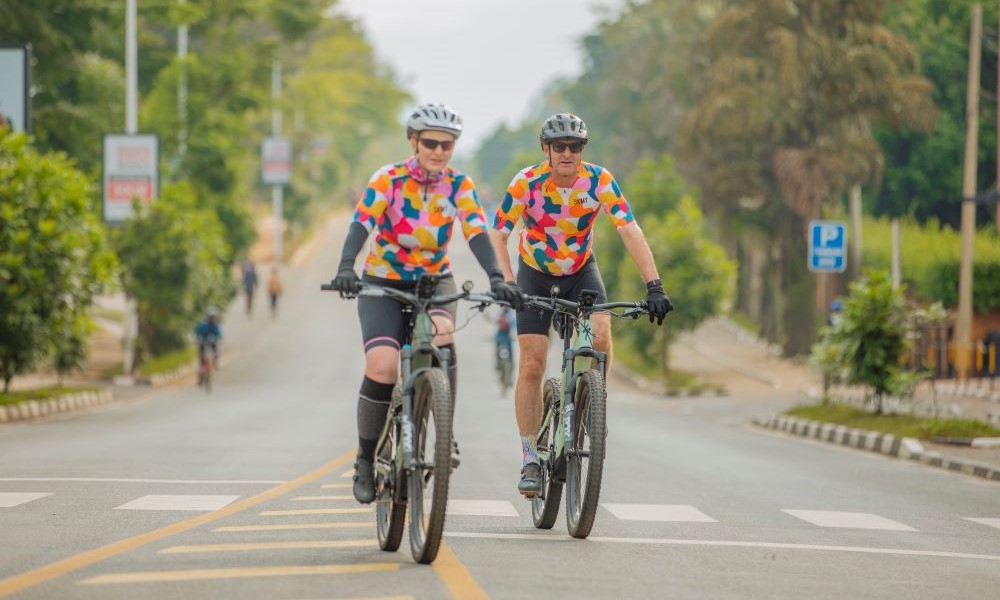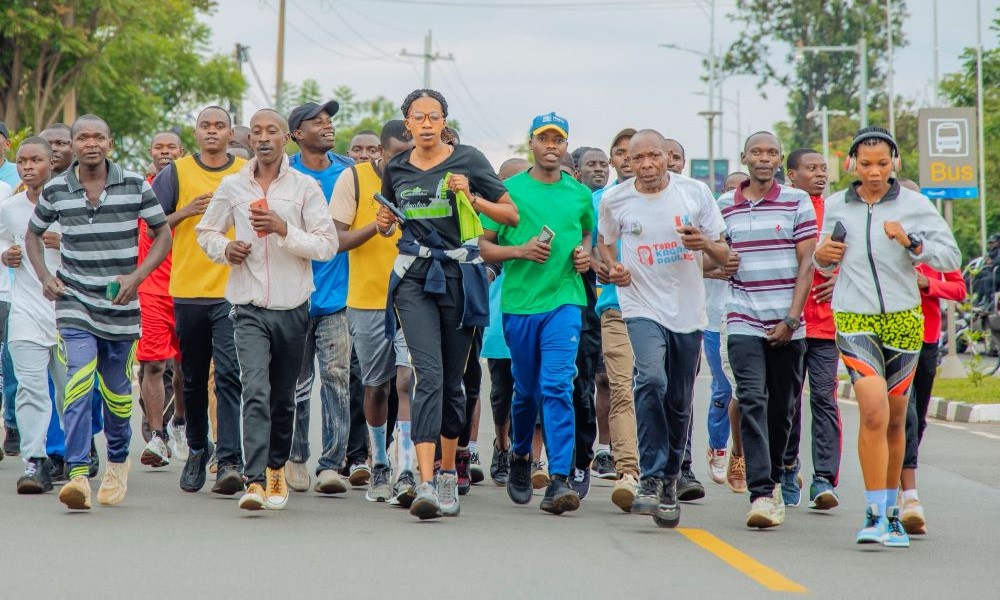
On Sunday October 5, 2025, Kigali woke up to a lively rhythm of movement and community spirit as residents filled the city’s streets for the monthly Car-Free Day, a mass sports event that has become a defining feature of Rwanda’s capital.
This month’s edition carried a special theme, cycling, held in celebration of the recent UCI Road World Championships that put Kigali on the global sporting map.
From dawn, families, athletes, and health enthusiasts converged on key roads across the city, leaving their cars behind to walk, jog, and ride together.
The event, organized twice every month, has grown beyond a sports routine to symbolize Kigali’s broader vision for wellness, sustainability, and social connection.
“This morning we woke up to the monthly car free day mass sports event, which was held with a special focus on cycling in celebration of the recent UCI Road World Championships that took place here in Kigali,” City of Kigali said in a statement.
This initiative is collective statement about the kind of city Kigali wants to be, one that breathes cleaner air, promotes healthy living, and brings people together in shared purpose.
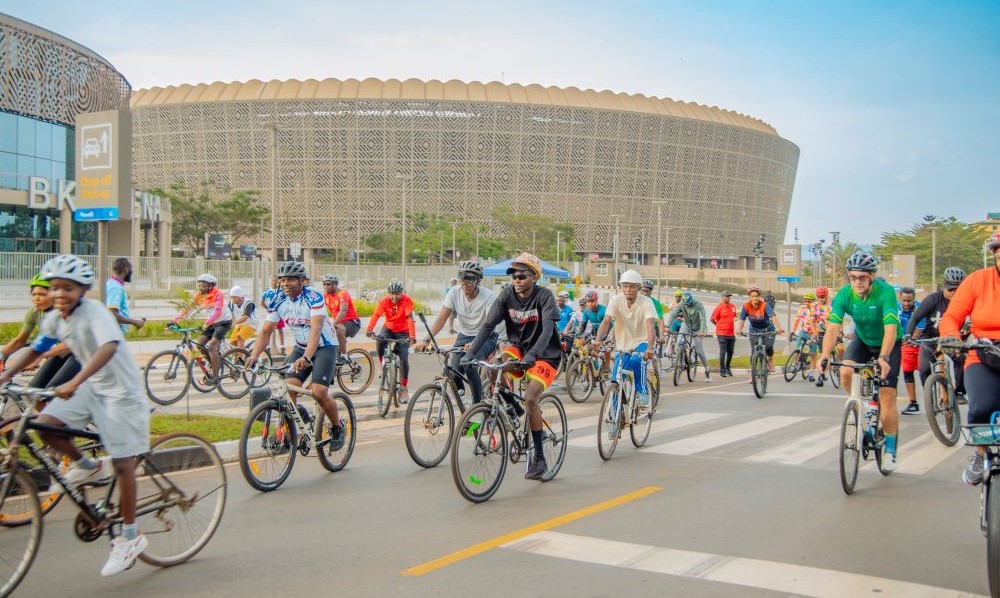
The morning’s energy reflected a growing national consciousness about active living and environmental stewardship. The same streets that had hosted world-class cyclists only weeks earlier were now filled with residents celebrating the enduring legacy of that international event.
For many, the car-free day is both a continuation of that excitement and a reminder of how lifestyle choices can contribute to a healthier urban environment. As has become customary, the day also offered free health services, particularly screenings for non-communicable diseases such as diabetes and hypertension.
These mobile clinics, stationed at various points along the route, provide thousands of city dwellers with the opportunity to monitor their health, reinforcing Rwanda’s preventive healthcare model.
Public health experts note that the initiative’s benefits extend well beyond fitness. Reduced car emissions during the event significantly improve local air quality, while the social aspect helps strengthen community bonds in an increasingly urbanized setting.
The recent UCI Road World Championships offered Kigali a real-world demonstration of how reduced traffic directly translates into cleaner air. During the week-long event, major city roads were closed to vehicles to accommodate the cyclists and the results were striking.

According to data from the Rwanda Environment Management Authority (REMA), air quality improved significantly, with levels of harmful pollutants like PM2.5 dropping by up to 45 percent in areas where traffic was completely restricted.
The findings reinforce what environmental experts have long emphasized: fewer cars on the road mean healthier air and healthier communities. This natural experiment has, overtime, partly informed the rationale behind Kigali’s car-free day initiative.
By temporarily reducing vehicle emissions twice a month, the city creates recurring windows of cleaner air, echoing the environmental gains observed during the championships.
It is a reminder that sustainable urban living does not always require grand interventions, sometimes, consistency in small, community-driven actions can achieve measurable improvements in both public health and environmental quality.