KIGALI – Rwanda is looking to domestic savings as a bigger source of capital for investment, business expansion and job creation, as the government seeks to make the financial sector a bolster of the country’s economic growth.
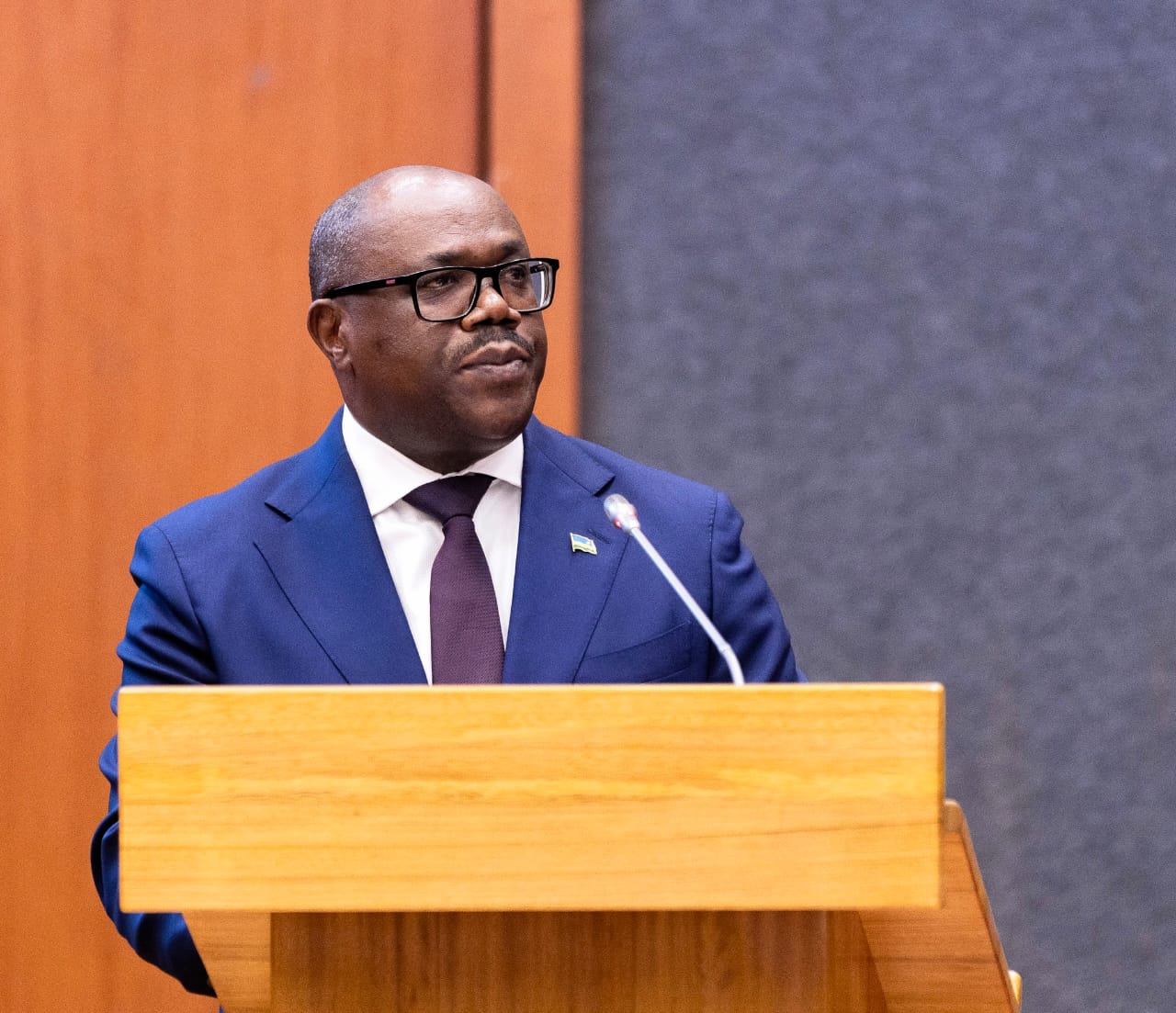
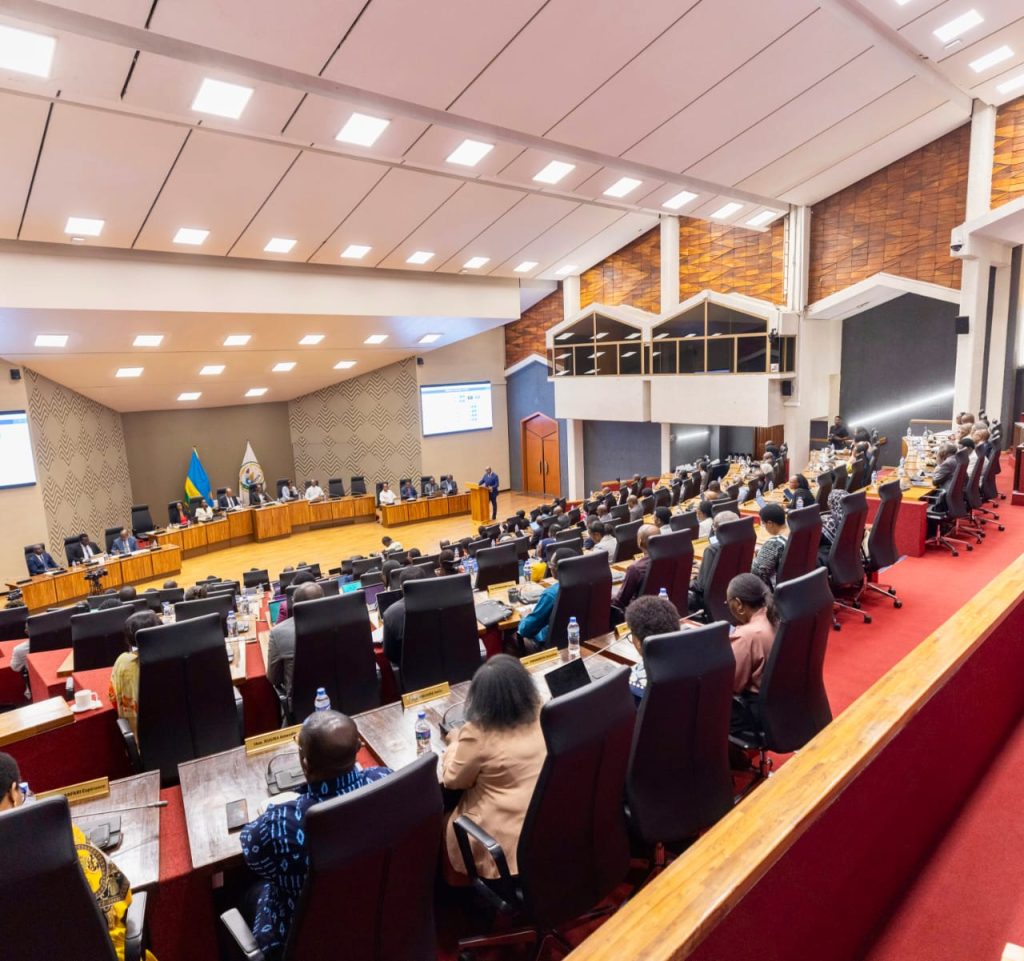
Prime Minister Dr. Justin Nsengiyumva told Parliament on Friday that domestic savings had risen from 14.7% of GDP in 2017 to 22.8% in 2025, but remained below the level needed to support the country’s development ambitions. The target is 25.9% of GDP by 2029.
The push comes as Rwanda’s economy continues to expand. GDP grew by 9.4% in 2025, after 8.2% in 2023 and 7.2% in 2024, while growth reached 10% in the first quarter of 2026 and 9.4% in the second quarter.
“Insufficient domestic investment and savings creates a large export-import gap and persistent price pressures which makes the ability to mobilize money within the country increasingly important,” Nsengiyumva said.
The financial sector holds a central role because it connects savings of households, traders and companies with investment needed for productive activities.
The financial system has expanded considerably in recent years with its assets growing from Rwf4 trillion in 2017 to Rwf16 trillion in 2025, equivalent to an increase from 53% to 68% of GDP.
In terms of credit, the number of borrowers increased from more than 243,000 to over one million, while loans rose from Rwf1.6 trillion to Rwf5.5 trillion over the same period. Private-sector lending alone reached Rwf5.275 trillion in 2025, up from Rwf1.464 trillion in 2017.
The quality of bank lending has also improved with non-performing loan ratio reducing from 7.6% to 2.5%, while banks’ capital adequacy ratio stood at 21.9% in 2025, above the regulatory minimum of 15%.
For the government, however, the next question is whether the expanding financial system can channel more of those resources into sectors that raise production and exports.
From access to economic use

According to the PM, financial inclusion has broadened substantially. The share of Rwandans with access to formal financial services rose from 68% in 2017 to 92% in 2024, reaching 96% when savings groups are included.
In 2025, 73.7% of adults made digital payments, while the number of digital payment transactions increased from about 256 million in 2017 to 3.1 billion. Their value rose from Rwf2.9 trillion to Rwf85.5 trillion.
The number of licensed fintech institutions also increased from three to 36 between 2017 and 2025, making digital finance an important part of that expansion.
This year, the government introduced eKash, an interoperable payment network designed to connect financial institutions and make transfers faster and cheaper. Transactions cost no more than Rwf20, with a maximum transaction value of Rwf10 million.
The expansion has also reached beyond conventional banking. Bank agents increased from 67 per 100,000 adults in 2020 to 228 in 2025, while regular users of mobile money transfer and receipt services rose from 433 to 715 per 1,000 adults.
Nsengiyumva’s presentation suggests that access has become only one measure of financial-sector development but the bigger test is what the money mobilized through that system ultimately finances.
“The financial sector needed for Vision 2050 must mobilize savings, finance entrepreneurs and new ventures, support business productivity, help households withstand shocks and provide long-term investment,” he said.
The government plans to promote long-term savings through banks, insurance, pensions, the capital market and other initiatives while encouraging more companies to raise capital through securities markets.
Beyond persuading more people to save, the aim is to build a financial system capable of taking those savings and putting them to work in manufacturing, agriculture, services, technology and other productive activities.
Building security beyond today
The expansion of Rwanda’s financial sector has also changed the way households prepare for the future. Savings are increasingly extending beyond ordinary bank accounts into pensions, insurance and long-term schemes.
The number of pension contributors more than doubled between 2017 and 2025, while pension-fund assets grew from Rwf66 billion to Rwf2.2 trillion. The government has also used Ejo Heza to encourage longer-term saving, with its membership approaching four million by 2025.
Insurance has expanded alongside these schemes, although participation remains relatively low, pointing to one of the areas where the financial sector still has room to deepen its reach.
“This means that the financial sector is not only a means of obtaining money to use today, but also a means of protecting assets, managing risks and building security for the future,” he said.
That distinction gives the government’s savings push a wider purpose. Mobilizing more domestic savings can provide capital for businesses and investment, but it can also give households greater capacity to withstand financial shocks and plan beyond immediate needs.
The challenge, therefore, is building a culture in which the money moving through that system serves both today’s economic activity and tomorrow’s security.
