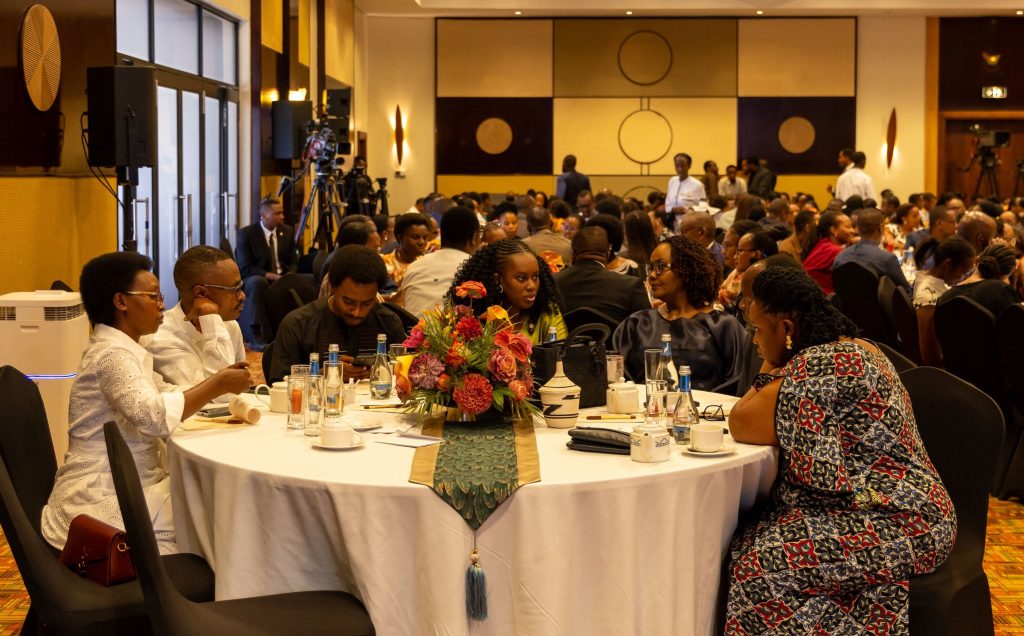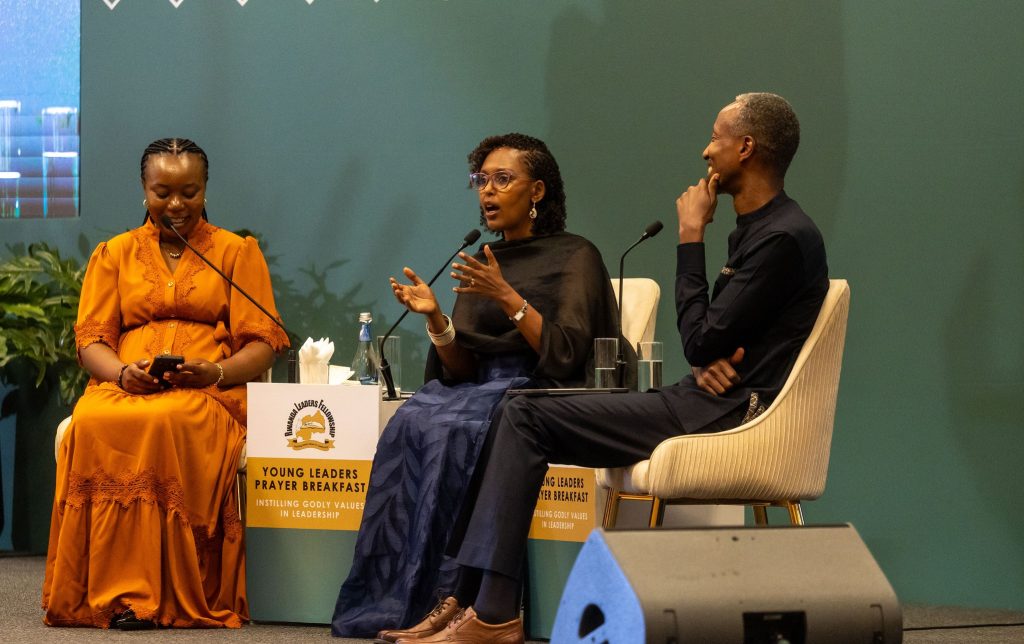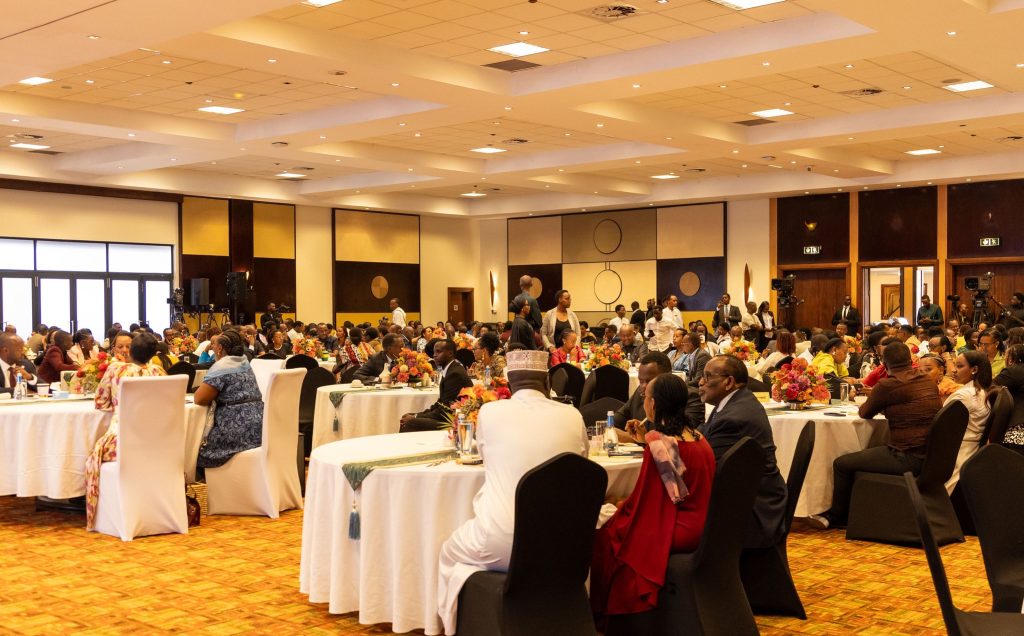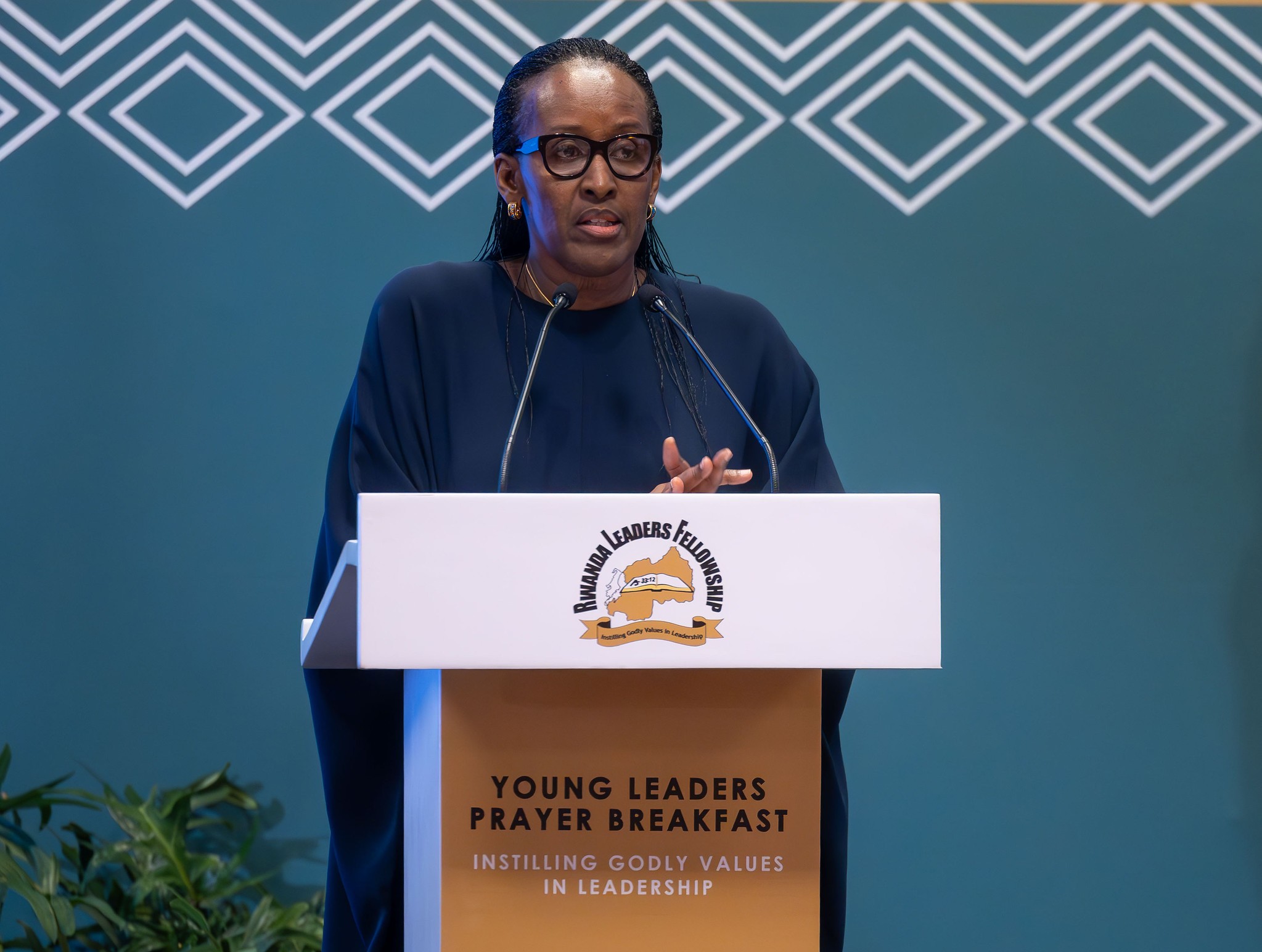
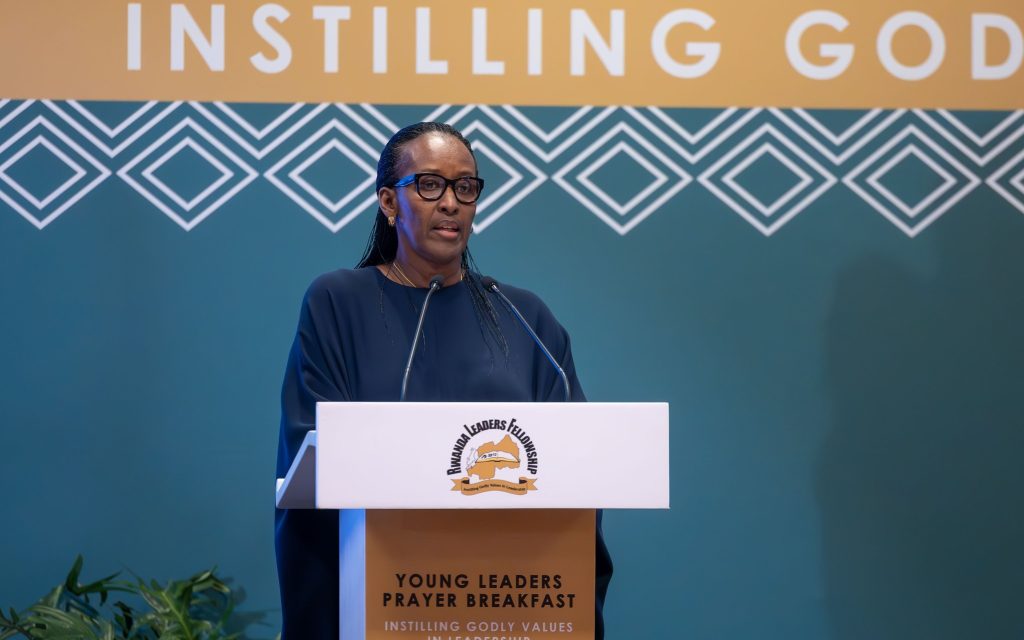
KIGALI – Rwanda’s young leaders may be entrusted with running institutions and advancing the country’s ambitions, but First Lady Jeannette Kagame says one of their most important tests of leadership begins inside their homes.
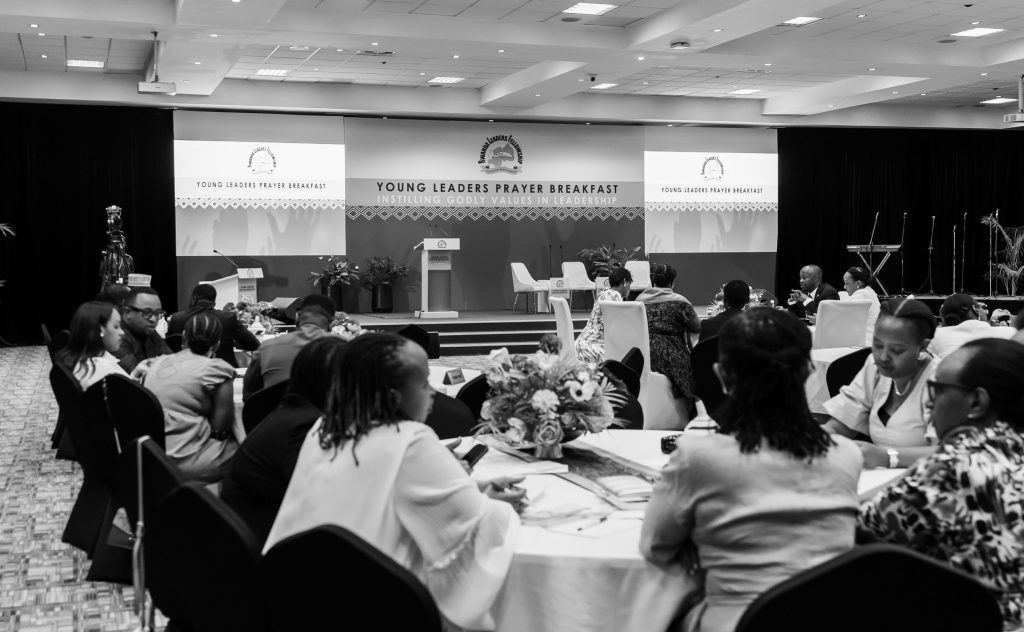
Addressing young leaders at a prayer breakfast themed “Instilling Godly Values in Leadership,” Mrs Kagame challenged them to think about the kind of families they are building and the values they are passing to the next generation.
Her message was that professional success cannot compensate for weak foundations at home.
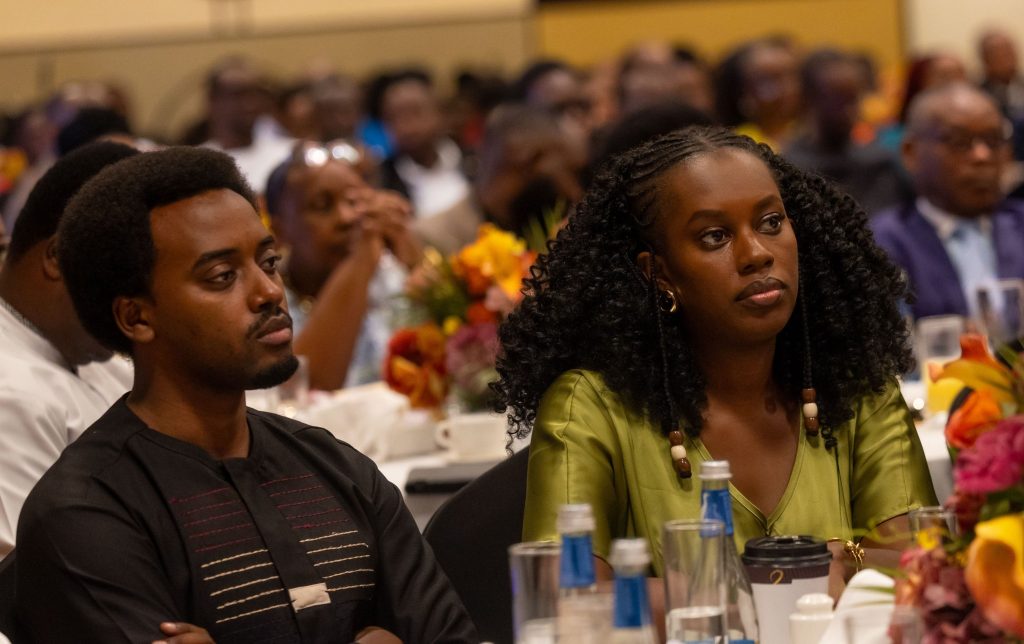
Rwanda has deliberately placed young people in positions of responsibility, she noted, but education and career achievements alone do not prepare them for the demands of building strong families or becoming responsible leaders.
“Education helps you at work but it’s not all that is required to build a strong family. There are other values that are needed,” she said.
The leadership problem that starts at home
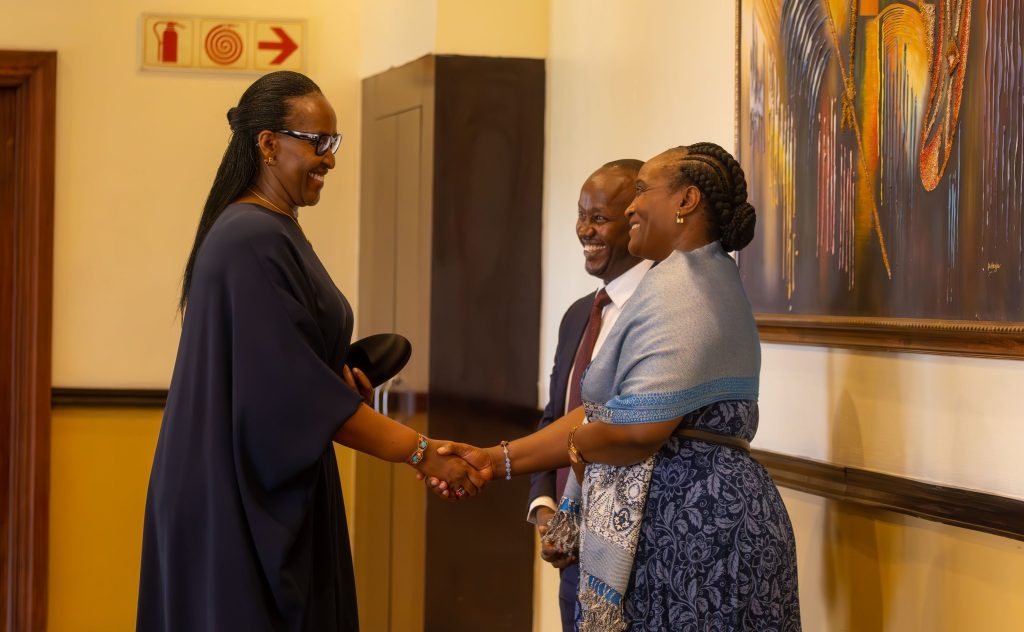
Mrs Kagame’s linked her argument to the strength of families and the kind of society young leaders will eventually lead, warning that family cohesion is facing pressures that cannot simply be ignored.
She pointed to changing attitudes towards marriage and commitment, including the tendency to postpone commitment until education, employment, financial security and other personal goals have been achieved.
At the same time, she warned against wanting the visible rewards of family life without accepting the responsibilities that come with them.
“Some want children, but not the daily and glamorous work of parenting that raising a child actually requires. Some want a wedding, the day, the dress, the celebration, more than they want the marriage it’s supposed to begin,” she said.
For young people preparing to take on greater responsibilities in public life, she said these choices matter because the values developed in private eventually influence how people relate to others and lead.
She urged young leaders to be intentional about what they allow into their lives, what they nurture and what they pass on to the next generation.
The small things that can break a family
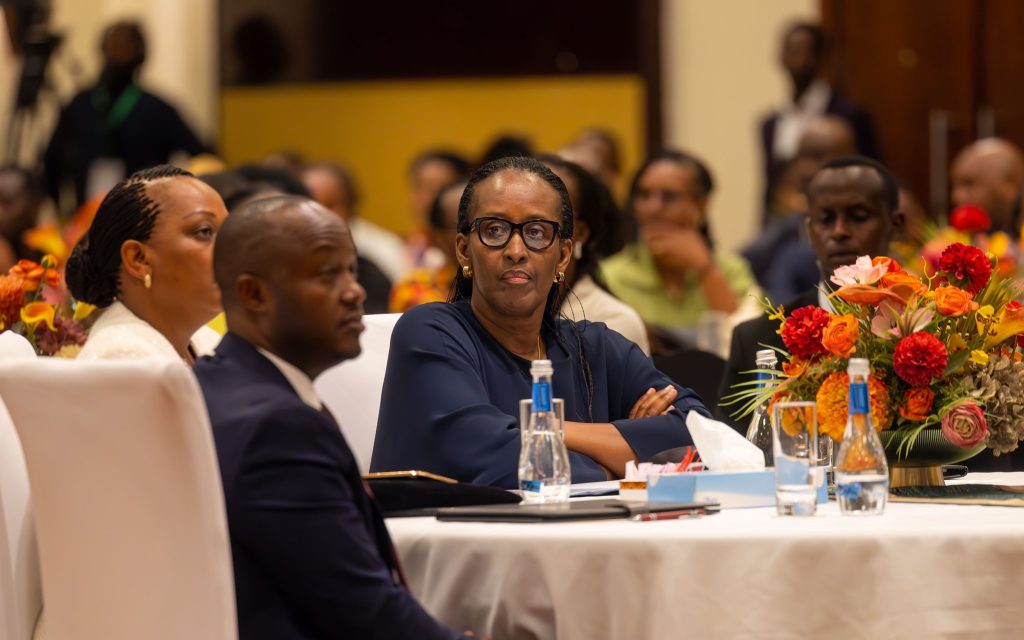
Mrs Kagame also focused on something less visible but potentially more damaging which is the daily behaviour that gradually erodes relationships.
She said families do not necessarily break apart because of one major event. Repeated criticism, anger, public humiliation, withdrawal and prolonged silence can slowly undermine trust between couples.
“Relationships don’t usually break in big moments, they wear down in small ones,” she said, calling for greater safety and openness between partners.
She urged parents to create healthy homes by making deliberate choices rather than waiting for circumstances to become easier. For leaders, that means giving family life the same seriousness and intentionality devoted to careers and public responsibilities.
A family that chose to learn
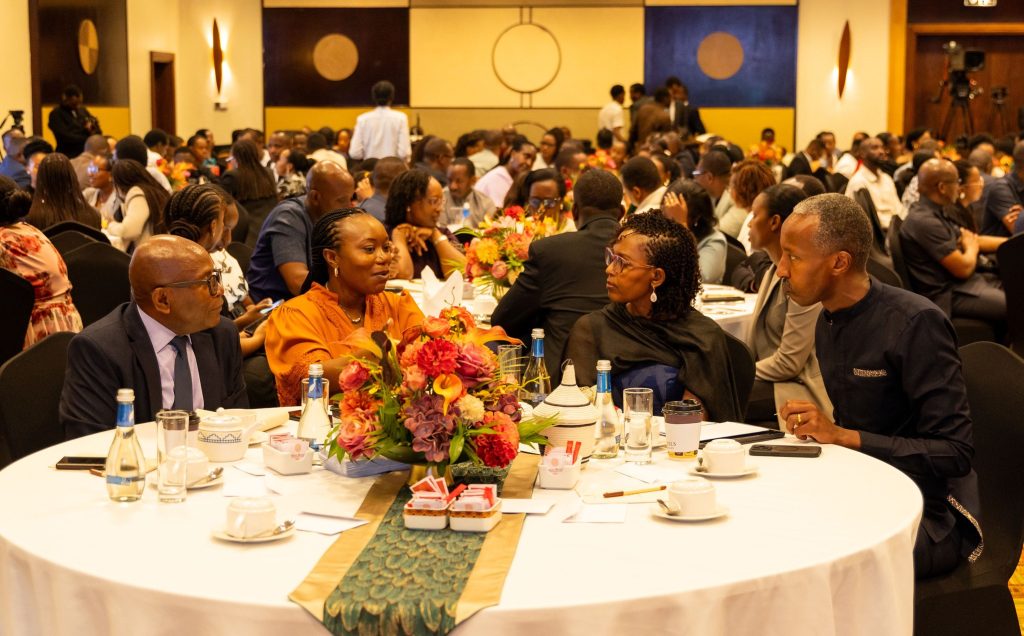
The experience of Eric and Bonita Munyemana illustrated the effort Mrs Kagame was urging young leaders to embrace.
The couple, married for 28 years and raising four children, said their marriage survived difficult moments because they deliberately chose to learn, communicate and grow together.
After confronting differences in personality, they sought guidance from other couples, churches and organizations and read widely to better understand marriage and each other.
Their faith also became part of their daily life. They prayed together, read the Bible and learnt to apologize when they were wrong.
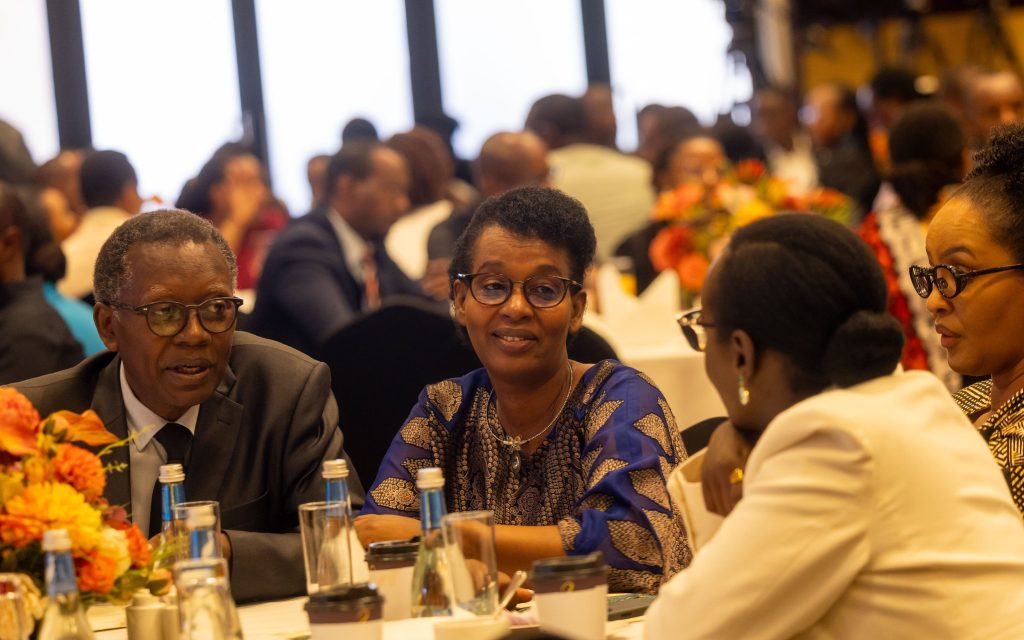
Parenting also forced difficult decisions. When work left them with limited time for their children, Bonita eventually gave up her job, despite the financial consequences, so she could spend more time raising them.
The couple also created time to talk and play with their children and deliberately modelled the values they wanted them to adopt.
“When children feel loved, it builds their self-esteem and gives them the capacity to reject bad things,” Munyemana said.
Monique Mukamana, who is in charge of child rights protection at the National Child Development Agency, said the consequences of family challenges are ultimately felt by children and society.
She pointed to interventions including Early Childhood Development services and support for families as part of efforts to give children a stronger start.
Families, churches, communities, leaders and institutions all have a role to play in protecting values and strengthening homes.
The broader appeal to young leaders was therefore not simply to become better professionals, but to recognize that leadership is also reflected in the lives they build when no one is watching.