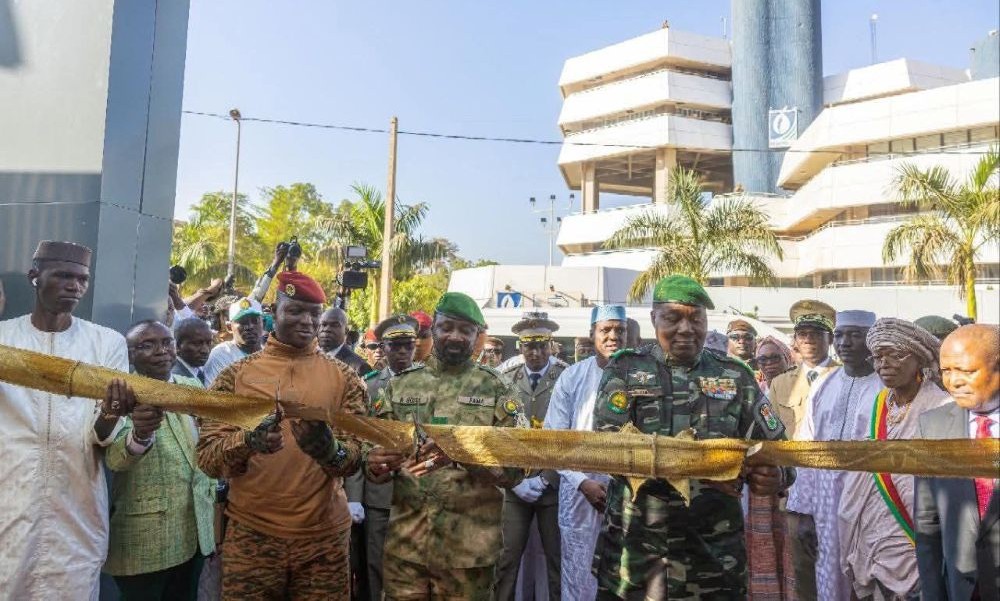
Kigali, Rwanda – The second summit of the Alliance of Sahel States (AES) in Bamako marked a decisive moment for Mali, Niger, and Burkina Faso as their leaders reaffirmed a shared path centered on sovereignty, collective security, and regional self-reliance.
Facing persistent extremist violence and strained relations with Western partners, the three military-led states presented the alliance as both a strategic necessity and a long-term framework for political, economic, and security transformation in the Sahel.
Leaders of Mali, Niger, and Burkina Faso gathered in Bamako to reinforce a confederation formed in 2023 after military coups that deepened rifts with the Economic Community of West African States (ECOWAS).
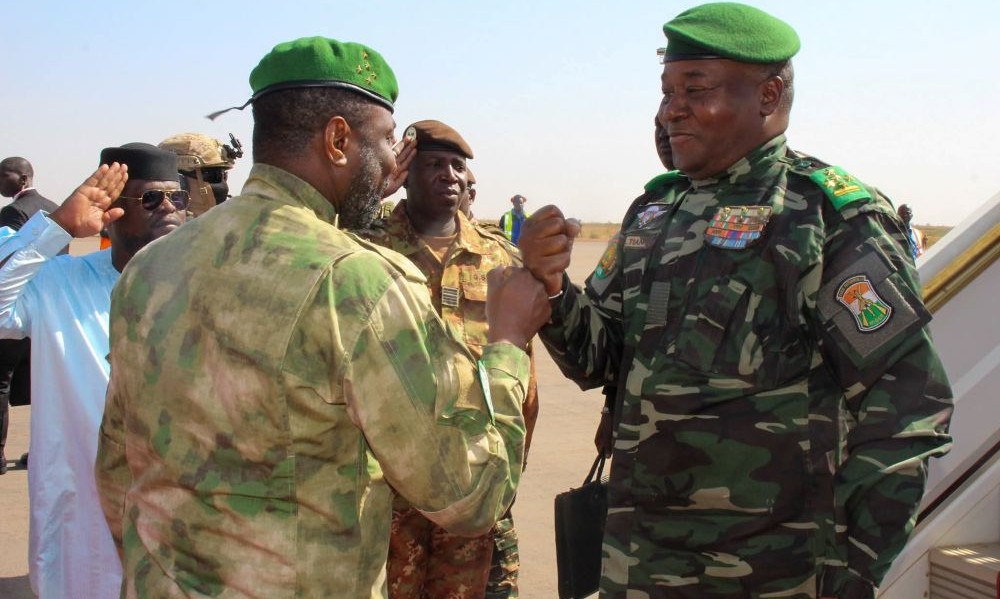
Mali’s President Gen. Assimi Goïta welcomed Niger’s President Gen. Abdourahamane Tchiani at Bamako airport before formal talks began at the presidential palace. Burkina Faso’s President Capt. Ibrahim Traoré joined the summit the following morning after an unexpected delay.
The meeting underscored the bloc’s determination to reduce reliance on ECOWAS, which the three countries formally exited last year following sanctions and diplomatic fallout.
While ECOWAS has indicated openness to continued trade benefits, the AES states have taken steps to assert autonomy, including issuing their own travel documents.
At the same time, they remain members of the West African Economic and Monetary Union, ensuring ongoing trade and free movement of goods among its eight member states.
Addressing the summit, Goïta emphasized that the alliance is driven by domestic legitimacy rather than foreign pressure. “The real strength of the Confederation lies in the resilience and unity of its people,” he said, praising the political maturity of citizens across the three countries.
He also paid tribute to diaspora communities for their support through “concrete actions and a constant commitment to their homelands,” framing popular backing as the foundation of the AES project.
Security first in a region under constant threat
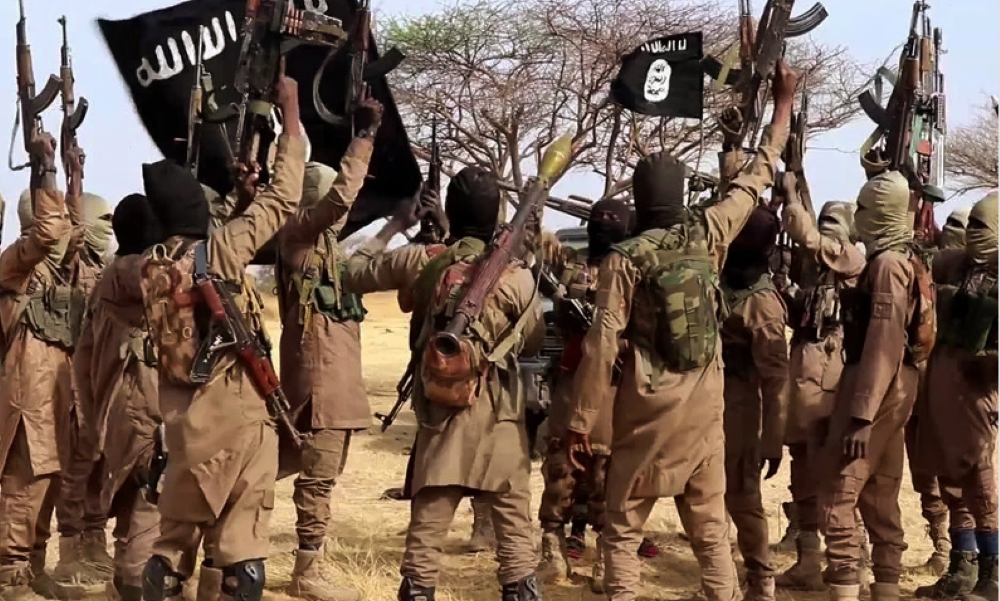
Security dominated the summit agenda as leaders confronted the Sahel’s status as the world’s deadliest region for extremist violence.
Armed groups linked to al-Qaida and the Islamic State continue to exploit fragile institutions and porous borders, placing immense pressure on national armies.
Ahead of the summit, the three states announced the creation of a joint military force, including a battalion expected to deploy around 5,000 personnel.
Capt. Ibrahim Traoré, named the new head of the AES during the summit, said the launch of the joint battalion “must be followed by large-scale operations in the coming days.”
He warned of an approaching “black winter” of destabilization across West Africa, describing the alliance not as a political option but as a survival imperative against terrorism, economic coercion, and external interference.
Goïta reported early operational gains from joint efforts, stating: “Several terrorist bases have been destroyed thanks to the professionalism of the confederal forces.” He reaffirmed the bloc’s commitment to self-reliance.
Gen. Tchiani echoed this position, asserting that the alliance has “put an end to all occupation forces in our countries,” referring to the departure of French and United States troops.
While the three countries have turned to Russia as a key security partner, analysts caution that the crisis remains complex and difficult to defeat regardless of external support.
Economic potential and narrative control
Beyond security, AES leaders outlined an economic and ideological vision aimed at breaking dependency and reshaping perceptions of the Sahel. Goïta rejected portrayals of the region as structurally poor.
“The AES space has immense mining and agricultural potential capable of feeding our populations and supporting development,” he said.
He credited solidarity among member states, thanking Niger and Burkina Faso for supporting Mali during periods of economic pressure, and described sanctions imposed by external bodies as “a form of economic terrorism.”
Tchiani reinforced the message of sovereignty, declaring that no foreign power or organization would dictate laws to AES nations.
“All decisions will be taken within the confederal territory,” he said, quoting Cheikh Anta Diop: “In the Sahel, security precedes development, but in the Sahel, security precedes everything.”
The summit also marked the launch of AES Television, a joint broadcaster intended to counter disinformation and promote the alliance’s perspective.
Goïta described the channel as a strategic tool “to break disinformation campaigns and hostile narratives targeting our states.” Despite sanctions and diplomatic isolation, observers note growing popular support for the alliance.