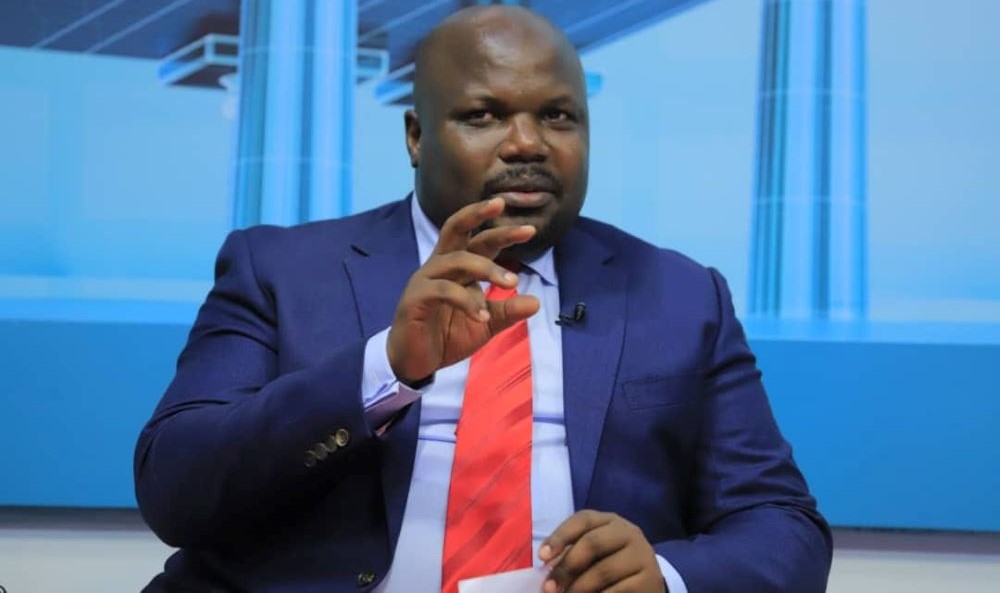
Ugandan presidential hopeful Mubarak Munyagwa has stirred national debate after promising to abolish Kiswahili as a national language and replace it with French in schools and public institutions if elected.
The Common Man’s Party (CMP) candidate made the announcement at a campaign rally, arguing that Uganda’s future lies in building stronger ties with Francophone Africa rather than continuing with Kiswahili.
“We shall ban Kiswahili as a national language. What we need instead is French because it has a far wider reach. Burundi speaks French, Congo speaks French, Rwanda speaks French, Congo-Brazzaville, Gabon, the Central African Republic, all speak French. We do not need Kiswahili. what we need is English and French,” Munyagwa declared
His proposal comes at a time when President Yoweri Museveni’s administration has been actively advancing Kiswahili as a tool of regional integration. In 2022, Uganda officially declared Kiswahili a national language and introduced it into the national curriculum.
The government has emphasized its importance for trade and cultural unity within the East African Community (EAC). Kiswahili is the most widely spoken indigenous African language and holds official recognition by the African Union as a working language.

It serves as a linguistic bridge across Kenya, Tanzania, the DRC, Rwanda, Burundi and beyond. Rwanda itself elevated Kiswahili to official status in 2017, alongside Kinyarwanda, English and French.
Munyagwa’s remarks have sparked fresh questions about Uganda’s language policy and its regional orientation.
While his supporters hail the focus on Francophone partnerships, critics argue that abandoning Kiswahili would weaken Uganda’s integration efforts and isolate the country within the EAC, where Kiswahili has become both a cultural and political symbol.
