
The United States has signaled a major policy shift in its approach to stabilizing Haiti, indicating that leadership of the multinational security support mission may be transferred from Kenya to a regional organization under the umbrella of the Organization of American States (OAS).
This follows a recent phone call between President William Ruto and US Secretary of State Marco Rubio, during which Kenya lobbied for the adoption of proposals made by UN Secretary-General António Guterres.
The proposals call for the creation of a UN support office to provide logistical assistance to the multinational mission, which has faced serious challenges on the ground.
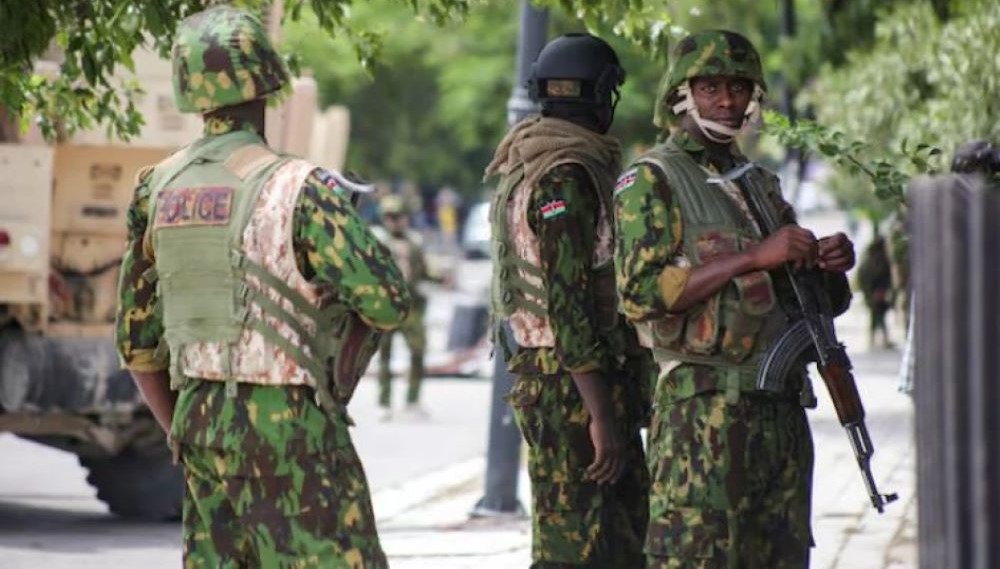
Kenya currently provides the largest share of personnel in the mission, having deployed police officers to Haiti a year ago to protect vital infrastructure. While it supplies the manpower, the United States has been the main financial backer.
Despite these efforts, the United Nations has continued to warn that Haiti is sliding deeper into a humanitarian crisis, with the capital Port-au-Prince teetering on the edge of full gang control.
The multinational mission has been hampered by shortages of personnel, intelligence, equipment, and basic security infrastructure.
To fill the gap, the UN Secretary-General has urged against deploying a traditional peacekeeping force, instead recommending the establishment of a dedicated support office for the mission.
At the same time, Washington has begun pushing for greater regional responsibility. The US has called on the OAS, an organization it heavily funds, to take a leading role in steering security and stabilization efforts in Haiti.
“The US thanks Kenya for its dedication for the last year. We must ensure that an even greater share of the international community is invested in the fight. We will also seek robust regional participation to provide strategic leadership of the force. We note the next international force must be adequately resourced,” said Kimberly Penland, the US deputy chief of mission to the OAS.
Rubio had already hinted at the policy shift in May, when he appeared before the Senate Foreign Relations Committee.
“We are seeking to come up with an alternative strategy because Haiti is heading in a bad direction. The OAS has not led a mission since 1965. Why would we have an OAS if it cannot deal with Haiti? This is one example of something I would like us to lead on, and that is to get organizations like OAS to step forward and provide a mission to deal with Haiti,” he told lawmakers.
If the US succeeds in repositioning the OAS at the helm of the Haiti mission, it would mark the end of Kenya’s leadership role and reshape the international response to the crisis in the Caribbean nation.
