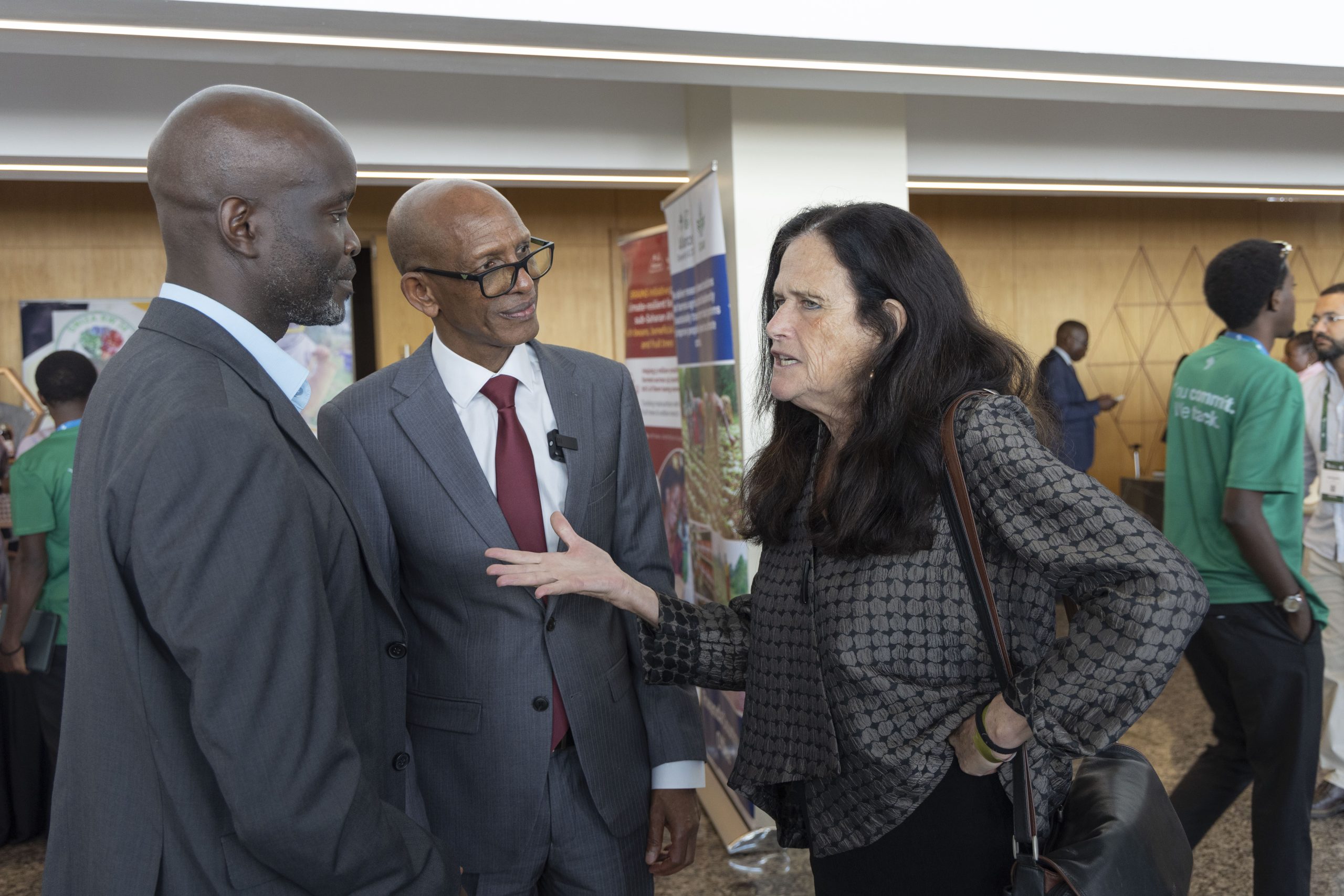
KIGALI – Beans may appear an ordinary crop, but across Africa they are among the continent’s major food supply. They are grown largely by smallholder farmers, provide an important source of protein and income and are deeply embedded in household diets.
Yet farmers who depend on them must contend with changing climate, pests, low productivity and markets that do not always reward better production.
That makes innovation in beans a valuable factor on whether research can solve problems that begin in the field and continue all the way to the family kitchen, the school meal and the marketplace.
This gap between what is developed in research institutions and what reaches ordinary farmers is what the Pan-Africa Bean Research Alliance (PABRA) has spent three decades trying to close.
Years of agricultural innovation can be measured in creation of new varieties, higher yields, stronger markets and better nutrition. But the cycle is not complete until the number of farmers reached is worth celebrating.
Fortunately, more than 46 million farmers across Africa have benefited from improved bean varieties through PABRA, a Rwanda-rooted alliance that has evolved from laboratory work into a wider system connecting farmers, businesses, researchers and governments.
The idea that had to travel
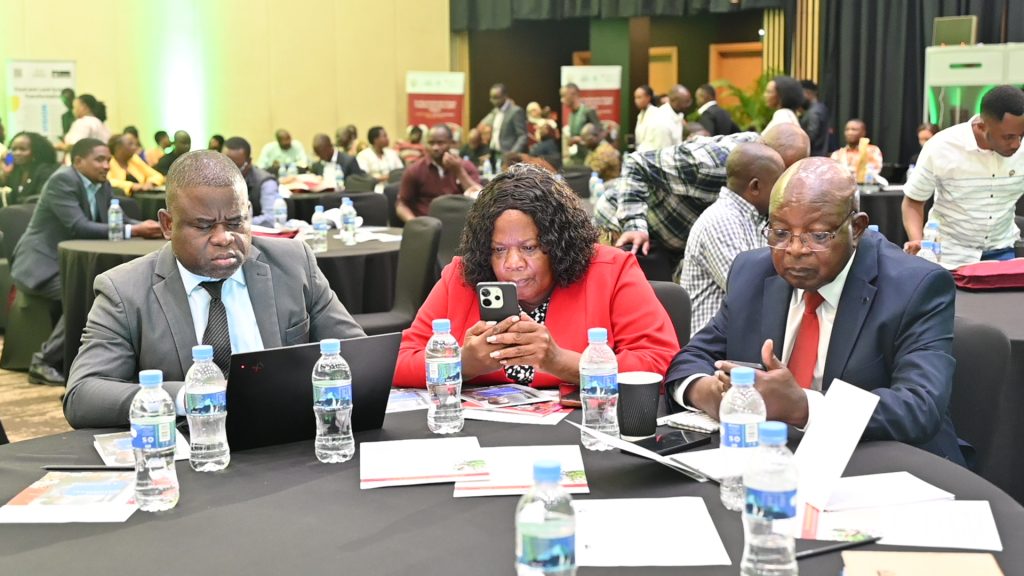
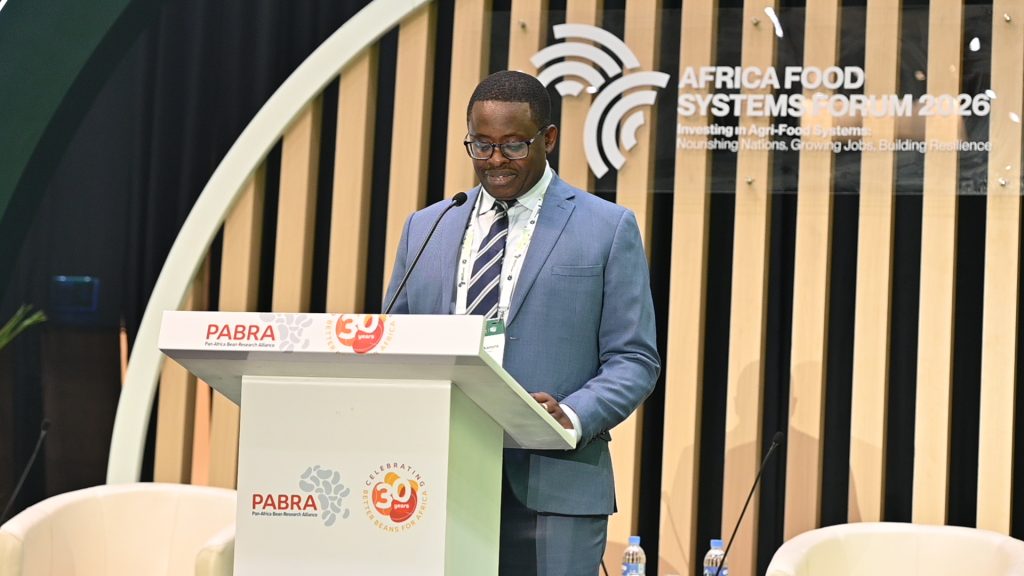
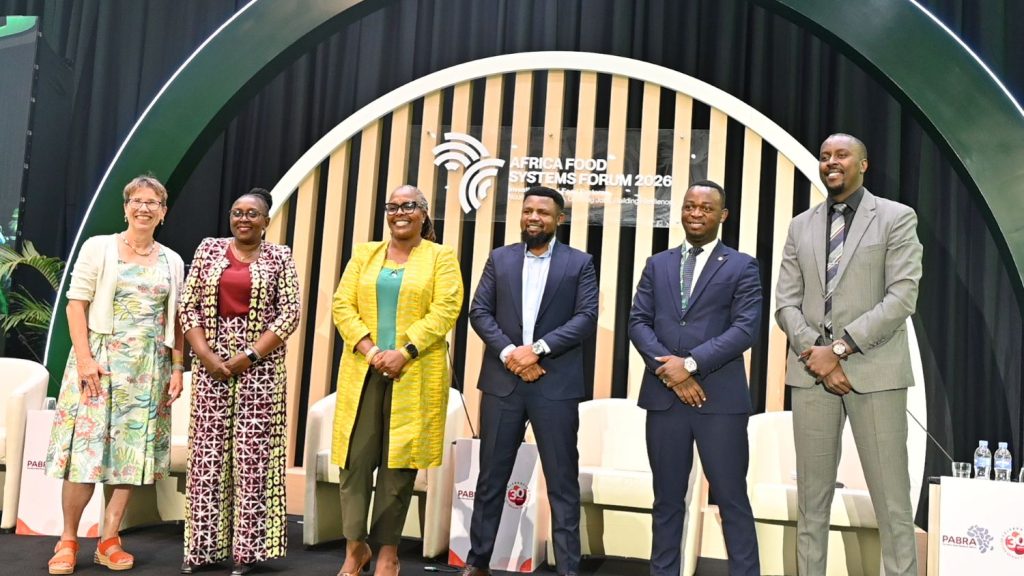
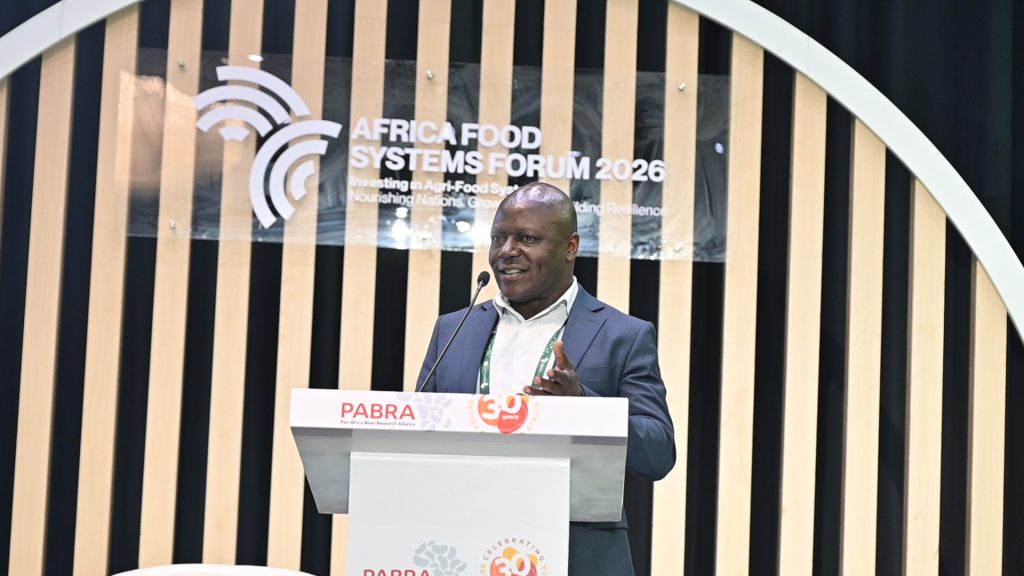
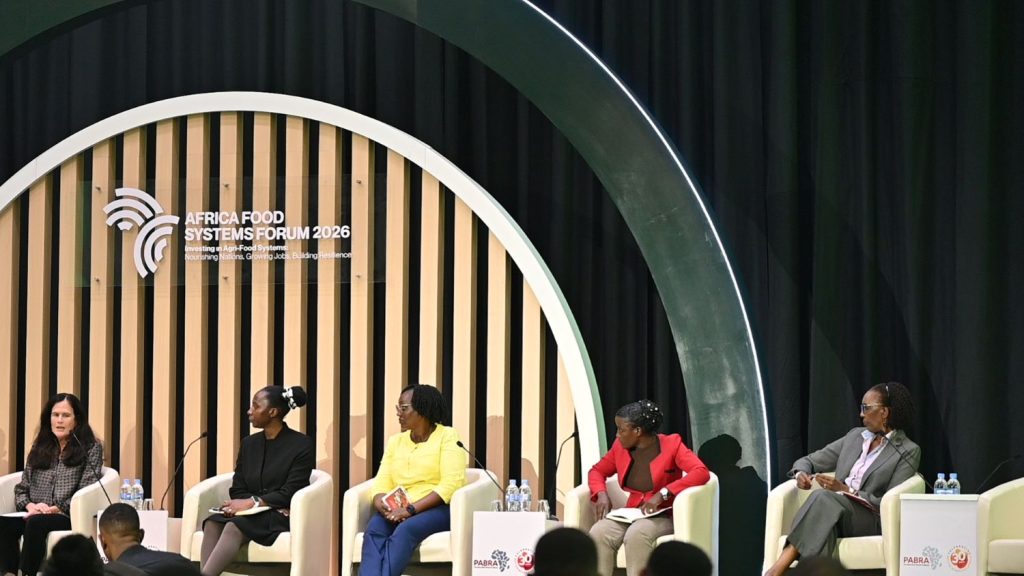
PABRA marked its 30th anniversary in Kigali during the Africa Food Systems Forum, looking back at how an initiative that began with a simple question among researchers developed into a continental network.
In 1996, three regional bean research networks were already working with support from the Swiss Agency for Development and Cooperation when researchers began asking whether they could achieve more by working together
“Why don’t we come together?” recalled Jean Claude Rubyogo, Director of PABRA and Global Bean Program Leader at the Alliance of Bioversity International and CIAT, describing the question that helped bring the networks into a common platform.
The decision has since produced 624 improved bean varieties and a research network spanning 31 countries, with more than 934 partners. Women account for 58 percent of the farmers reached.
From better seed to better lives
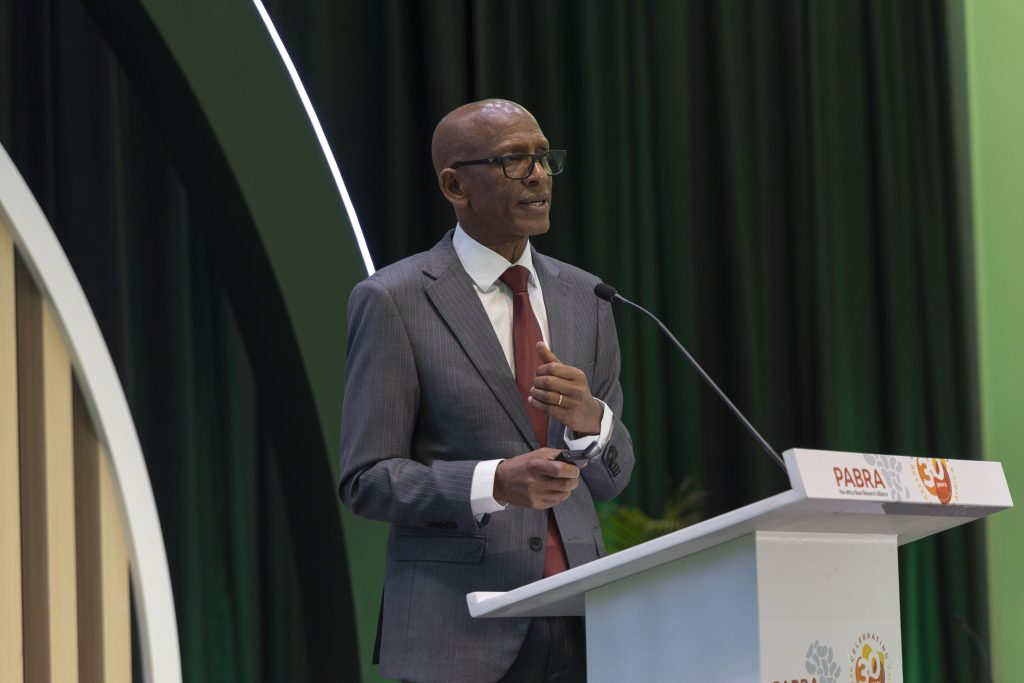
Florence Uwamahoro, Director General of the Rwanda Agriculture and Animal Resources Development Board, cited varieties developed in Rwanda, offering a clear example of what happens when agricultural research moves beyond laboratories and reaches farmers.
Some varieties occupied only about five percent of Rwanda’s bean-growing area in 1985. Today, they account for roughly 45 percent. Some Rwanda-bred varieties are also grown in Tanzania, Uganda, Cameroon and Burundi.
“Sometimes it is about the economic opportunities that such initiatives create. For example allowing more women to participate in business, opening opportunities for youth, and connecting producers to expanded markets,” she said.
Innovation has also been designed around what happens after harvest. Some improved varieties can reduce cooking time by about 30 percent, cutting the time and firewood required to prepare beans.
That thinking now extends into school nutrition. The Scale Sustainable School Feeding Innovation Project is being implemented in 509 schools across Karongi, Nyamasheke and Rusizi, targeting more than 445,000 schoolchildren.
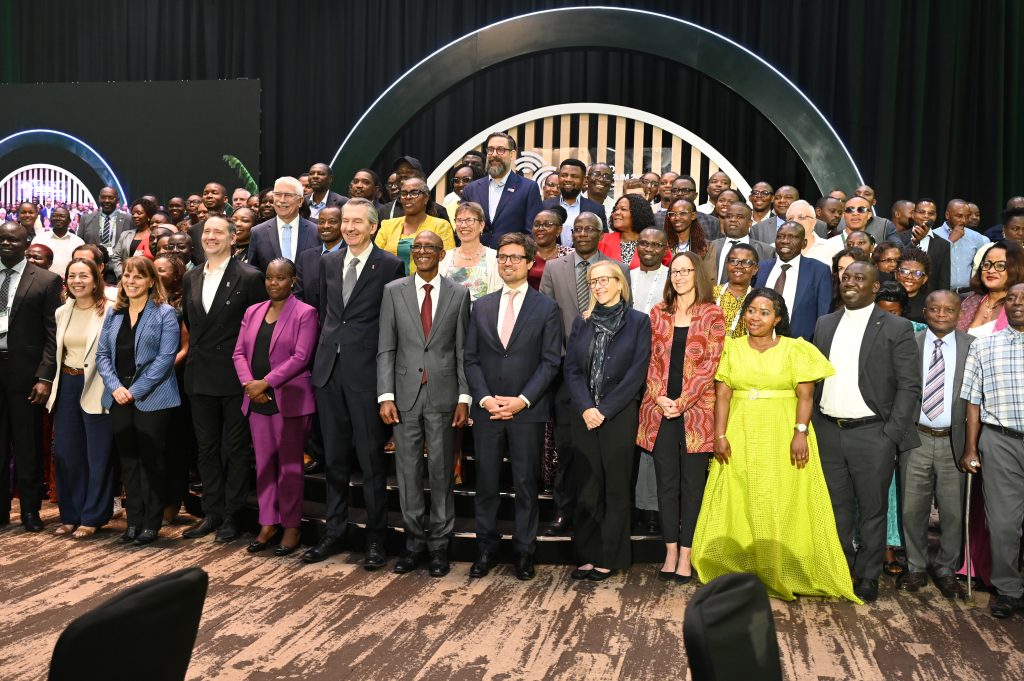
Jean Damascène Nsengiyumva, Director General of School Health and Wellness at the Ministry of Education, said the approach recognizes that nutrition begins long before a meal reaches a child.
“A nutritious school meal begins in the soil, the seed, the farmer, the school garden, the knowledge of the teachers and the communities long before it reaches the plate,” he said.
More than 1,000 school staff and 1,000 teachers have been trained in high-iron bean and vegetable production, nutrition and post-harvest management.
Beyond the bean
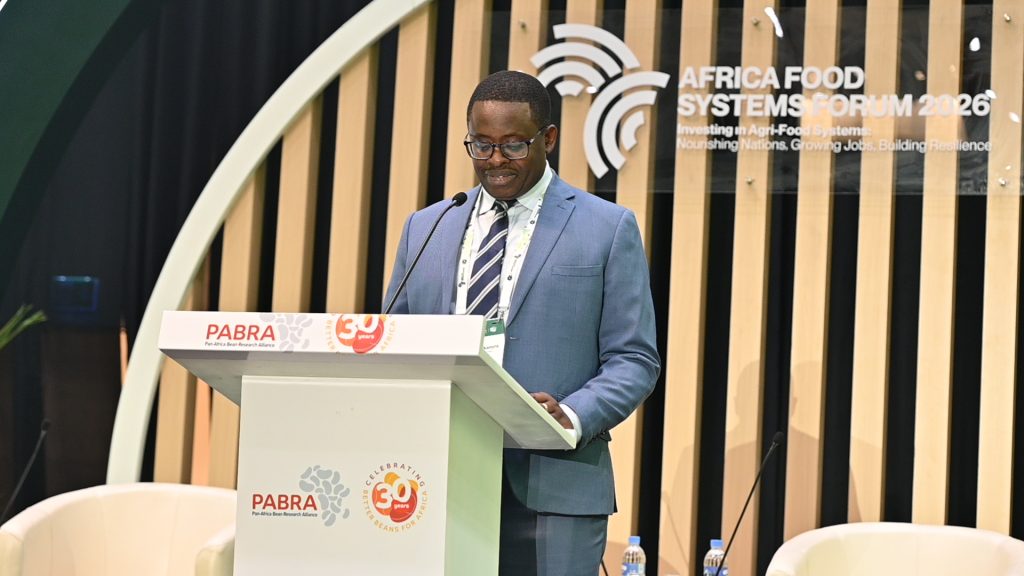
But PABRA’s 30th anniversary offers a test of whether agricultural research can become useful at every stage of the food system beyond the number of varieties developed or farmers reached.
The challenge of how Africa’s farmers confront climate pressures while populations and cities expand and consumers demanding more nutritious food is becoming more urgent.
Applying three decades of collaborative research to the wider food system gives new meaning to a journey that began with questions among researchers and has grown into a network reaching more than 46 million farmers
Its enduring achievement may not be any single bean variety, but the system built around innovation, moving an idea from researchers to farmers, markets, kitchens and, ultimately, the plates of Africa’s children.