KIGALI – For years, the Sahel has been viewed largely through the lens of drought, food shortages and humanitarian emergencies.
Government officials from the region now want investors to look at it as a market with land, livestock, growing demand and significant room for agricultural expansion.
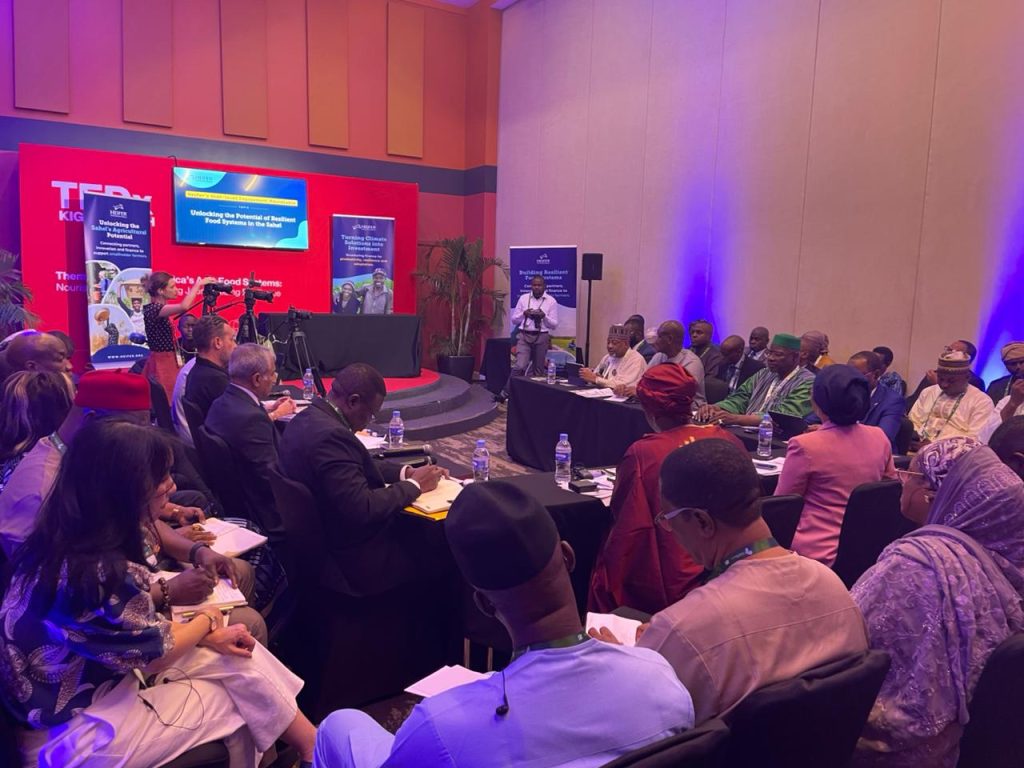
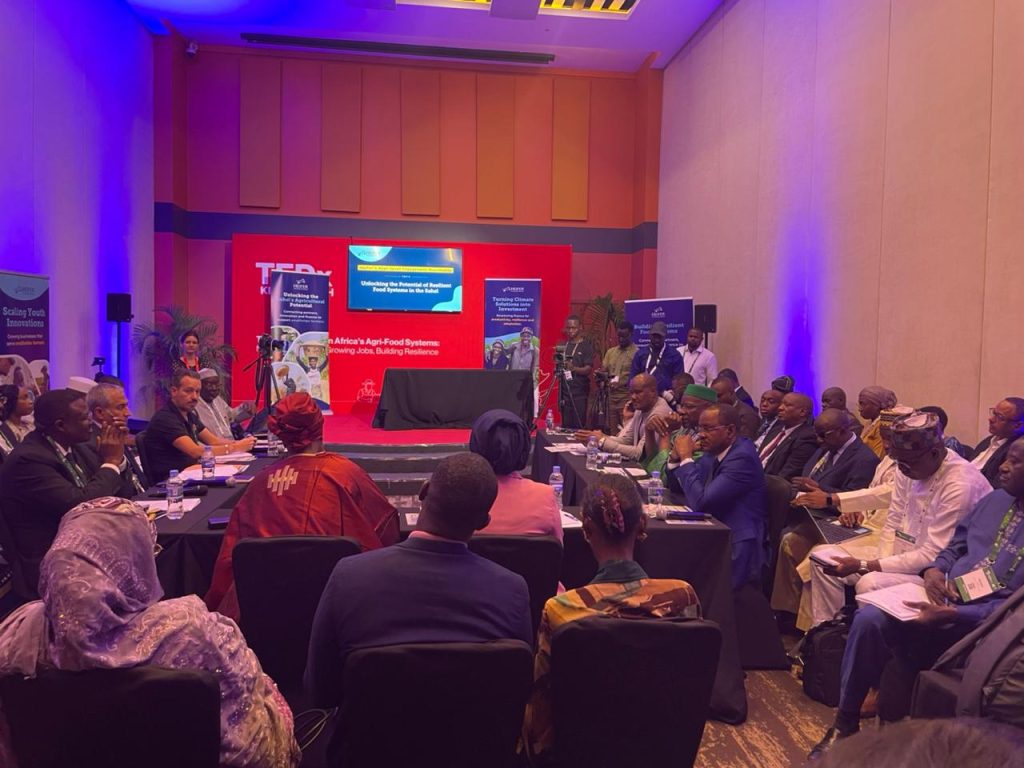
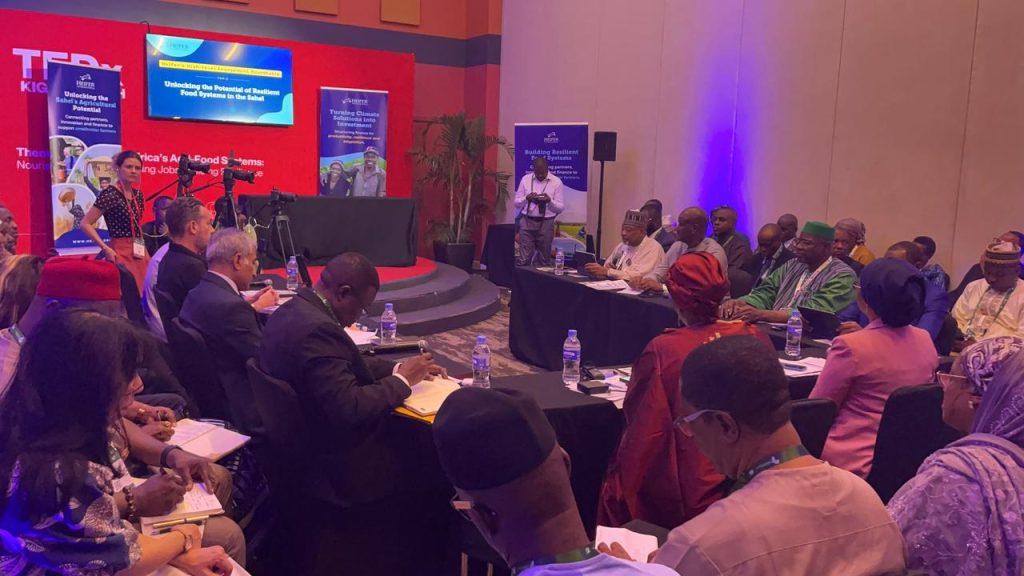
During a high-level discussion on Sahel agri-food systems at the Africa Food Systems Forum in Kigali, officials from Niger and Mali presented investment opportunities in irrigation, livestock, processing and agricultural value chains.
The leaders said that the region cannot build lasting food security by continually responding to crises. It needs productive systems capable of generating food, incomes and jobs.
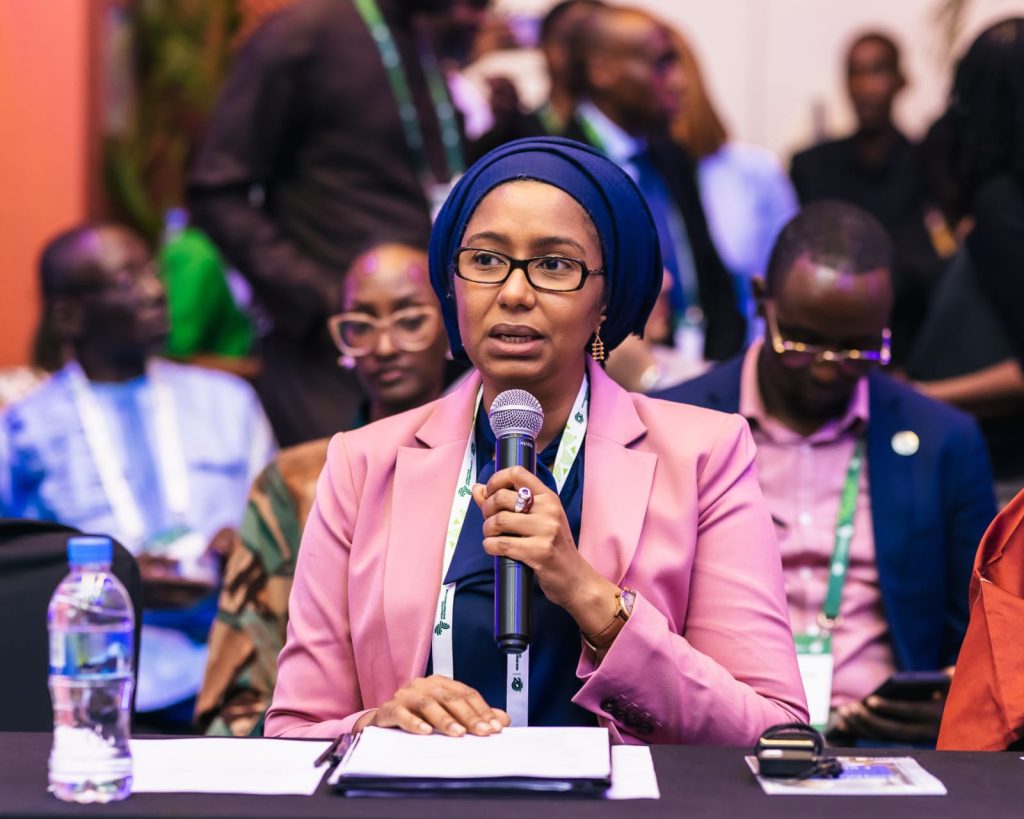
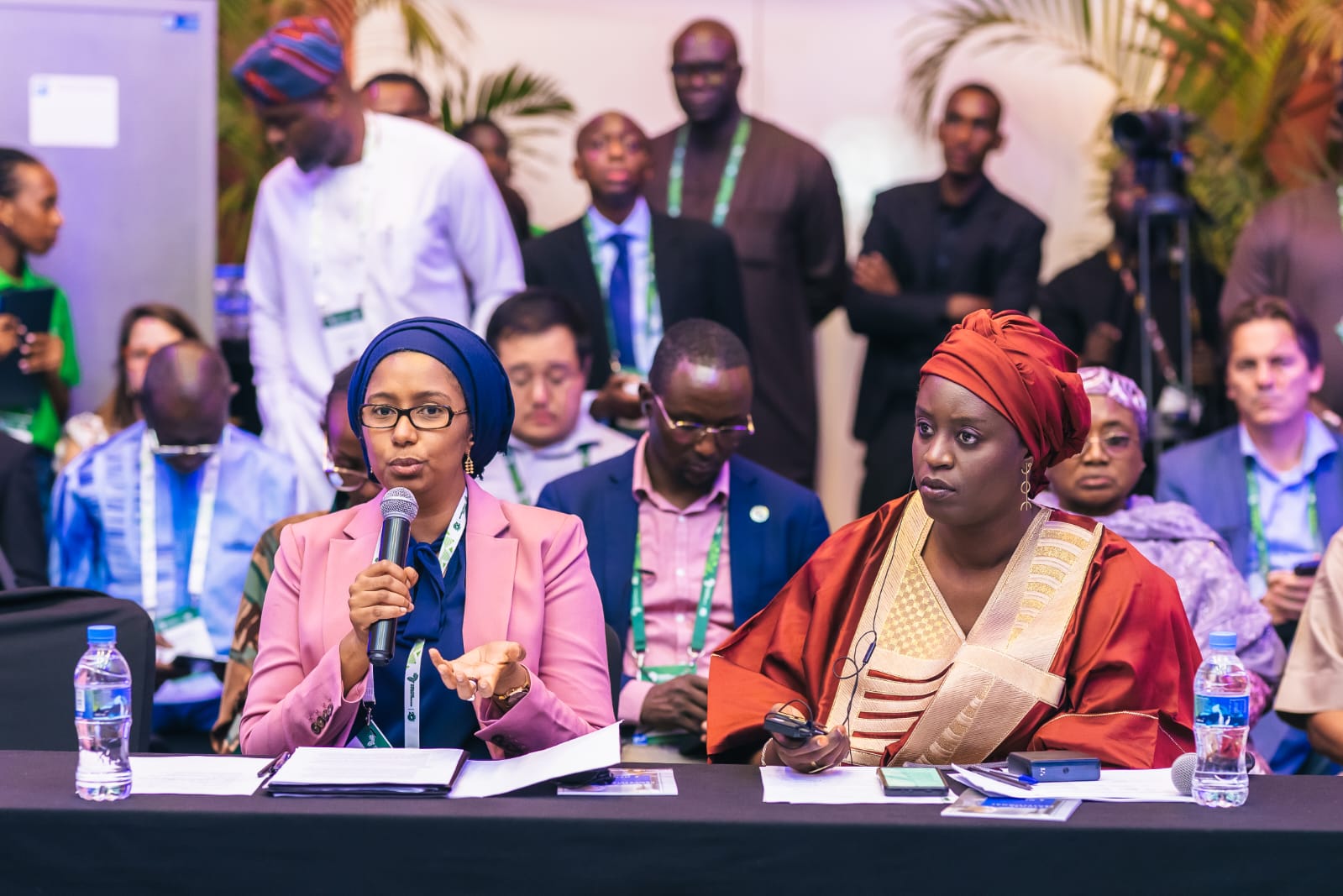
“The Sahel brings a formidable economic opportunity whre rapid population growth would intensify demand for employment, income and business opportunities, making investment in agriculture increasingly important,” said Safia Boly, Senior Vice President for Africa at Heifer International.
Heifer International plans to invest about $40 million across eight African countries, with partnerships expected to account for a significant portion of the financing.
“As development agencies, philanthropies and private investors, we have to pool resources around viable agricultural opportunities as partnership are necessary in all successful operations,” Boly said.
Emphasis put on production
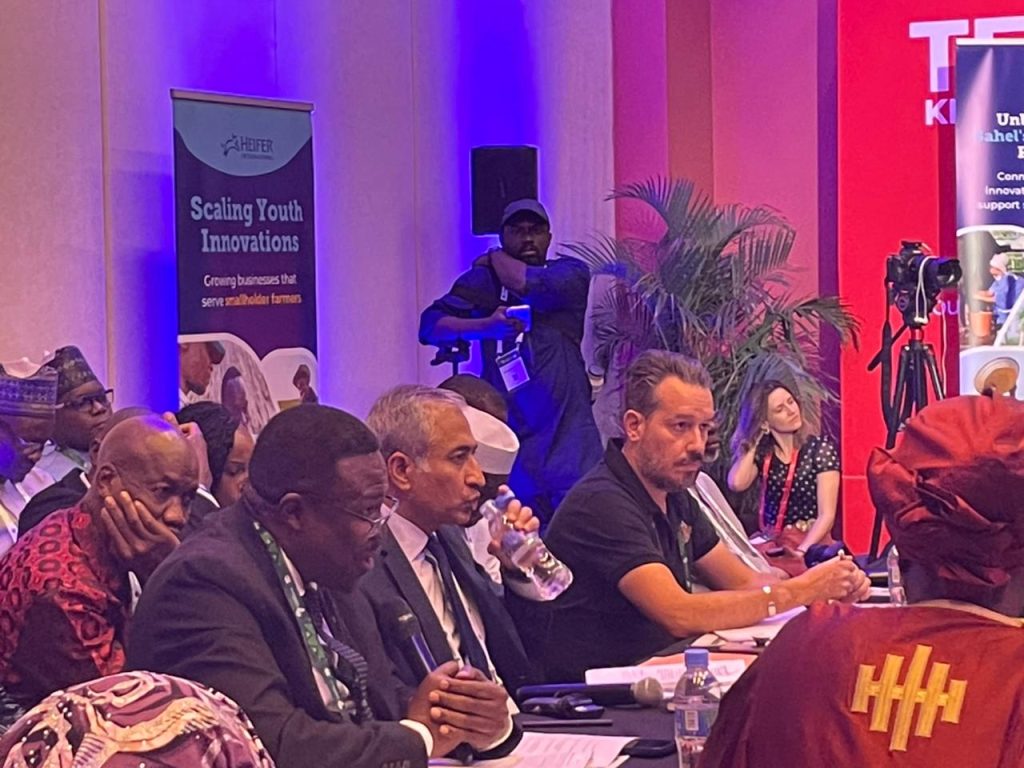
Niger’s Agriculture and Livestock Minister Colonel Mahamane Elhadj Ousmane said his country wants to move away from a model dominated by emergency interventions and build an economy driven by sustained production.
According to him, irrigation is central to that strategy, allowing farmers to produce throughout the year despite increasingly difficult climatic conditions.
“Our large animal population provides a foundation for businesses involved in animal feed, dairy and poultry, while greater domestic processing could allow Niger to retain more value from its agricultural resources, Ousmane said.
Rather than relying mainly on conventional development assistance, Niger is looking for investors willing to share both the risks and opportunities of building these industries.
Mali is presenting a similarly investment-led approach where the country seeks 215 billion CFA francs for livestock and fisheries value chains, 200 billion CFA francs for livestock and 15 billion CFA francs for fisheries.
The proposed programme includes 75,000 hectares of irrigated agriculture, 125 water points and 10 livestock markets, as well as facilities for processing, certification and marketing.
According to the Malian delegation, the investment could generate about 180,000 tonnes of processed meat and create around 80,000 jobs. Women would account for 32,000 of those jobs and young people for another 24,000.
Mali is also developing 11 agro-poles under its agricultural transformation strategy. The model is intended to bring production, processing, transport and markets closer together rather than leaving farmers to sell raw products with limited value addition.
A market beyond national borders
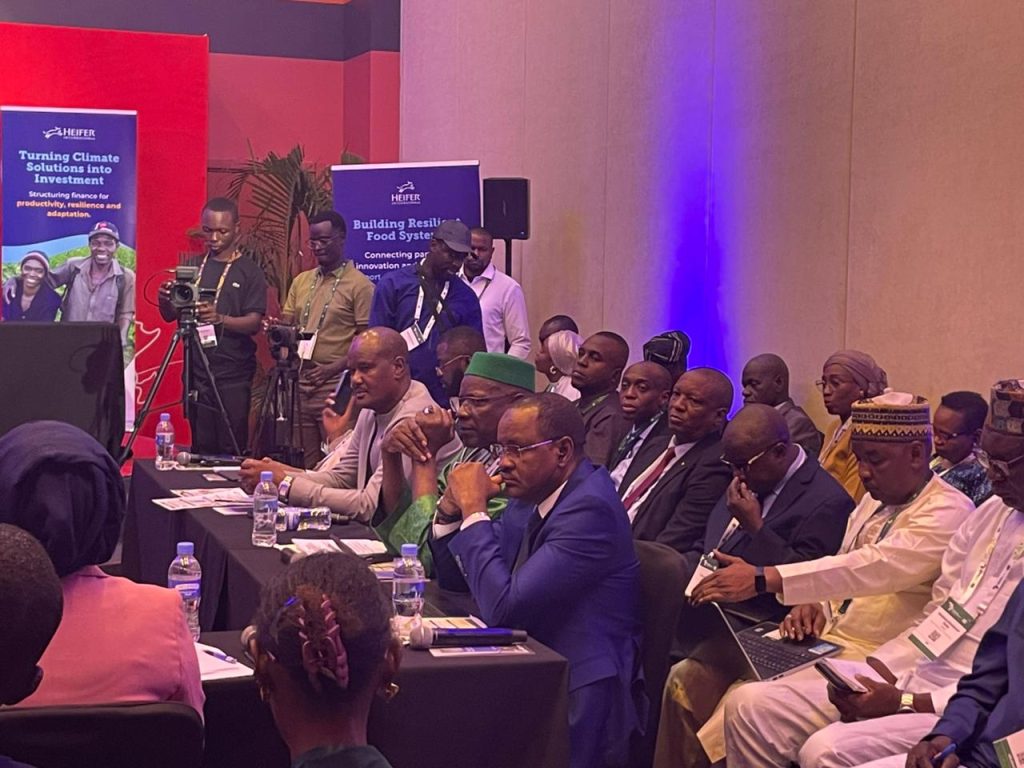
Participants at the Kigali meeting said stronger regional links could allow producers and processors to access wider West African markets, creating opportunities for businesses to operate across borders and increasing the value captured within the region.
The objective is not simply to produce more raw commodities, but to build processing industries capable of creating jobs, raising incomes and supplying growing regional markets.
For countries facing financing constraints, however, turning those opportunities into functioning businesses will require more than government spending.
Concessional and low-cost financing could help create the conditions needed to attract larger-scale commercial investment, making partnerships between governments, development finance institutions, philanthropies and private investors central to the transformation.
Niger’s ambitions also include expanding dairy production and processing, an area where officials see significant potential given the country’s livestock base and domestic demand for milk.
These proposals reveal both the scale of the opportunity and the size of the financing challenge. Irrigation, livestock infrastructure, processing plants, water systems and market facilities require capital that governments alone cannot provide.
That is why officials are increasingly presenting agriculture not simply as a food-security intervention but as an investment sector capable of supporting employment and industrial development.
Whether the Sahel can attract enough investment to build agricultural economies that are less vulnerable to recurring crises and more capable of creating jobs and supplying growing markets remains to be seen.
Making that transition a reality will require a new narrative of the Sahel as one that puts production ahead of permanent crisis response, investment ahead of dependency and an opportunity within its vast potential.