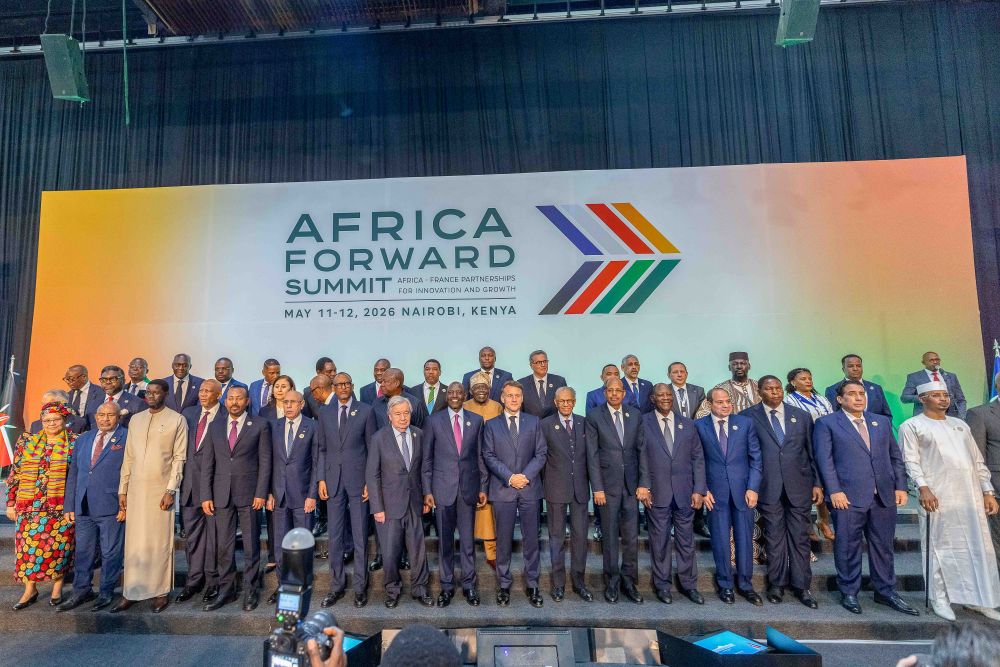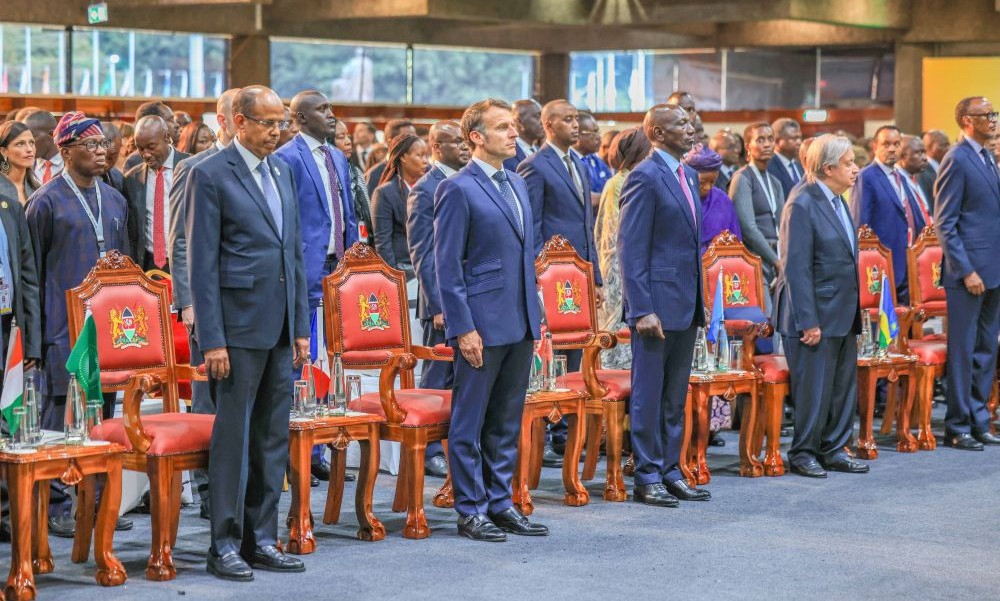
NAIROBI – The Africa Forward Summit in Nairobi has brought into sharp focus long-standing concerns over how Africa is positioned within global political and financial systems, with leaders calling for a shift from aid-based relations to investment-driven and equal partnerships.
United Nations Secretary-General António Guterres warned that Africa’s exclusion from global decision-making is no longer sustainable. “A global system designed without Africa is still largely operating without Africa,” he said, underscoring what he described as structural gaps in representation, finance, and global governance.
The summit, hosted by Kenyan President William Ruto alongside French President Emmanuel Macron, brought together heads of state, development institutions and private sector leaders to rethink Africa’s economic engagement with the world. President Paul Kagame also attended.
Leaders Reject Aid Model, Push Investment Logic
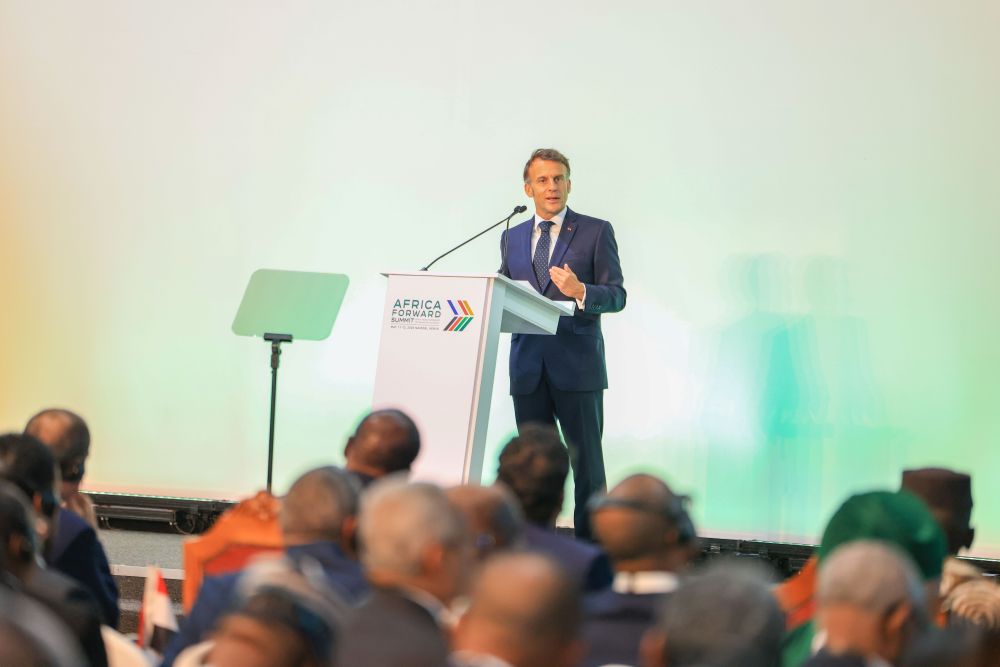
French President Emmanuel Macron used his address to mark a clear break from traditional aid narratives that have long defined Africa–Europe relations. “What I’m offering is not assistance. Those days are behind us,” Macron told the summit.
He argued that the relationship must now be based on co-investment and shared economic interest rather than dependency structures.
Macron stressed that Africa must be treated as an equal economic partner, not a recipient of external support, adding that future cooperation should focus on value creation, industrialization and joint investment in strategic sectors.
He also announced €23 billion in investment commitments tied to African economies, targeting energy, agriculture, technology and manufacturing.
Africa Demands Control Over Its Development Path
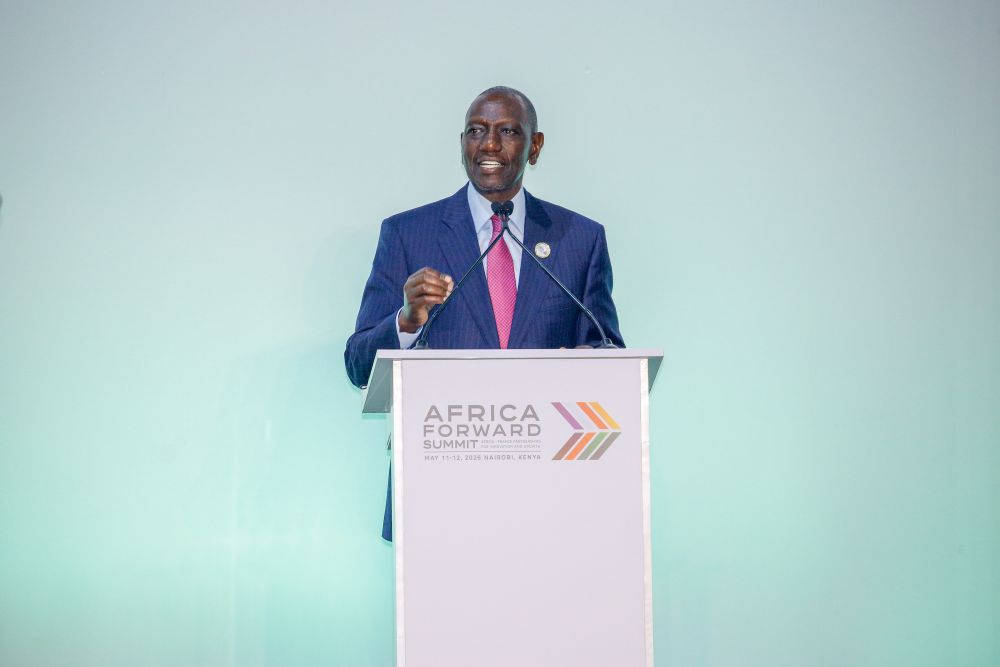
On his part, Ruto placed emphasis on Africa’s financial independence and the need to shift away from externally driven development models. “Africa must increasingly finance Africa,” he said, pointing to the continent’s untapped domestic capital base, including pensions, sovereign funds and savings.
He argued that Africa’s core challenge is not scarcity of resources but the structure of global finance, which continues to make capital more expensive and less accessible for African economies.
Ruto also highlighted what he described as distortions in global credit systems that fail to reflect Africa’s actual economic performance and potential.
Global Institutions Under Pressure to Reform
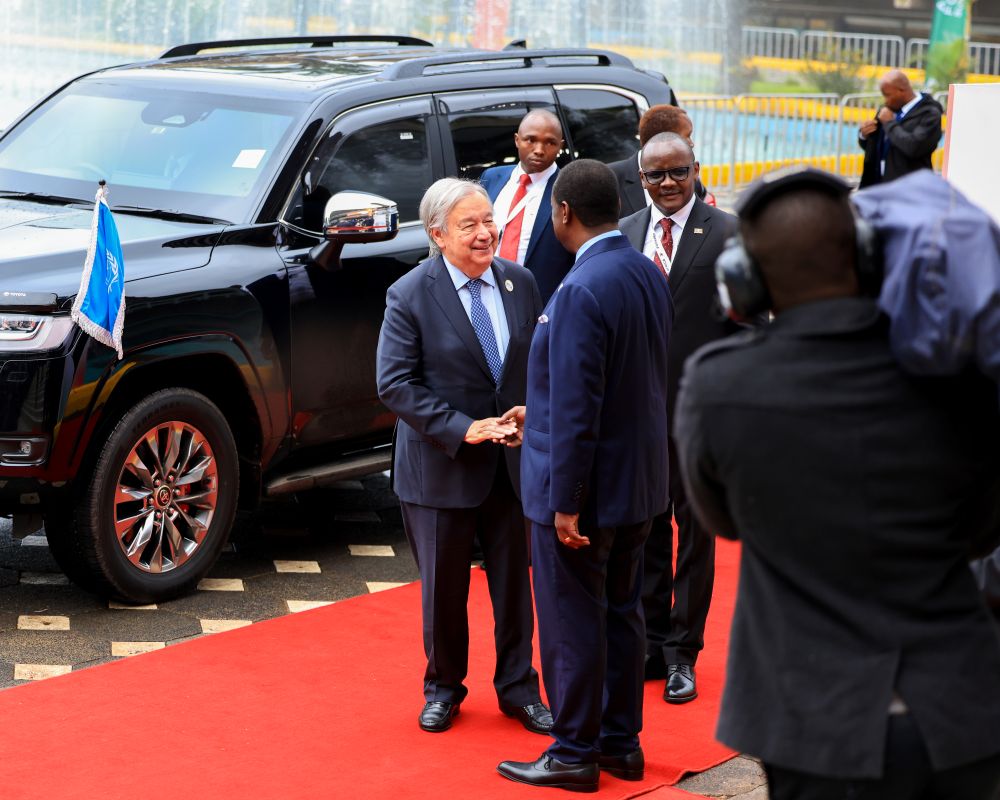
Guterres expanded on the structural argument, pointing to the gap between Africa’s global importance and its representation in international institutions. He noted that Africa remains underrepresented in key global decision-making bodies despite its population size and economic relevance.
He also drew attention to persistent imbalances in global investment flows, particularly in climate and energy financing, where Africa remains heavily underfunded despite its vast renewable potential.
Across the discussions, there was broad agreement that the current global system does not reflect present-day realities and requires significant reform to become more balanced and inclusive.
Forging a New Economic Relationship
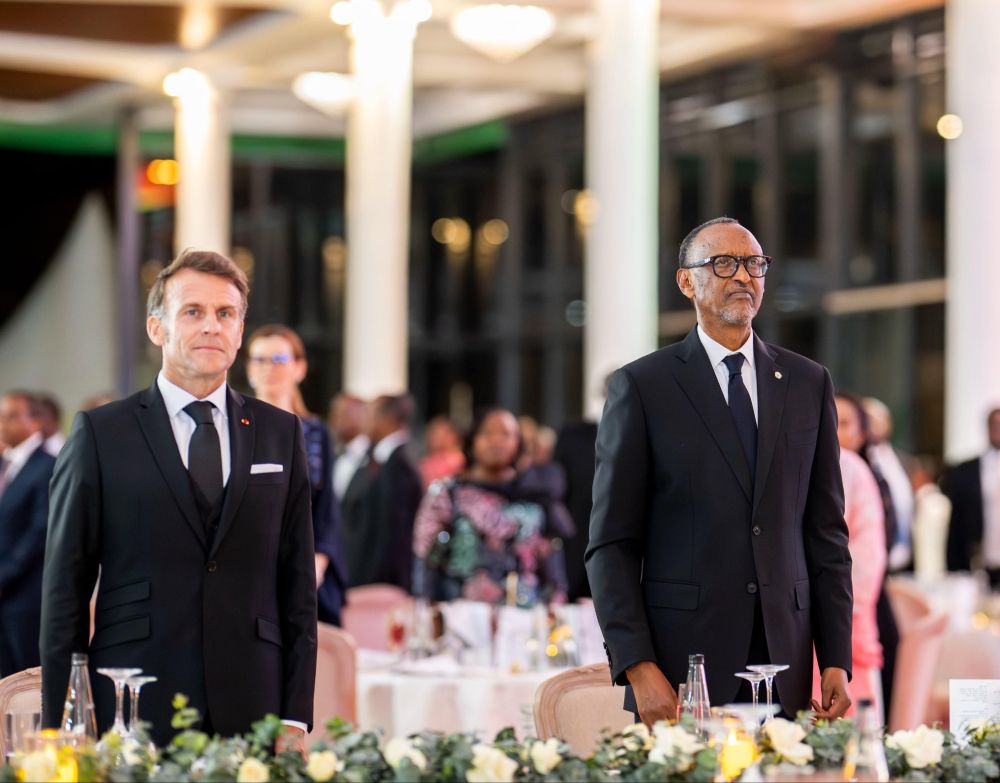
Notably, Ruto called for stronger African financial institutions capable of mobilizing domestic capital for infrastructure, industrialization and energy transformation. Thereby shifting Africa’s relationship with the world from dependency to negotiation, and from aid to investment.
As formal policy frameworks await announcement, the push for investment-led partnerships, greater African financial autonomy, and reforms in global governance and credit systems have stood out.
The Africa Forward Summit ultimately reflected a clear position that Africa is no longer framing its development around external support, but around economic leverage, structural reform and equal participation in global decision-making.