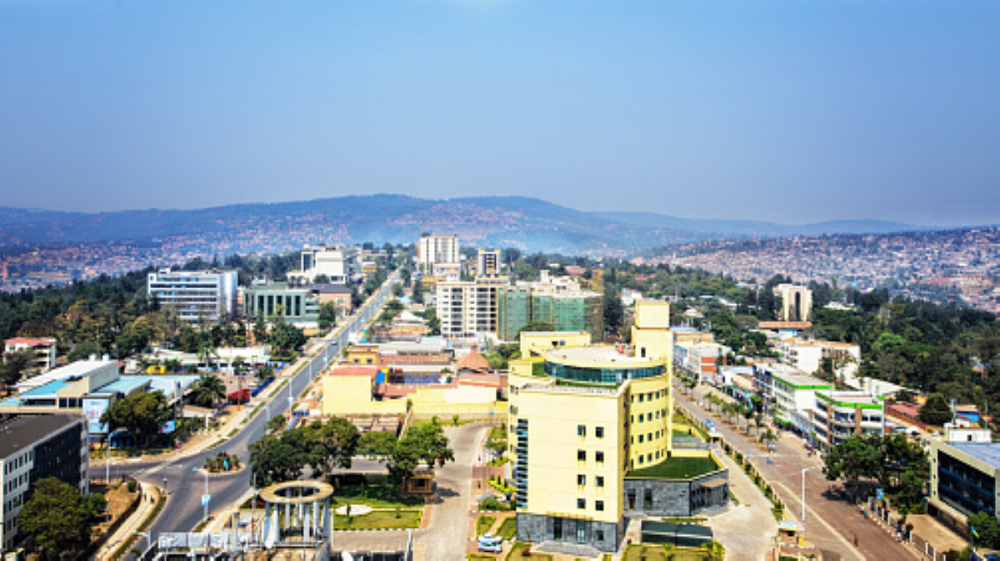
KIGALI – Rwanda is preparing to spend more money than at any other point in its history, unveiling a proposed Rwf 7.8 trillion national budget that reflects both the country’s growing economic ambitions and the mounting pressure of an unstable global economy.
The draft 2026/27 budget, presented under the Second National Strategy for Transformation (NST2), is designed to sustain economic growth, finance major infrastructure projects and shield the economy from rising global shocks linked to insecurity in the Middle East.
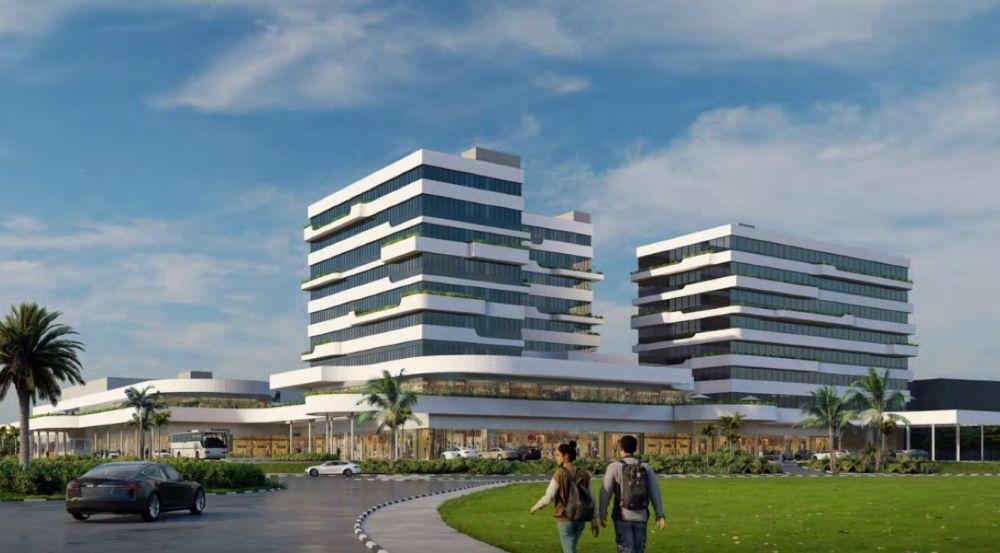
Presented before Parliament and the Senate by Finance Minister Yusuf Murangwa, the proposed spending plan increases by Rwf 844.2 billion from the current year’s Rwf 6.95 trillion budget, with much of the additional funding directed toward strategic projects including the New Kigali International Airport in Bugesera and support for RwandAir.
Government planners say the budget is intended to keep Rwanda’s development momentum alive despite growing pressure from rising commodity prices, external debt obligations and global market instability.
Rwanda’s economy is expected to grow by 6.8 percent in 2026 before rising to 7.2 percent in 2027, maintaining one of the strongest growth projections in the region. The country’s GDP has expanded steadily over the past decade, driven largely by construction, services and public investment.
Building Growth Through Infrastructure
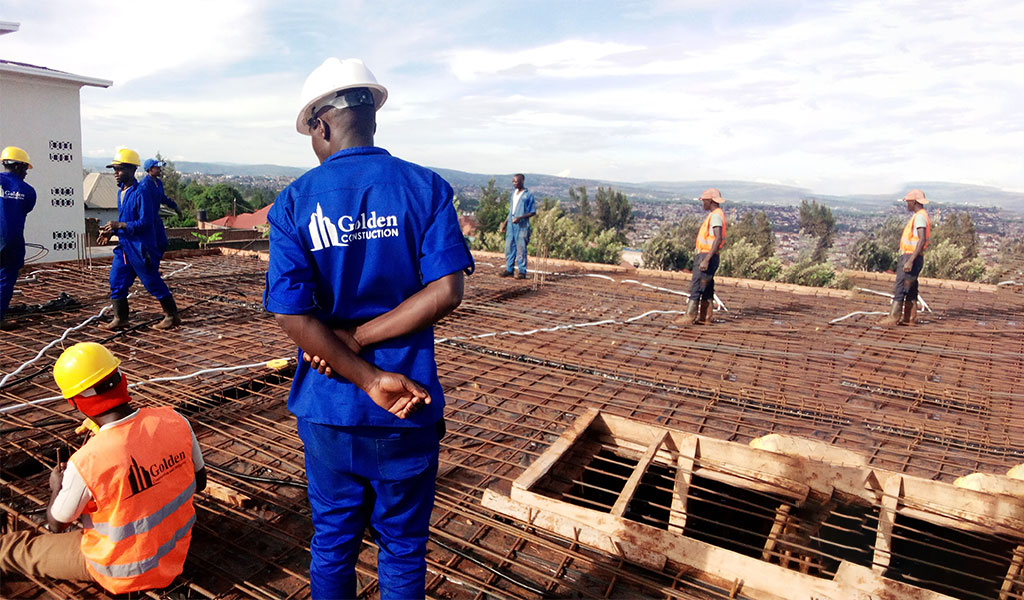
A major share of the budget focuses on infrastructure and industrial growth. The government says investments in roads, energy and transport are central to sustaining that expansion.
Plans include completing ongoing projects such as the Nyabarongo II hydropower plant, expanding electricity distribution to households and improving water access through new piped water systems.
Industrialization is projected to grow by 11.5 percent in 2026, while the services sector, including tourism, transport and business services, is expected to grow from 6.1 percent in 2026 to 7 percent by 2028.
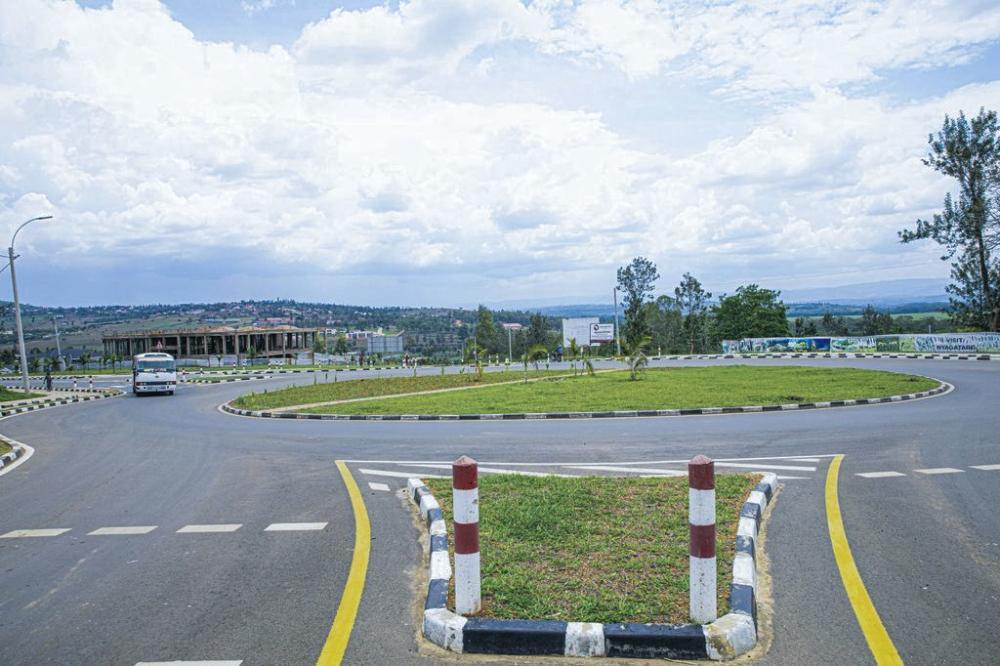
Authorities also want to improve road connectivity by constructing more roundabouts and transport routes in urban areas facing increasing congestion.
The budget further prioritizes attracting investors into manufacturing and increasing exports of Made-in-Rwanda products as Kigali pushes to strengthen local production and reduce dependency on imports.
However, imports linked to large construction projects are expected to widen Rwanda’s trade deficit to 34.5 percent.
Agriculture, Health and Social Welfare
Although infrastructure dominates the spending plan, agriculture remains one of the government’s key priorities. Agricultural growth is projected at 3.7 percent in 2026, increasing gradually to 5.7 percent by 2028.
The government plans to invest in fertilizer distribution, quality seeds, irrigation, climate change mitigation and agricultural insurance as part of efforts to strengthen food security and protect farmers from unpredictable weather conditions.
Livestock services, fisheries, coffee and tea production are also expected to receive additional support.
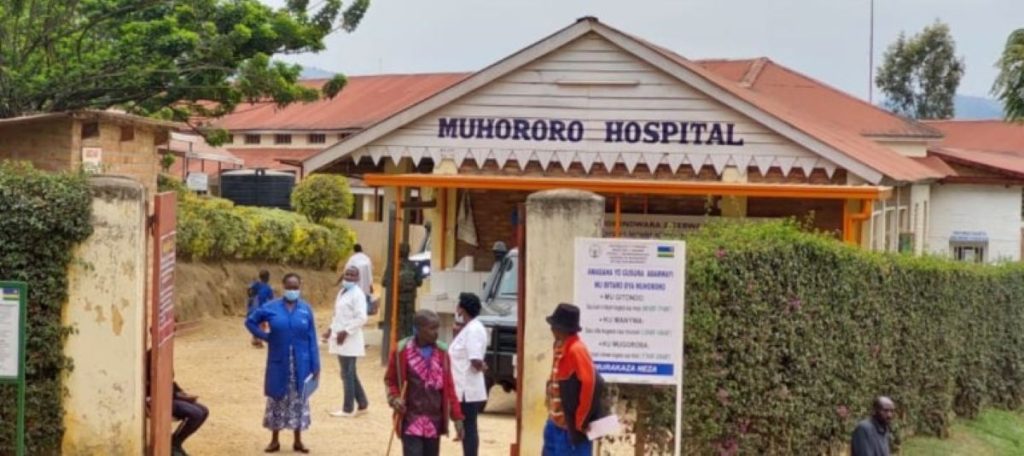
The budget allocates funding toward social services as well. In health, Muhororo, Kabwayi and Ruhengeri hospitals are set for upgrades, alongside the construction of a modern maternity ward at Kibagabaga Hospital.
Education projects include building more classrooms in districts facing growing enrollment pressure such as Gasabo, Rubavu and Musanze districts, recruiting more teachers and expanding the school feeding program.
The government also plans to continue investing in digital services across sectors including justice, agriculture, finance and social welfare. Environmental protection remains another major focus, with plans for reforestation, wetland restoration and further development around Volcanoes National Park.
Debt Concerns Emerge
Despite the ambitious development agenda, lawmakers have already raised concerns over the country’s growing debt burden and the rising cost of living. Rwanda’s external debt is now estimated at roughly 73 percent of GDP, prompting questions from Senators and Members of Parliament about long-term sustainability.
Concerns were also raised about increasing tax pressure on citizens and the gradual reduction of agriculture’s share in the national budget despite the sector employing the majority of Rwandans.
To finance the budget, the government expects to collect Rwf 5.3 trillion from domestic revenues while external grants and donations will contribute Rwf 548 billion. Foreign loans are projected at roughly Rwf 1.2 trillion.
Meanwhile, inflation caused partly by global instability pushed commodity prices up by an average of 8 percent during the first quarter of the year.
Authorities say prices are expected to stabilize within the normal range afterward, but officials acknowledge that external shocks continue to shape domestic budget decisions.
Ultimately, the proposed budget reflects a government determined to continue investing heavily in long-term growth even as global economic pressure intensifies.
The challenge ahead will be balancing that ambition with rising debt levels, public concerns over taxation and the increasing cost of living facing ordinary Rwandans.