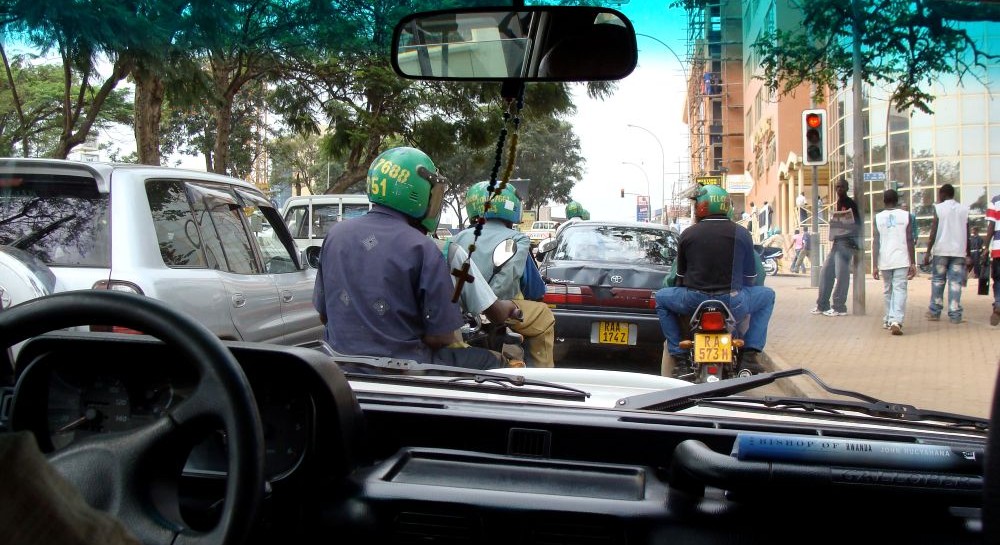
Kigali, Rwanda – Rwanda’s Parliament has intensified scrutiny of traffic laws as lawmakers and the government seek to address dangerous gaps that have encouraged risky driving behaviour, particularly motorists fleeing police checks.
The lawmakers also want a clarification on what constitutes illegal mobile phone use behind the wheel as a broader effort to strengthen road safety, ensure fairness in enforcement and align penalties with the real risks posed on the roads.
MPs Valens Muhakwa and Speciose Ayinkamiye raised alarm over what they described as a growing tendency among drivers to ignore police stop orders as a way of avoiding harsher punishment.
Ayinkamiye highlighted the imbalance in the current legal framework, noting that a motorist found driving under the influence of alcohol can face between seven days and two months in prison, alongside a fine of 150,000 Frw and the temporary impounding of their vehicle.
As provided for under Article 10 of the 1987 law, a driver who refuses to stop when ordered by an authorized officer is often punished only with a minor fine for disobedience.
“In the end, the person who stops is punished more severely than the one who runs away. I want to know whether there is a specific penalty provided for this behaviour.” Ayinkamiye argued, insisting that failure to stop should equally attract significantly heavier sanctions.
Muhakwa reiterated the call, warning that defying police orders is inherently dangerous and frequently leads to serious accidents.
“Refusing to stop is in itself a serious matter. Sometimes it causes accidents that even claim lives. If this issue has been discussed for inclusion in regulations, it should also be provided for in the law and treated as a criminal offence rather than a simple mistake,” he said.
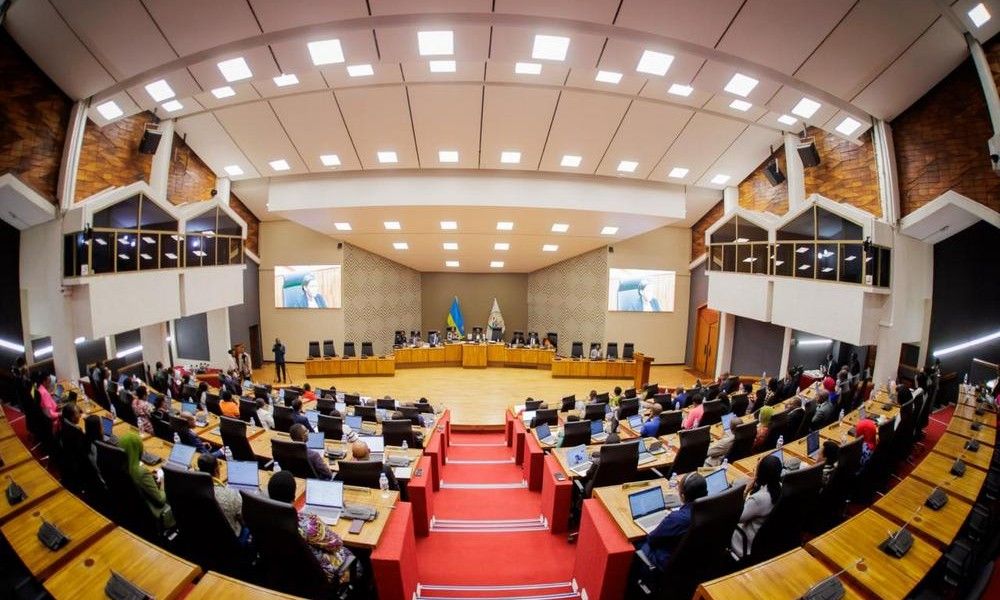
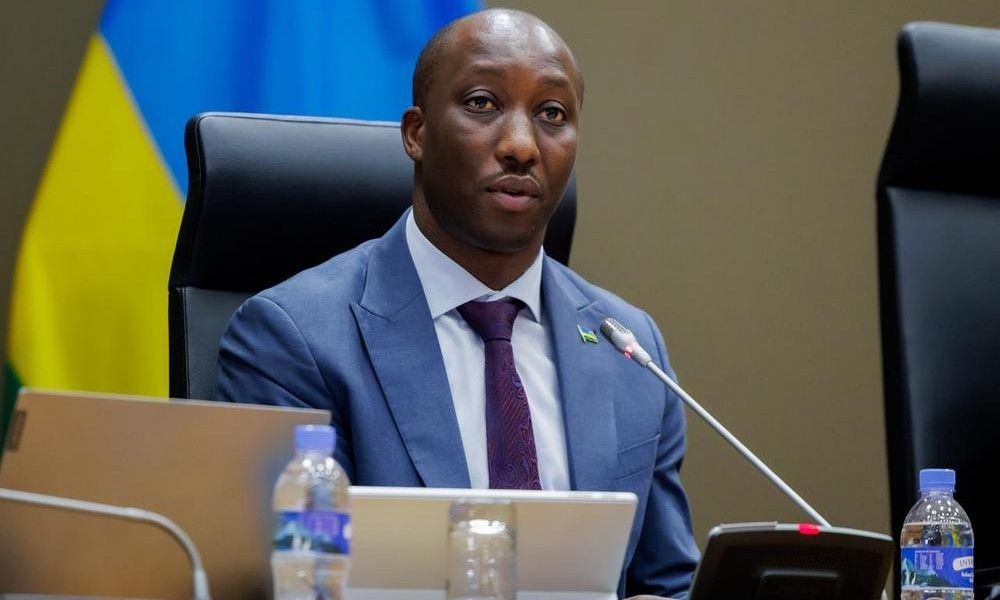
Responding to the concerns, Minister of Infrastructure Dr Jimmy Gasore acknowledged shortcomings in the existing draft law, explaining that current provisions can unintentionally reward non-compliance.
He noted that a driver who stops and is tested risks criminal charges if found drunk, while one who flees avoids testing and faces only a minor offence. “Even this week we have seen this behaviour clearly,” he said.
“We recorded three separate accidents, all of which killed police officers because a driver refused to stop and fled. Unfortunately, officers lost their lives. This is something that needs to be addressed by closing the existing gaps,” Gasore explained.
He added that if a driver injures or kills someone after refusing to stop, the act is considered intentional and can attract a life sentence if convicted in court.
Gasore also clarified changes regarding mobile phone use while driving whereby using a phone is only an offence if the driver is physically holding it. He stressed that the law targets actions which directly increase accident risk, such as texting, holding the phone to the ear or watching videos.
“If the phone is placed down and connected to the vehicle, that is not considered an offence. It is treated the same as talking to someone seated with you in the vehicle. I wanted to clarify that,” he said.
The reforms also introduce a demerit points system, combining clearer rules with tougher accountability.
Together, the proposals reflect Rwanda’s push to discourage reckless conduct, protect law enforcement officers and save lives by ensuring that traffic laws punish the most dangerous behaviour rather than unintentionally encouraging it.