KIGALI – The decision to hold this year’s All-Africa Leadership Summit in Rwanda, organizers say, was in search of a place that reflects the kind of leadership they believe Africa needs in making decisions about how it is used.
The conversation was particularly brought to university students at the African Leadership University (ALU) as a way of grooming leaders who will determine how the continent responds to the opportunities and challenges of the AI era.
The summit, which opens on Thursday July 9, 2026 under the theme “Leading in the Age of AI,” comes at a time when Rwanda is gaining greater recognition in global discussions on artificial intelligence.
This week, President Paul Kagame began serving as co-chair of the UN-backed AI for Good Global Commission, adding to the country’s growing profile in conversations about the responsible use of emerging technologies.
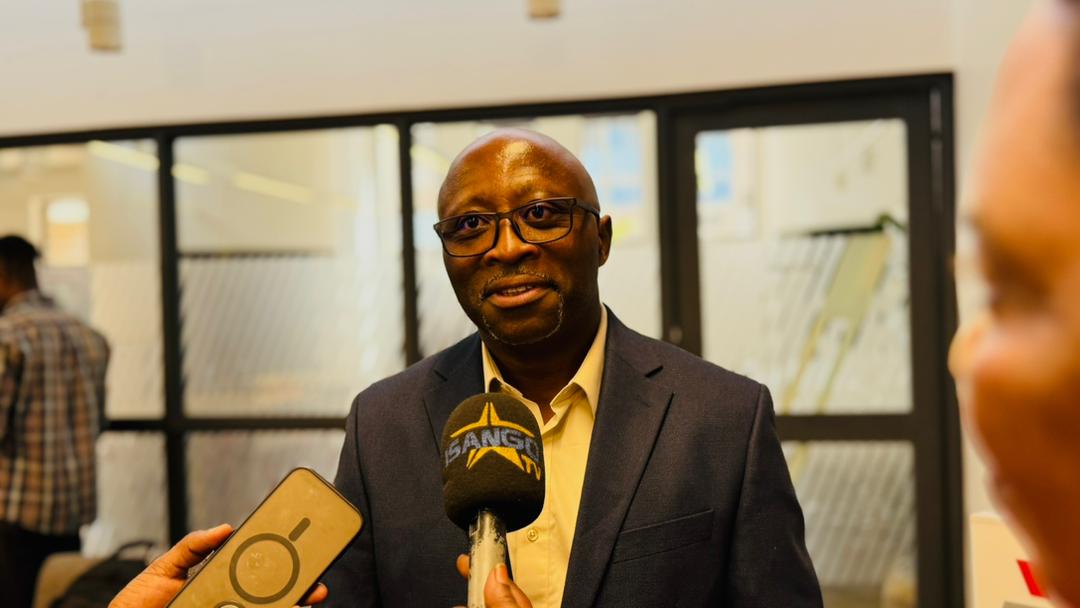
According to Prof. Madison Ngafeeson, the President of LEAD Missions International, Rwanda’s story made it the natural choice to host the gathering.
“We decided that we will come to Rwanda because we wanted to come to a country that inspires the rest of Africa,” he said during a press briefing on Wednesday.
“Rwanda has a very special story in Africa. This is the time Africa learns from Africa. Not everything comes from Europe, China or the United States. We may not have everything right, but we don’t have everything wrong either,” Ngafeeson said.
Ngafeeson said the summit is built around the belief that Africa’s biggest challenge is not a lack of resources or talent, but leadership capable of turning those strengths into lasting progress.
“Everything rises and falls on leadership. Africa does not lack natural resources. We don’t lack human resources. We don’t lack brains. What Africa lacks is leadership. We missed the other three industrial revolutions. We cannot miss the fourth,” he said.
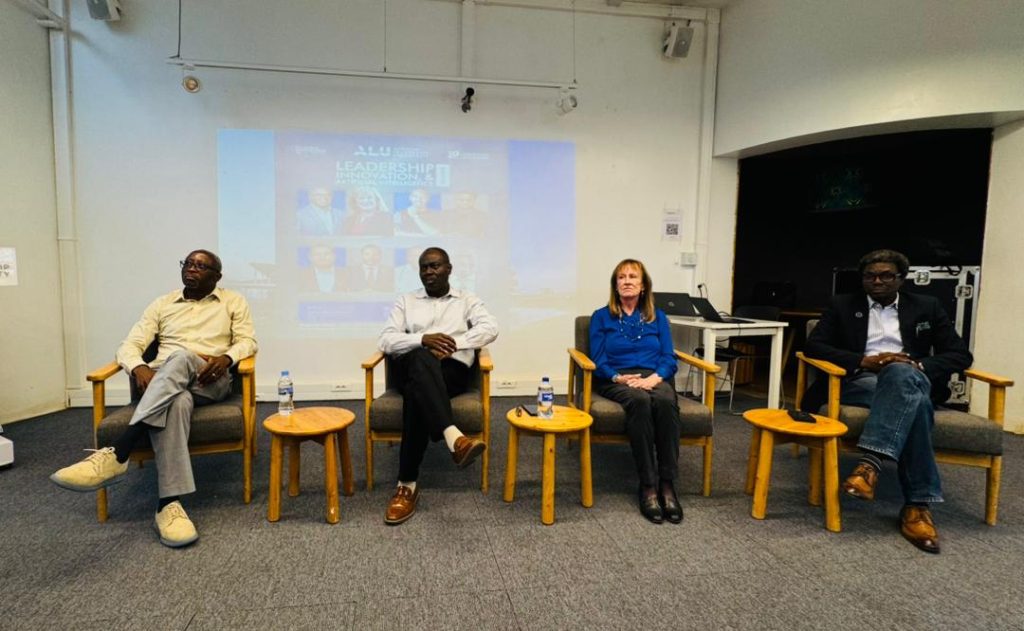
As artificial intelligence reshapes economies, education and public services around the world, there is uniform consensus that the technology itself is only part of the equation. Governments must create the policies, infrastructure and skills needed for AI to improve lives rather than deepen existing inequalities.
Susan Shultz, Chief Executive Officer and founder of the U.S.-based AI company TeamStack.ai, said Africa is in a unique position because it can build on lessons already learned elsewhere.
“The United States is making many mistakes with AI but you can leapfrog ahead of us. You already know what works and what doesn’t,” she said.
Shultz encouraged African countries to put in place strong safeguards on security, ethics and data governance while creating an environment where innovation can flourish.
By holding the induction of local participants at the African Leadership University, the organizers wanted students to be part of the conversation because they will soon inherit the leadership positions that will shape Africa’s future.
“Before you know it, they’re going to be the leaders. If we come and bypass the students, then we would have got it wrong,” Ngafeeson said.
As artificial intelligence transforms the world, Africa’s future will depend not only on adopting new technologies, but on preparing a generation of leaders capable of using them wisely. Rwanda offers an example of how African countries can increasingly learn from one another.
