GENEVA – Today, governments are investing billions, technology companies are unveiling increasingly powerful artificial intelligence models, and policymakers are racing to write rules for a technology many believe could reshape economies.
Yet amid the accelerating global race to dominate artificial intelligence, President Paul Kagame is urging the world to focus on not who wins the AI race, but who benefits from it.
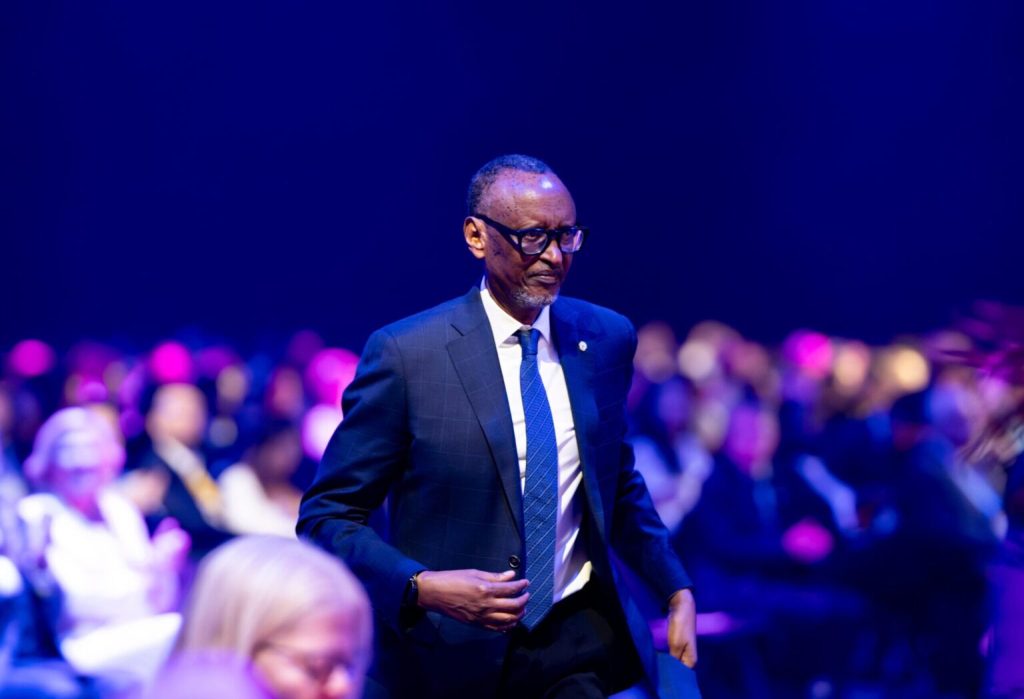
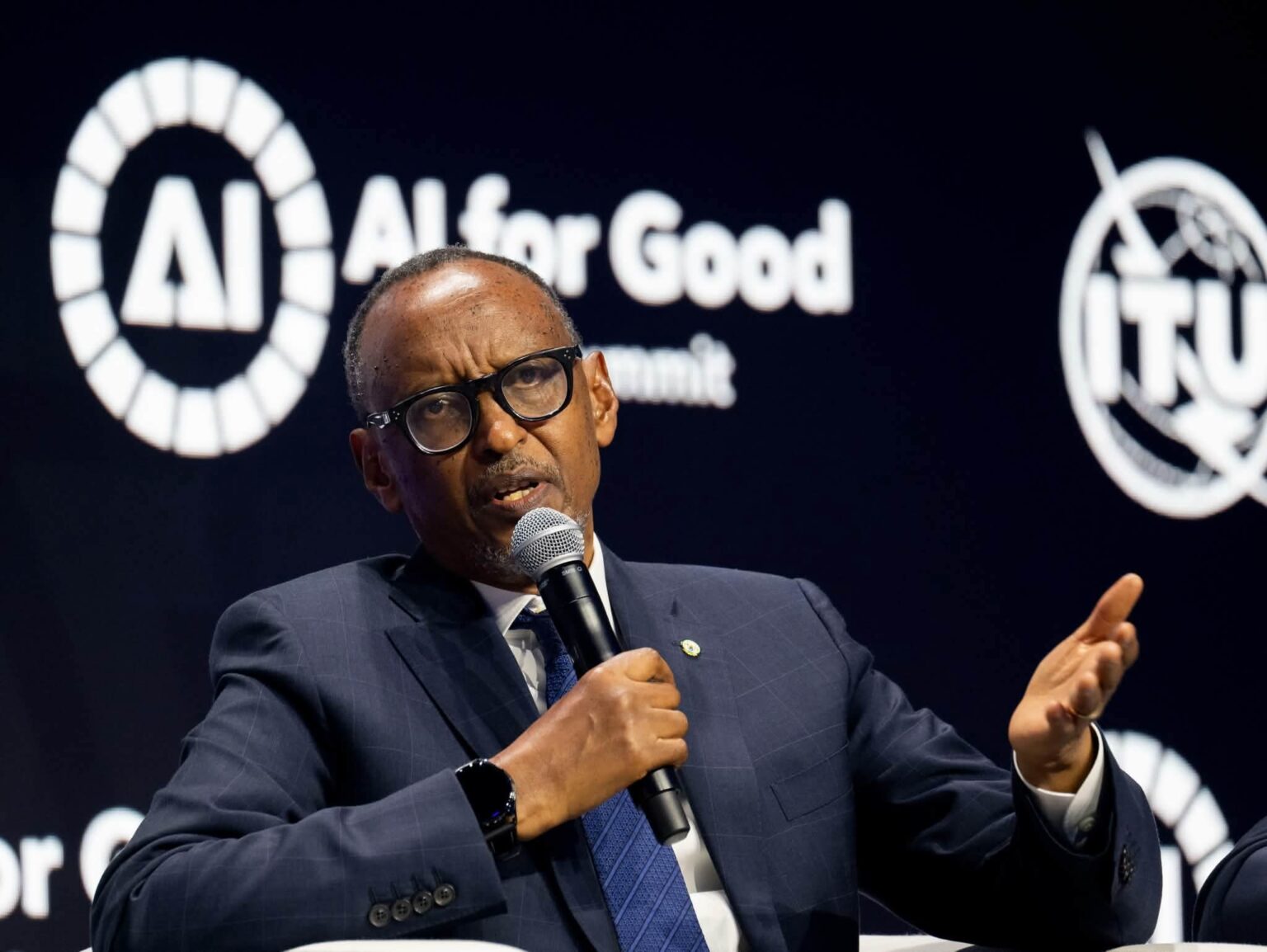
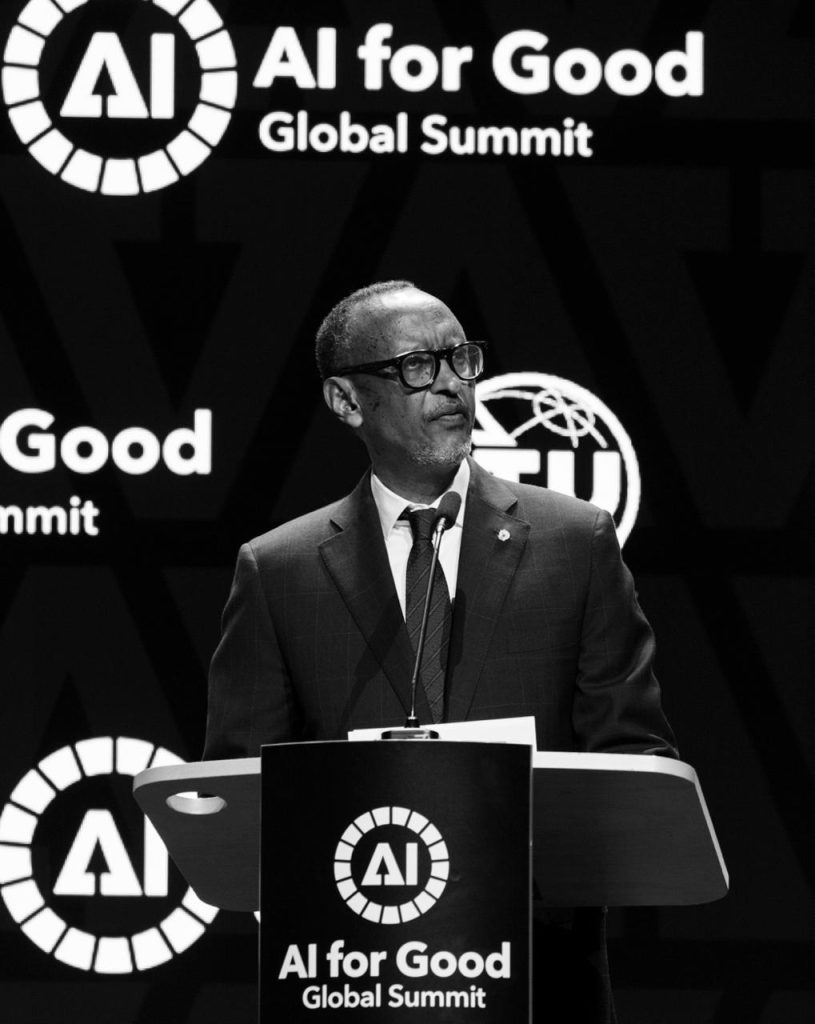
Speaking at the AI for Good Global Summit in Geneva, Kagame argued that the future of AI should not be defined by geopolitical competition or technological supremacy. Instead by whether it expands opportunity, reduces inequality and helps solve real-world challenges.
That message placed Rwanda among countries seeking to shape the global AI conversation at a time when concerns are growing that the technology could widen the gap between nations with advanced digital infrastructure and those still struggling to build it.
From AI consumers to AI builders
For Kagame, Africa’s biggest challenge is not a lack of talent but a lack of opportunity.
“Talent exists everywhere but the opportunity to use it does not,” he told world leaders, technology executives and researchers gathered at the summit.
His argument is that if Africa invests now in digital infrastructure, education and responsible governance, the continent can become a creator of AI solutions rather than simply importing technologies developed elsewhere.
He outlined three priorities that he believes will determine whether AI becomes an engine of inclusive development: expanding digital infrastructure, equipping young people with relevant skills and building governance systems that encourage innovation while earning public trust.
“We must be intentional about designing, funding and governing AI so that it can reach its full potential,” Kagame said.
His remarks come as countries around the world compete to attract AI investment, develop advanced computing capacity and secure the skilled workforce needed to power the next generation of digital economies.
For Africa, however, the conversation is also about ensuring the continent is not left behind in a technological transformation expected to influence healthcare, education, agriculture, manufacturing and financial services.
Rwanda has already begun integrating artificial intelligence into public services through the country’s Health Intelligence Center, which uses real-time data analysis to detect disease outbreaks early and support faster public health decisions.
A new global conversation on AI
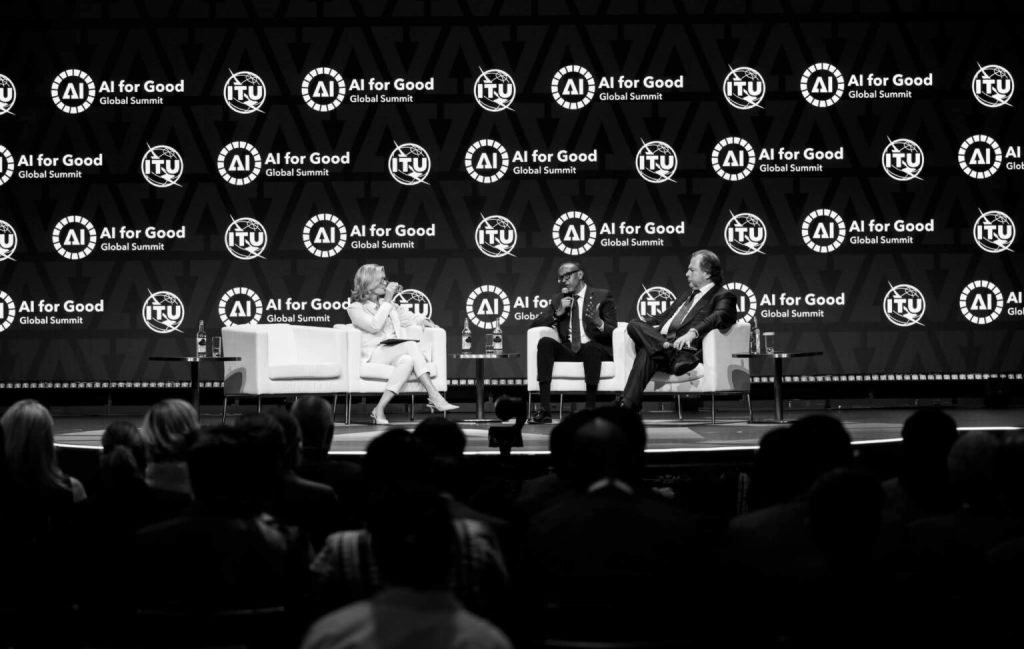
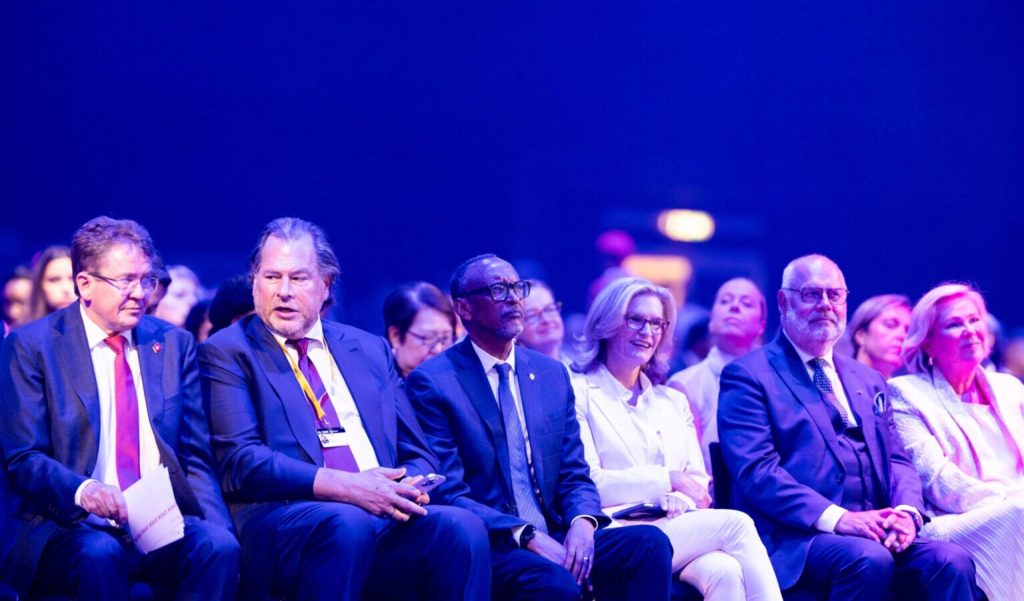
During the summit, Kagame accepted another international responsibility, co-chairing the newly launched AI for Good Global Commission with Salesforce Chief Executive Marc Benioff.
The United Nations-backed commission, established by the International Telecommunication Union (ITU), brings together governments, technology companies, investors and civil society to promote international cooperation on the responsible development of artificial intelligence.
Kagame admitted that after spending more than 15 years co-chairing the Broadband Commission, he had considered stepping back from such global assignments.
“I thought I needed to take a break,” he said with an infectious smile. “But this is a very good task to carry out.”
He believes the new commission should build on the Broadband Commission’s success, which helped expand internet connectivity across the world, including Africa, by encouraging governments and the private sector to work together.
That same partnership, he argued, will be even more critical in the AI era.
“Neither public sector nor private sector alone would deliver what is expected by the global communities,” Kagame said.
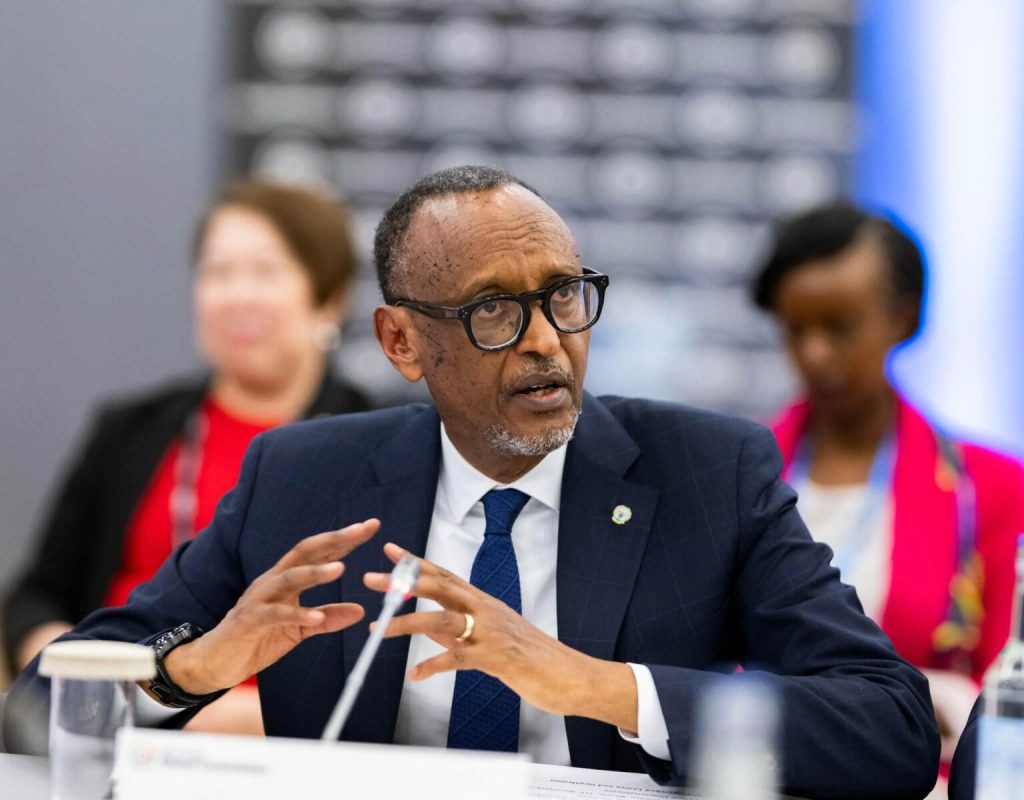
Benioff echoed that view, describing the commission as a platform for dialogue rather than regulation. “Technology is never good or bad,” he said. “It’s what we do with technology that matters.”
For Rwanda, participation in the commission also reflects a broader ambition to ensure Africa helps shape global AI standards instead of merely adapting to decisions made elsewhere.
Last year, the Smart Africa Alliance established the Africa AI Council to coordinate the continent’s approach to artificial intelligence, reinforcing a growing determination among African governments to play a greater role in the digital economy.
As AI continues to evolve at remarkable speed, Kagame believes the world’s biggest challenge is not simply developing smarter machines but ensuring the benefits reach everyone. For him, the success of artificial intelligence will depend less on algorithms than on collaboration.
If governments, businesses and researchers work together, he argues, AI can become a tool for shared prosperity rather than another force dividing the world between those who create technology and those who simply consume it.