KAYONZA – Rwanda’s progress in improving the lives of children is increasingly changing the national conversation from helping children survive to ensuring they grow up in supportive, caring and nurturing environments.
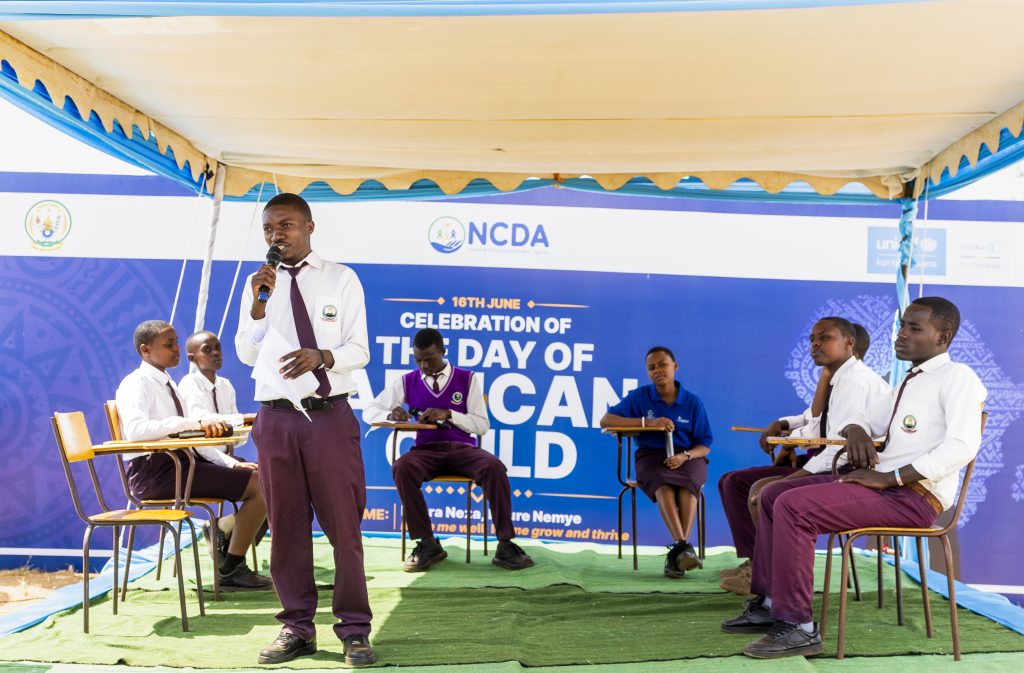
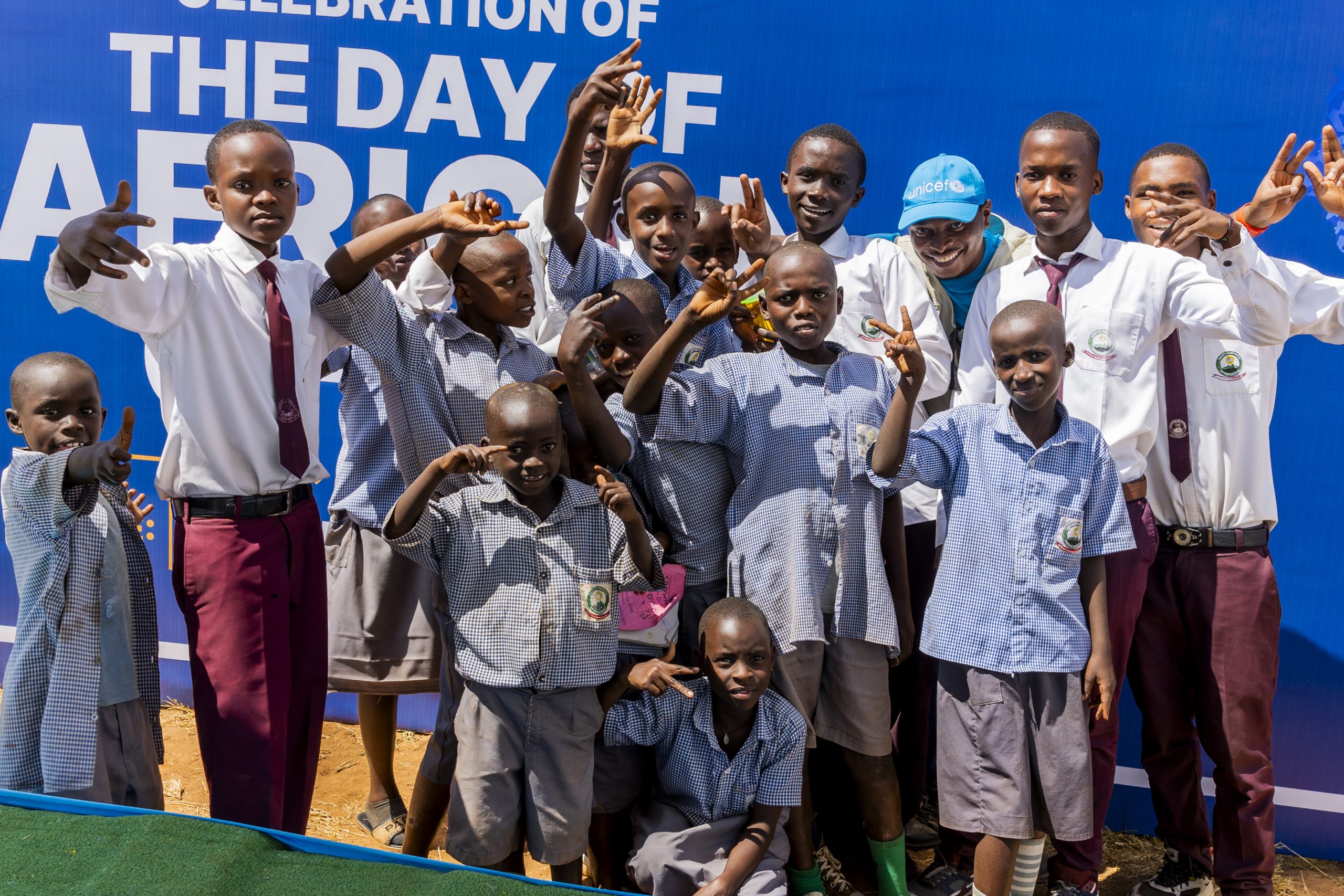
That message featured prominently during this year’s International Day of the African Child, commemorated in Kayonza district under the theme “Raise me well, let me grow and thrive.”
The national event was organized by the Ministry of Gender and Family Promotion (MIGEPROF), through the National Child Development Agency (NCDA), in partnership with UNICEF.
The discussions reflected how far Rwanda has come over the past three decades. Vaccination coverage has increased from 86 percent in 1992 to 94 percent in 2025.
Infant mortality has fallen from 85 deaths per 1,000 live births to 27, while under-five mortality has declined from 151 to 36. Stunting, which once affected more than half of children, has been reduced to 27 percent.
Those achievements have transformed the lives of millions of children while creating space for conversations about the emotional, social and developmental support every child needs to thrive.
Beyond survival
For many years, national efforts understandably centered on keeping children healthy, reducing preventable deaths and expanding access to education. As those indicators improved, attention has increasingly broadened to include children’s emotional wellbeing and the quality of family relationships.
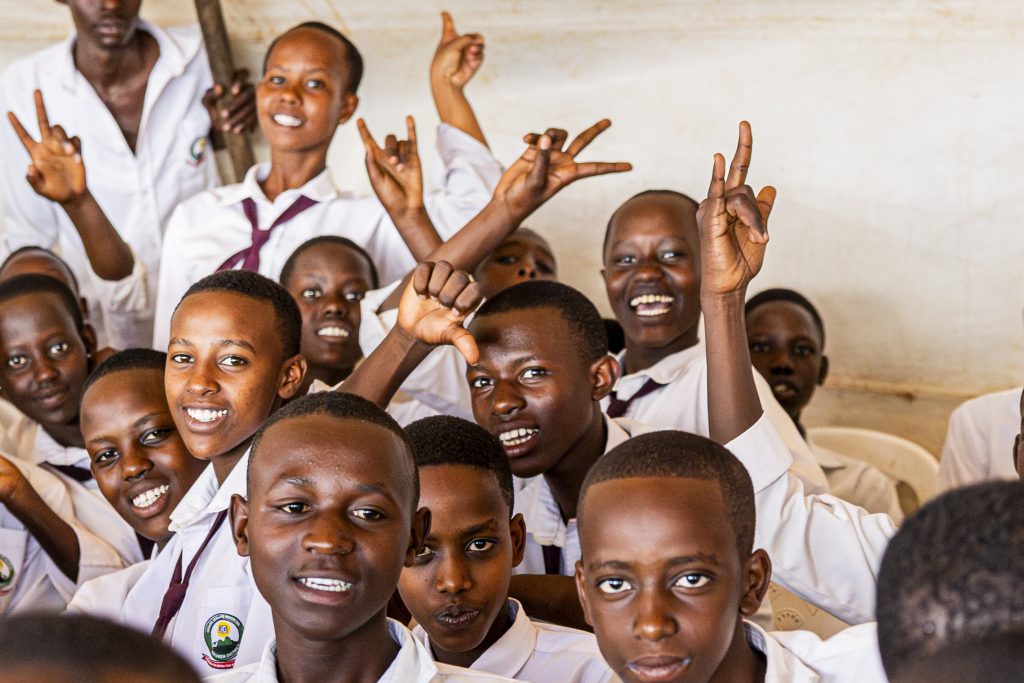
That shift was evident during discussions in Kageyo cell, Mwiri sector, where children repeatedly spoke about something simple but deeply important: being heard at home.
“There are many things I would like to share with my mother or father. Even when it is not something new, just talking to them makes me happy,” said Ange Murekatete.
“We want parents who listen to us, talk to us and guide us instead of beating us,” added Aline Uwase.
Another participant, 12-year-old Moise Manishimwe, explained why those conversations matter. “When we are afraid to speak at home, we keep our worries to ourselves,” he said.
Their comments reflected this year’s theme, showing that children value not only food, education and healthcare, but also trust, communication and guidance from those raising them.
Positive parenting as a foundation for development
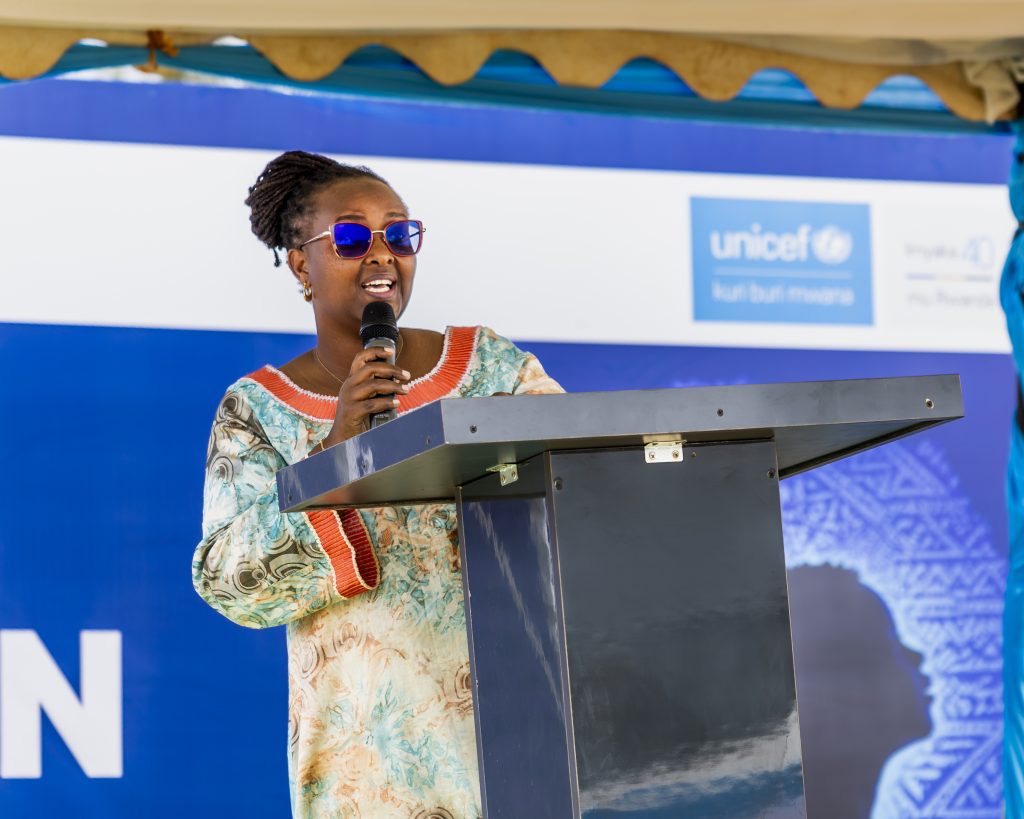
Speaking during the commemoration, Mireille Batamuriza, Permanent Secretary in the Ministry of Gender and Family Promotion (MIGEPROF), said parenting extends far beyond meeting children’s material needs.
“Parenting continues through communication. It is protective, guiding, and helps the child understand their responsibilities while instilling Rwandan values. A child is raised within a family,” she said.
She said positive parenting helps children build confidence, understand their responsibilities and develop values that prepare them to become responsible citizens.
Building on Progress
Acting Vice Mayor of Kayonza district Jules Higiro said Rwanda’s achievements in child development should encourage continued efforts to protect children from social challenges that still affect many communities.
“Although much has been achieved, we must continue fighting child abuse, child labour, teenage pregnancies, school dropout, drug abuse, and other challenges that hinder children’s development,” he said.
He stressed that parents, communities and institutions all have a role in ensuring children grow up in safe, supportive environments.
The International Day of the African Child is observed every year on June 16 to highlight the rights and wellbeing of children across the continent.
It was established in 1991 by the African Union in memory of the students who were killed during the 1976 Soweto uprising in South Africa, when young learners protested against the poor quality of education and injustice under apartheid.
The day serves as a reminder of the sacrifices made by those children and calls attention to the continued responsibility of governments, families, and societies to protect children’s rights and improve their living conditions.