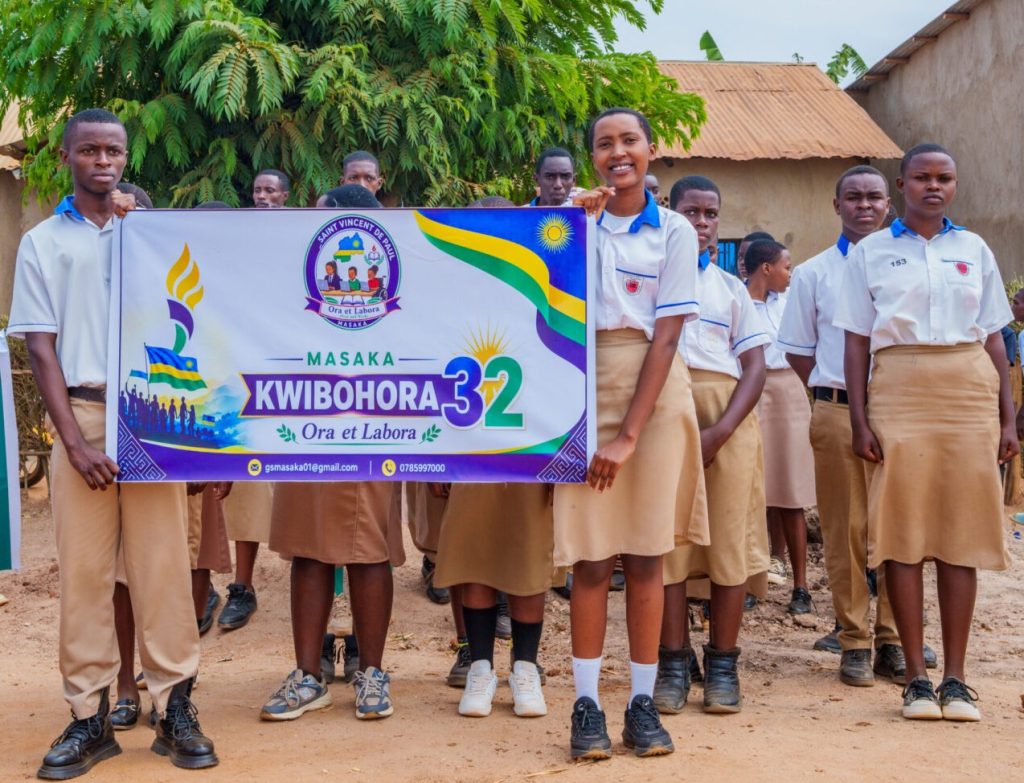
KIGALI – Thirty-two years after the Rwanda Patriotic Army (RPA) ended a regime built on division and exclusion, President Paul Kagame says Rwanda’s liberation did not end on the battlefield.
Instead, it remains an ongoing national mission that today is measured not only by security, but also by development, unity and the shared responsibility of every citizen.
In a televised 32nd anniversary of Liberation day (Kwibohora32) message, Kagame reflected on the struggle that restored dignity to Rwandans after decades of discrimination that culminated in the 1994 Genocide against the Tutsi.
He paid tribute to those who sacrificed their lives during the liberation struggle, noting that many never lived to witness the peaceful and steadily developing country they helped make possible.
“The purpose of the liberation struggle was to restore what had been taken away; the right of Rwandans to live in dignity,” Kagame said.
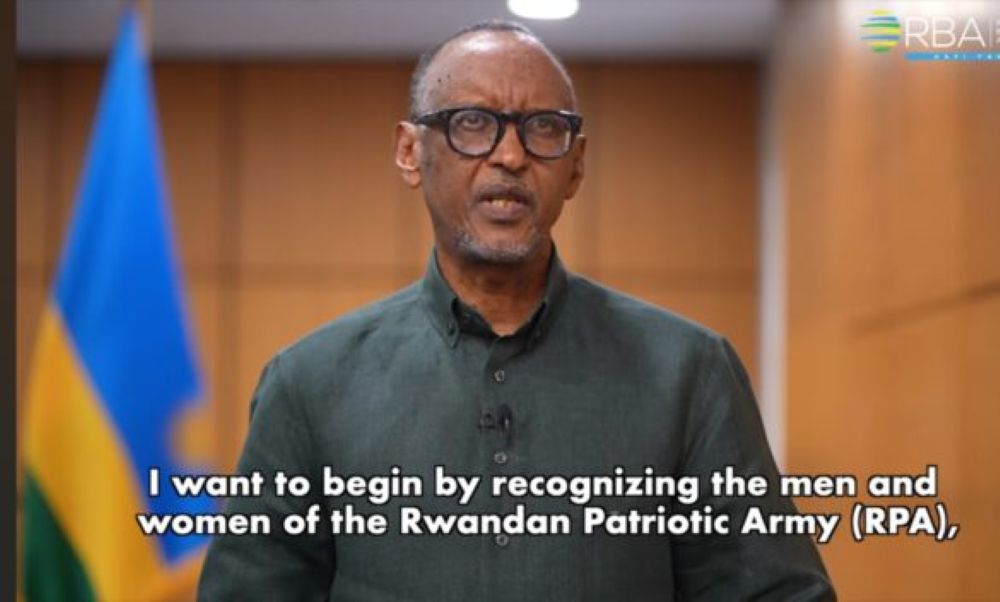
While Rwanda has transformed dramatically over the past three decades, the President warned that the ideas which fueled the country’s darkest chapter have not entirely disappeared, making vigilance a permanent national responsibility.
“We have seen and suffered too much to ever take this threat lightly,” he said.
Kagame stressed that Rwanda’s approach to security is rooted in its own history and cannot be separated from the country’s survival.
“Security is a matter of survival, not external approval. Without it, nothing else holds together,” he said, adding that Rwanda will never allow the tragedies of its past to happen again.
The President also challenged young Rwandans, who neither experienced the liberation struggle nor the genocide, to become custodians of the country’s future by protecting its unity and continuing its development.
Liberation through service
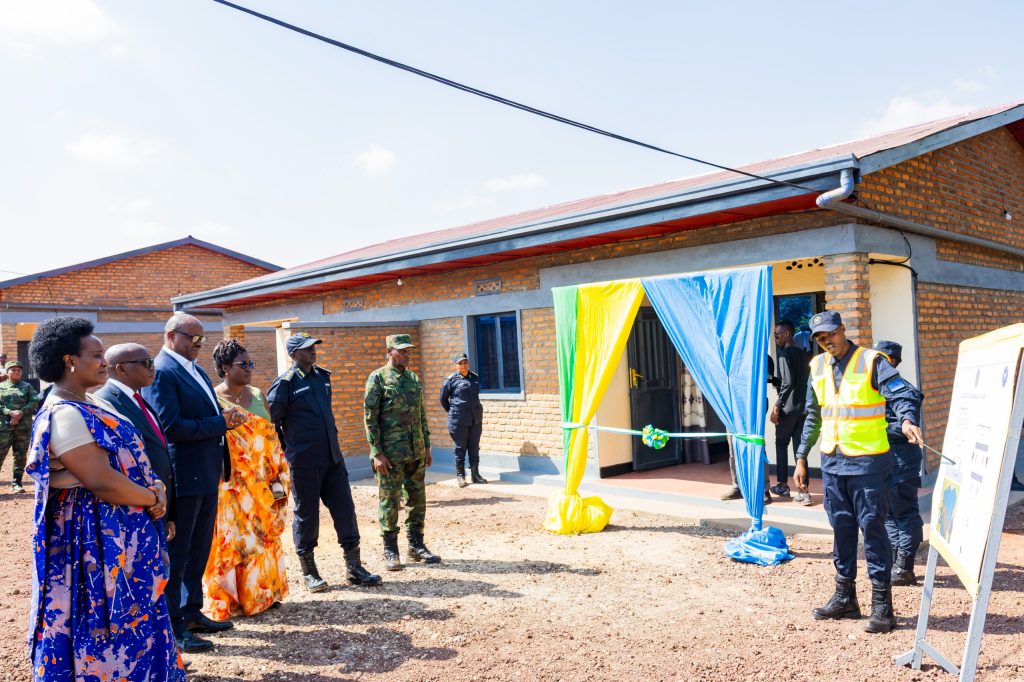
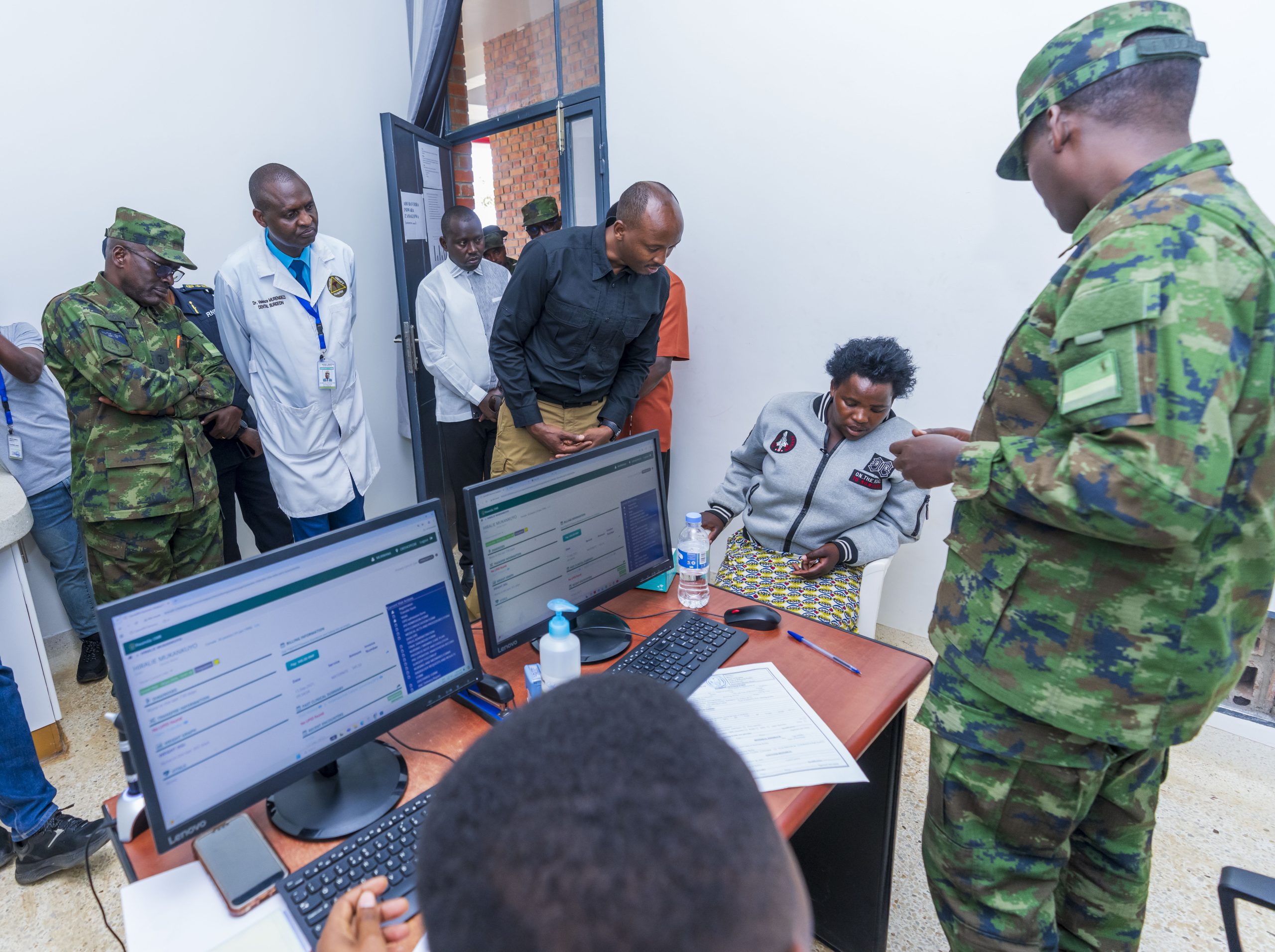
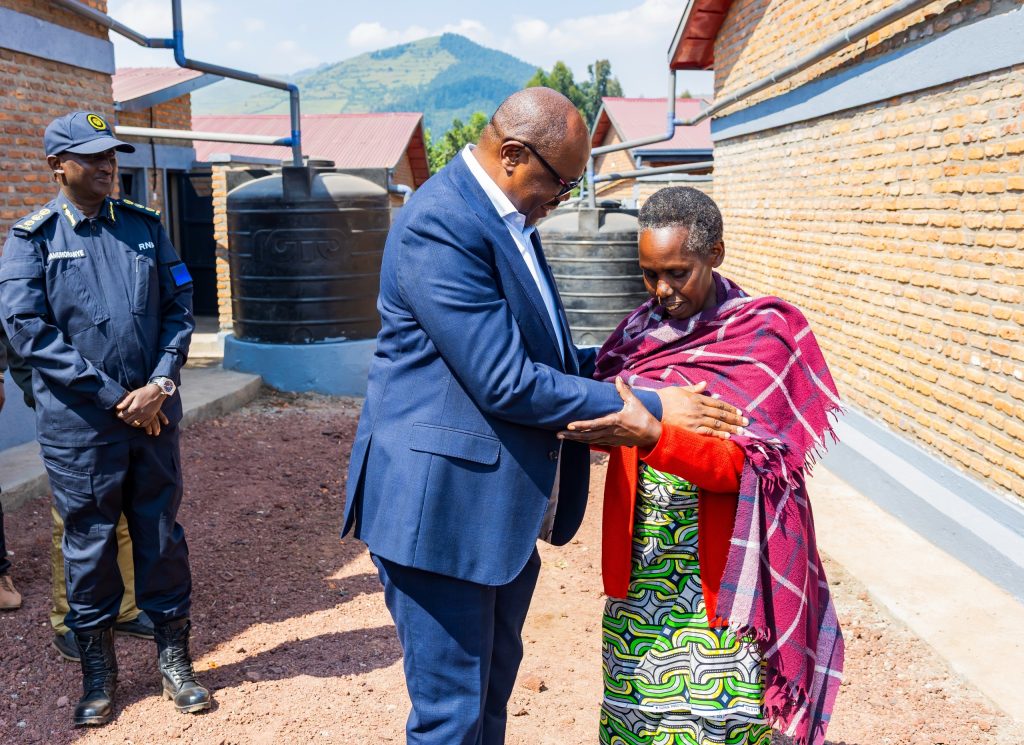
The President’s message found practical expression in the Defence and Security Citizen Outreach Program, which officially concluded on Liberation day after three months of community projects carried out by the Rwanda Defence Force (RDF) and the Rwanda National Police (RNP).
The nationwide initiative demonstrated how Rwanda increasingly views security not only as protecting borders, but also as improving the lives of citizens.
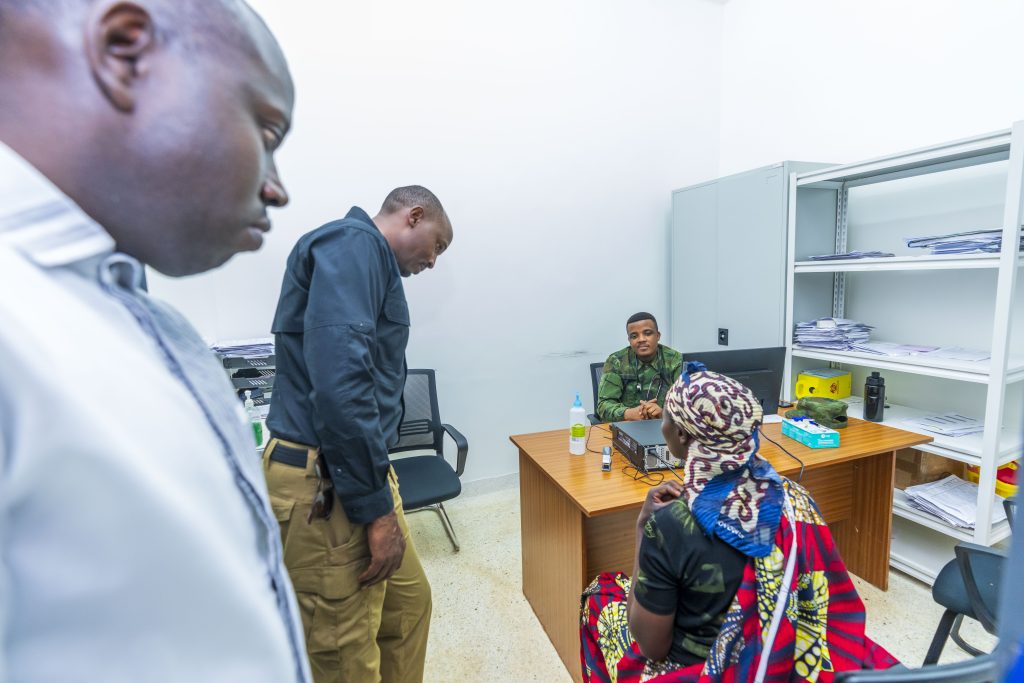
Across the country, RDF and RNP medical teams treated 33,142 patients, while 3,698 cataract surgeries restored sight to people who had long lived with preventable blindness.
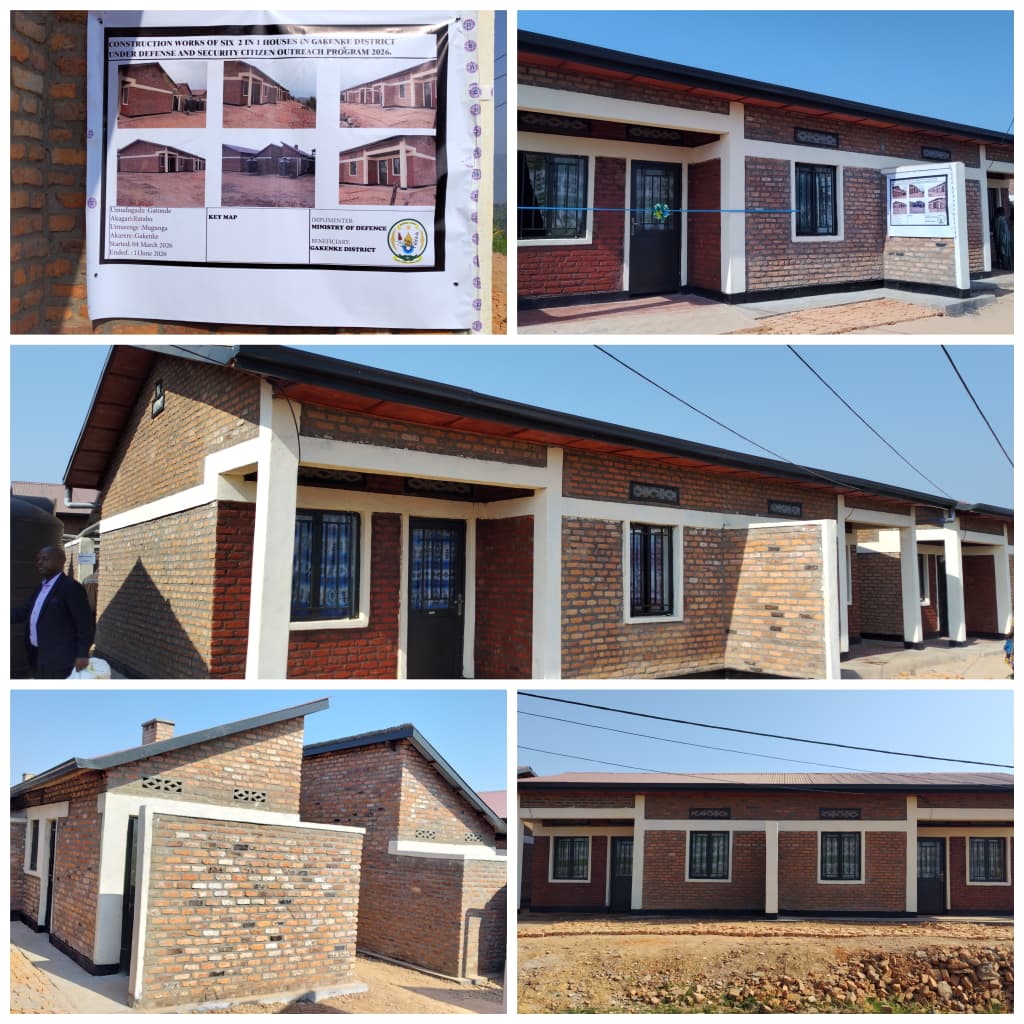
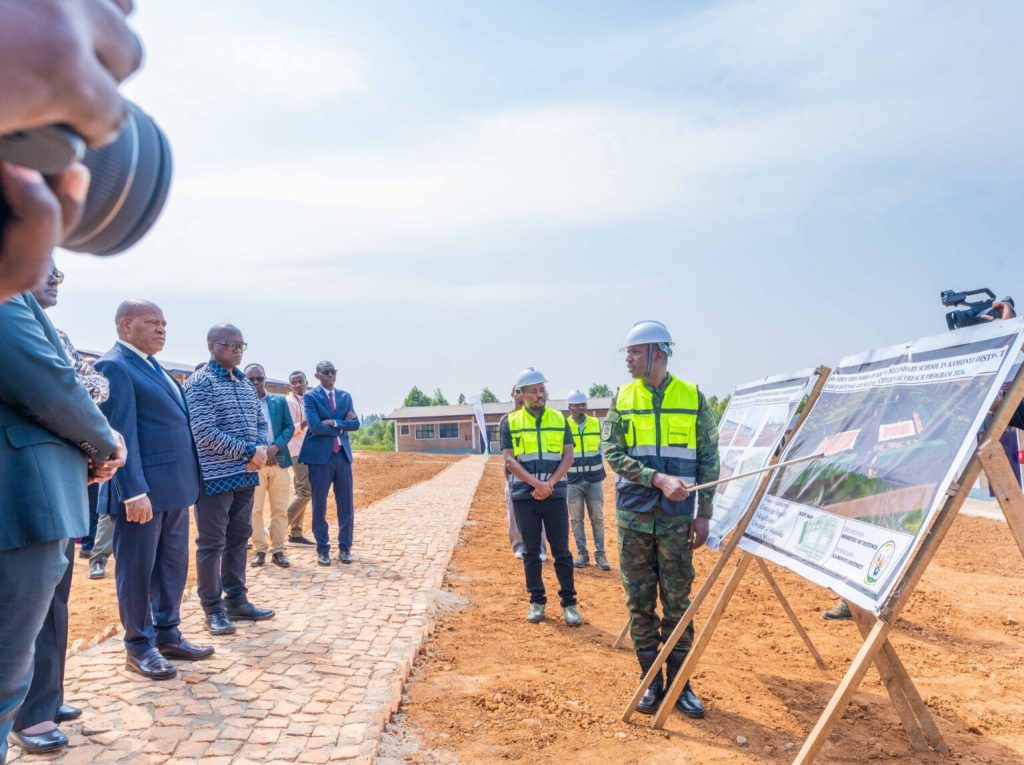
The program also built 80 houses for vulnerable families, inaugurated Kigese Technical Secondary School, added classrooms and sanitation facilities in other districts, and constructed bridges to improve transport and economic activity.
In Kirehe District, residents received a 4.2-kilometre clean water supply network and ten water pumps, expanding access to safe drinking water.
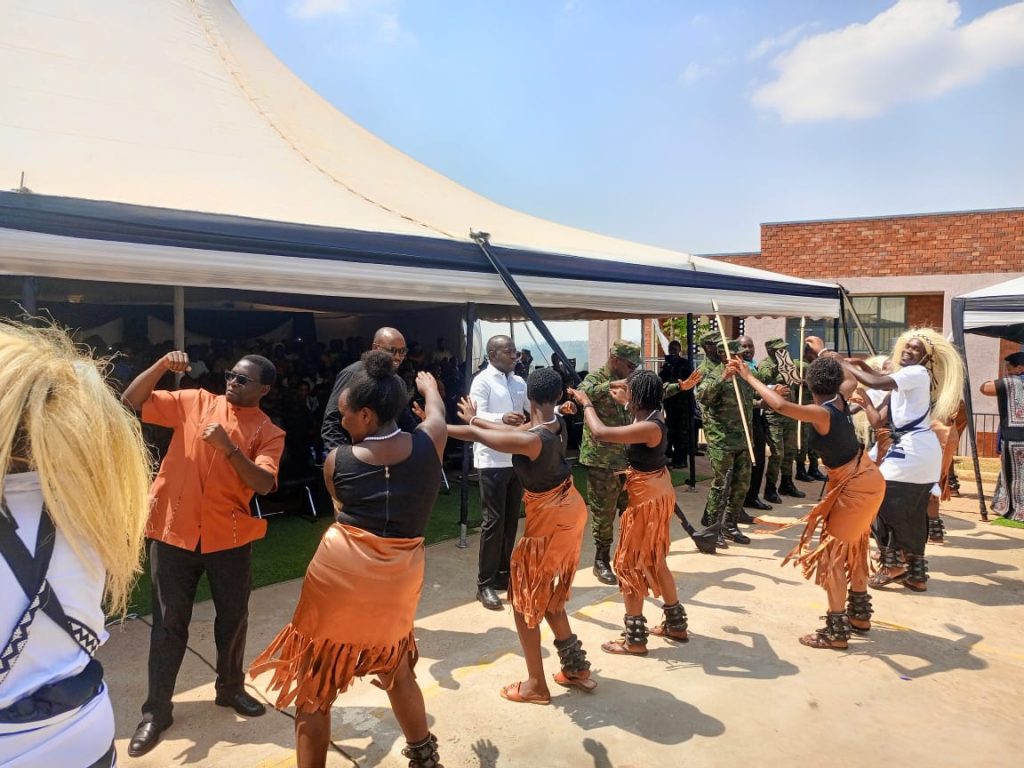
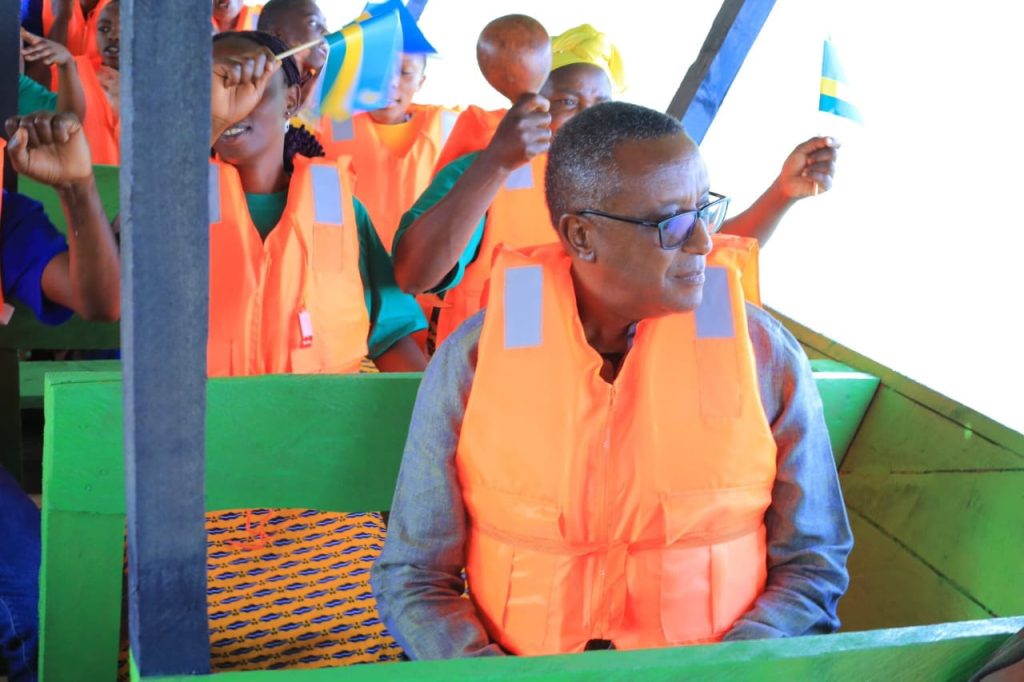
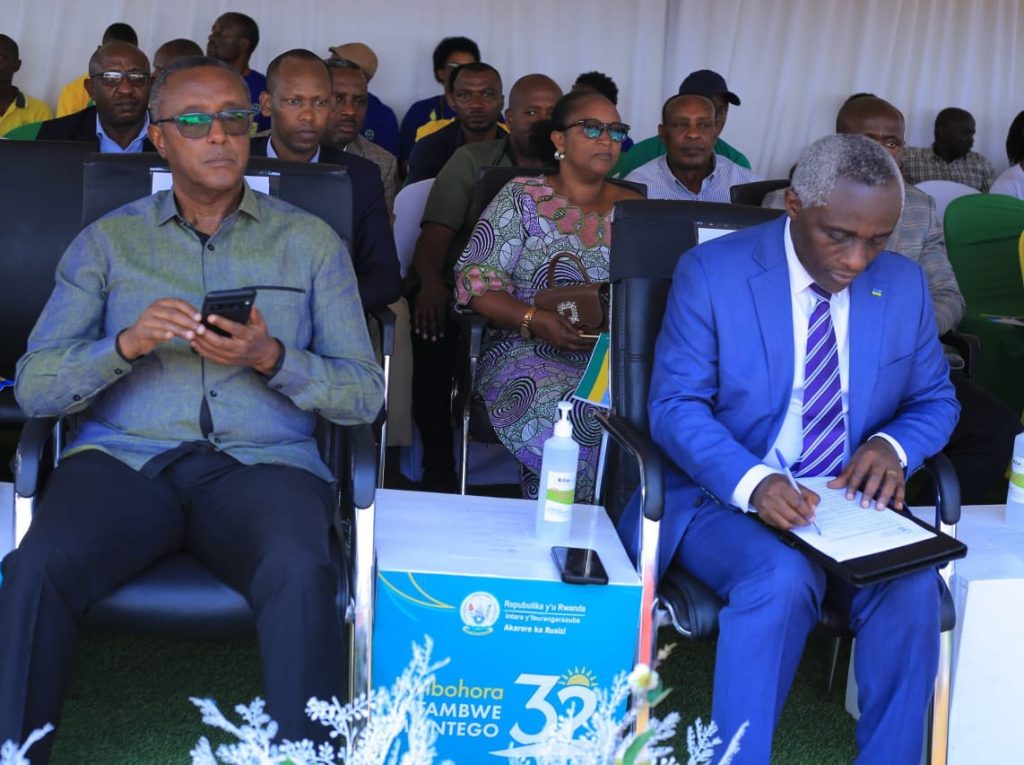
As part of the Liberation day celebrations, Minister of Interior Dr. Vincent Biruta handed over two passenger boats to residents of Gihaya Island in Rusizi District and Kirehe Island in Nyamasheke District.
Each boat can carry 60 passengers and 2.2 tonnes of cargo, significantly improving transport, trade and access to essential services for island communities.
The outreach also strengthened household livelihoods through the distribution of 910 goats and six cows, created employment for 1,725 citizens, and saw security personnel and communities plant more than 19.2 million trees, reinforcing Rwanda’s commitment to environmental protection.
A shared national responsibility
Beyond the projects themselves, the outreach reflected a defining feature of Rwanda’s development model where national progress is built through partnership between government institutions and citizens.
Throughout the three-month campaign, communities worked alongside soldiers, police officers and local authorities through umuganda and other forms of collective action, demonstrating that development is not simply delivered by the state but built together.
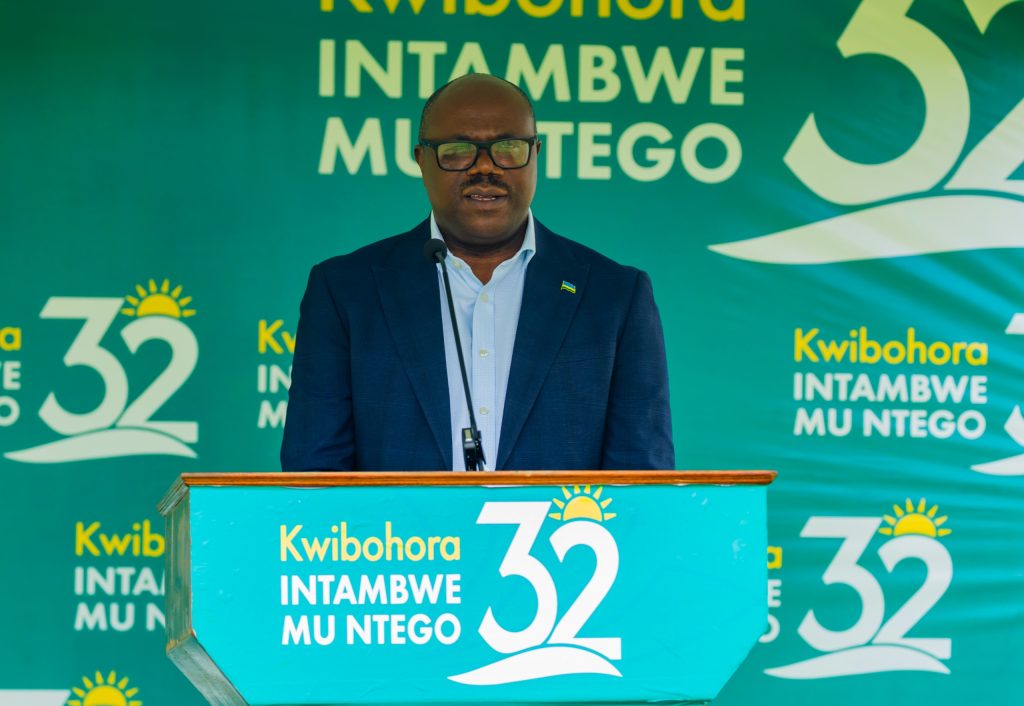
Speaking at the program’s conclusion, Prime Minister Dr. Justin Nsengiyumva praised the partnership that had improved the welfare of thousands of citizens across the country.
“Today is an occasion to celebrate the remarkable achievements realized over the past three months, during which the RDF, working in partnership with local authorities and communities, implemented various development projects across the country aimed at improving the welfare and livelihoods of citizens,” he said.
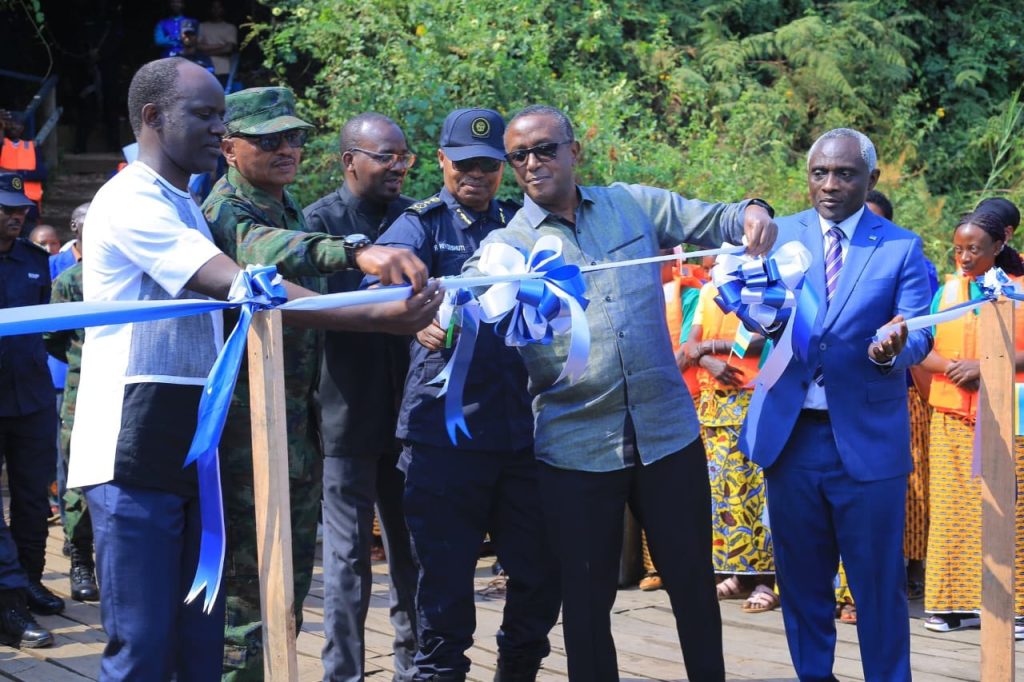
He encouraged beneficiaries to protect the newly completed infrastructure, emphasizing that its long-term value depends on community ownership and responsibility.
The same principle echoed throughout President Kagame’s Liberation day message. While Rwanda has made remarkable progress over the last 32 years, he argued that safeguarding those gains now rests with every generation.
In that sense, liberation is no longer defined by military victory alone. It lives on through secure communities, stronger institutions, improved livelihoods and a shared commitment to ensuring that Rwanda’s painful history is never repeated.
Over three decades after liberation, the country’s greatest task is not to celebrate what has been achieved, but to continue building on it.