KIGALI – Around the world, humanitarian agencies are grappling with continued conflicts displacing millions of people, yet the funding available to support them is steadily shrinking.
As that gap widens, Rwanda is advancing a different idea of protecting the future of refugees not through aid delivery, but by creating opportunities for refugees to build livelihoods of their own.
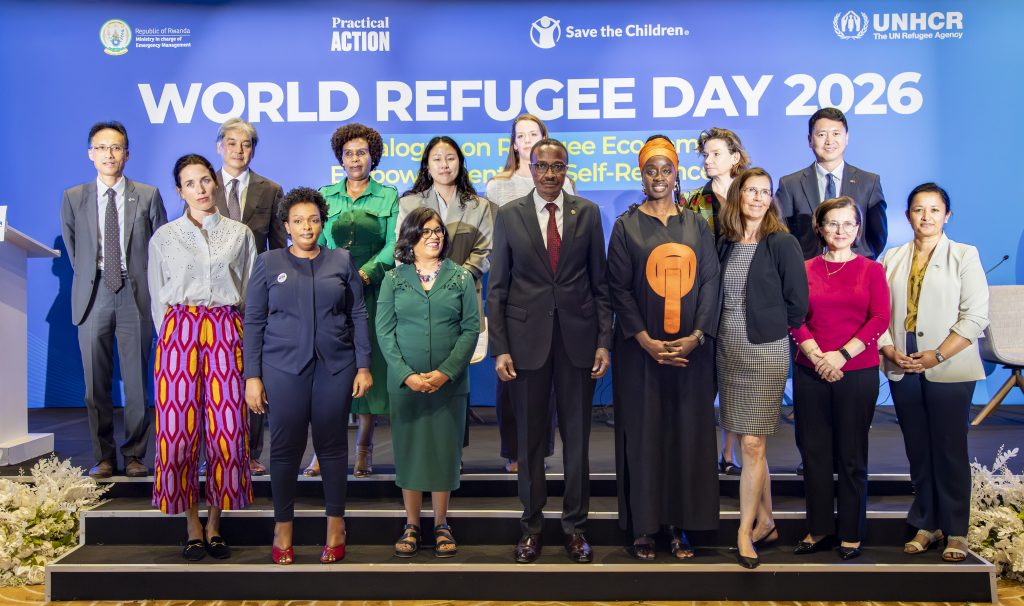
This was highlighted during the dialogue on refugee economic empowerment and self-reliance, convened by the Ministry in charge of Emergency Management (MINEMA) and UNHCR Rwanda to mark World Refugee Day 2026.
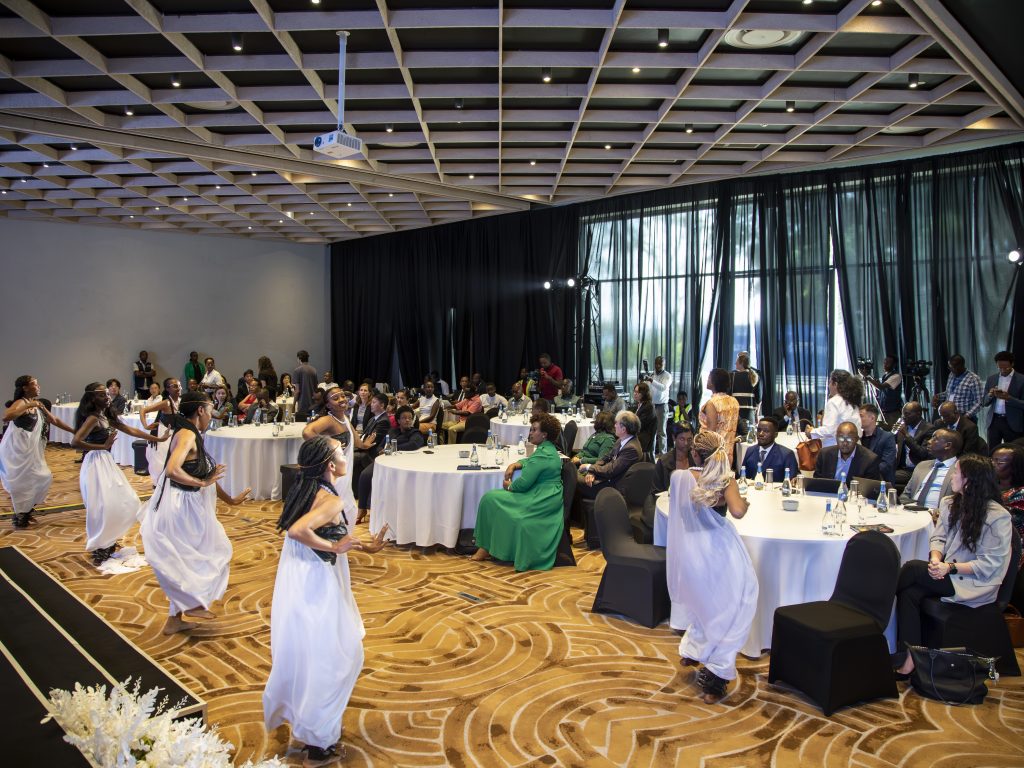
Bringing together government leaders, development partners, businesses, civil society and refugees themselves, the dialogue explored how stronger partnerships with the private sector can help refugees move from dependence to self-reliance.
From protection to opportunity
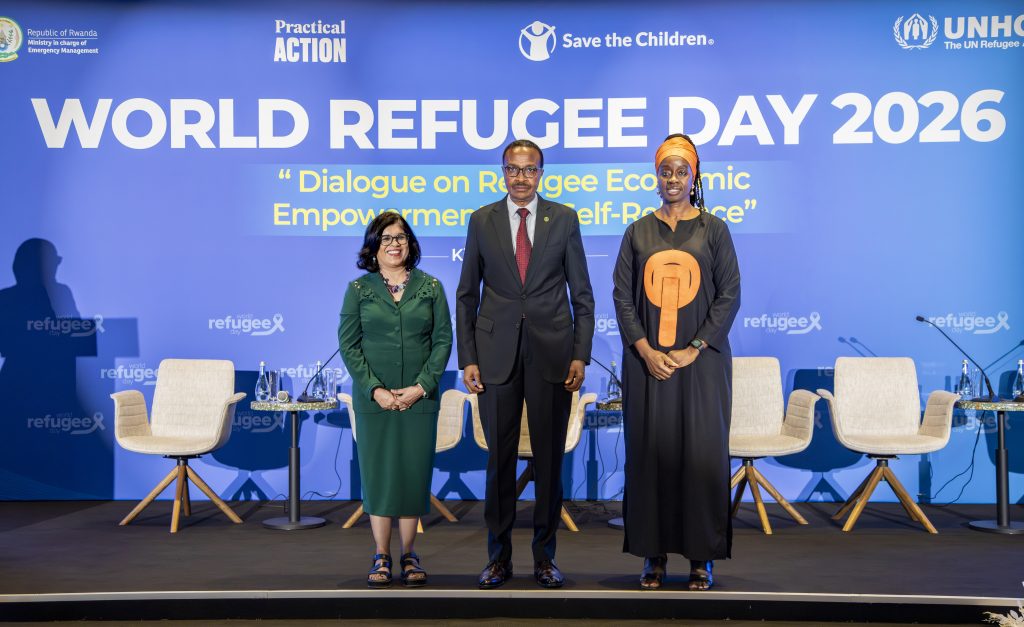
For the Minister in charge of Emergency Management, Maj. Gen. (Rtd) Albert Murasira, protecting refugees remains Rwanda’s first responsibility, but it cannot be the last.
“The global theme, “until everyone is safe”, reminds us that protection remains our first responsibility. Yet, once safety is secured, our collective responsibility does not end there. We must ensure that refugees have opportunities to rebuild their lives with dignity,” he said.
Murasira said recent reductions in humanitarian funding, including food assistance, have exposed the vulnerability of aid-dependent systems, reinforcing the need for more sustainable solutions and meaningful contributions to the societies that care for refugees.
Rwanda has adopted the Refugee Sustainable Graduation Strategy 2025–2030, an ambitious plan that seeks to help at least half of refugee households transition from humanitarian assistance to economic independence over the next five years.
This, officials say, will be achieved through entrepreneurship, financial inclusion, skills development and stronger links to local markets.
“Our ambition is clear. Government alone cannot accomplish this transformation. Humanitarian and development partners alone cannot accomplish it either. The private sector must become a central partner,” Murasira said.
Seeing refugees differently
Throughout the dialogue, speaker after speaker, everyone challenged one of the most persistent misconceptions about refugees as displaced people who are defined solely by their needs.
UNHCR Representative Ritu Shroff argued that refugees should instead be viewed as contributors capable of driving economic growth when given the opportunity.
“It has clearly been demonstrated that refugees are economic actors, they’re contributors, they’re innovators. They are a community that is integrating, thriving, doing business and growing the economy wherever they live,” she said.
Shroff described Rwanda as exceptional for allowing refugees access to education, employment, financial services and freedom of movement, creating an environment where businesses, banks and development partners can invest in their potential.
Building businesses, not dependency
For organizations working with refugees, that philosophy is already being translated into visible action.
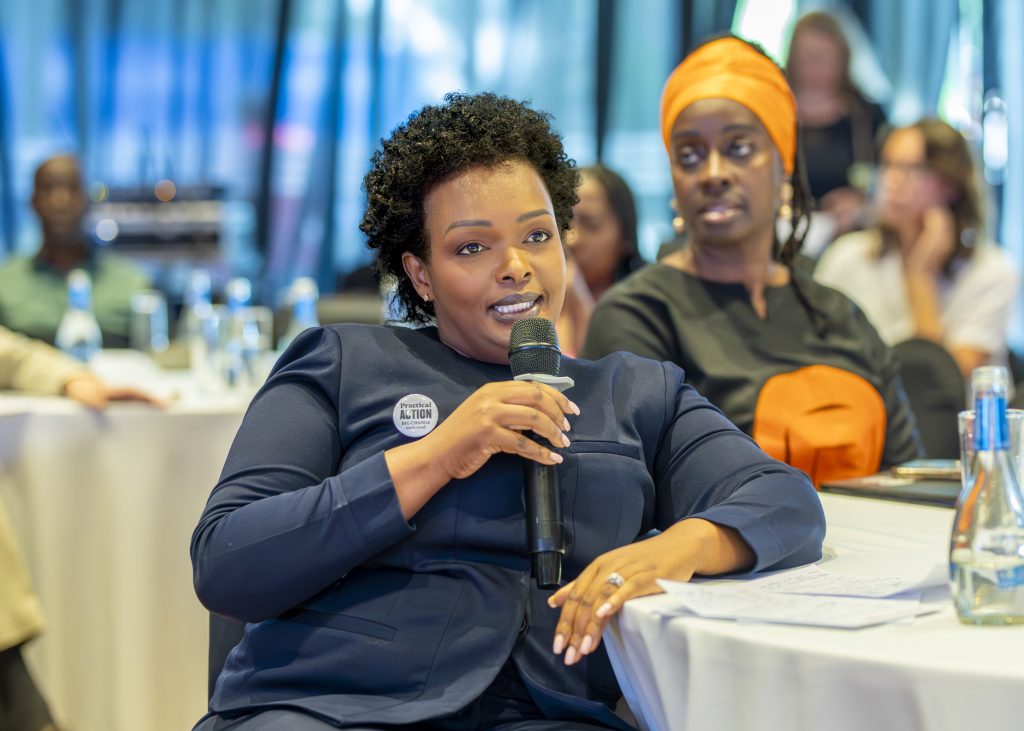
Denyse Umubyeyi, the Country Director of Practical Action Rwanda, an implementing partner, said lasting change comes from helping refugees participate in existing markets rather than creating temporary aid programs.
“We don’t create a new market. We support the market that already exists,” she said.
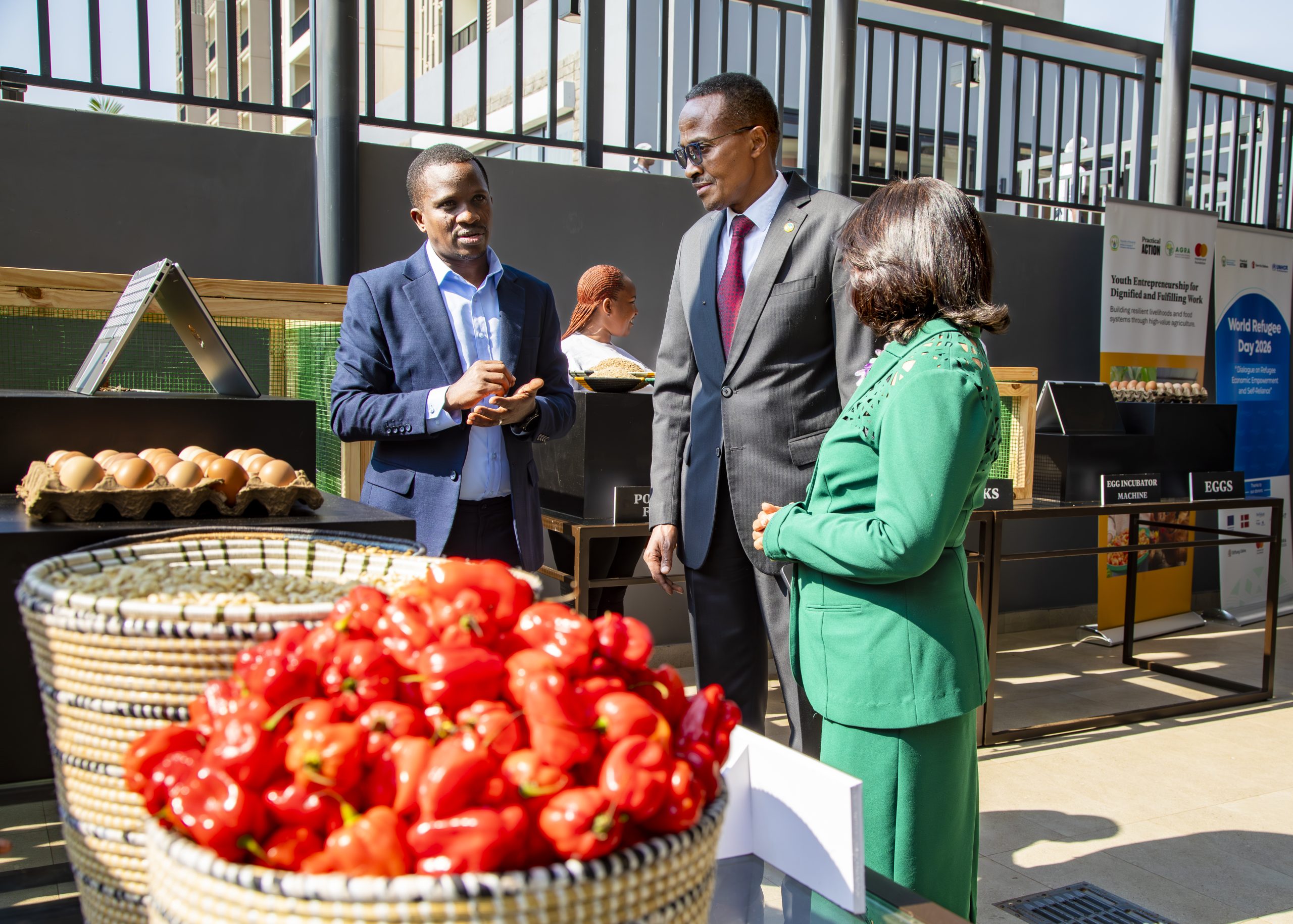
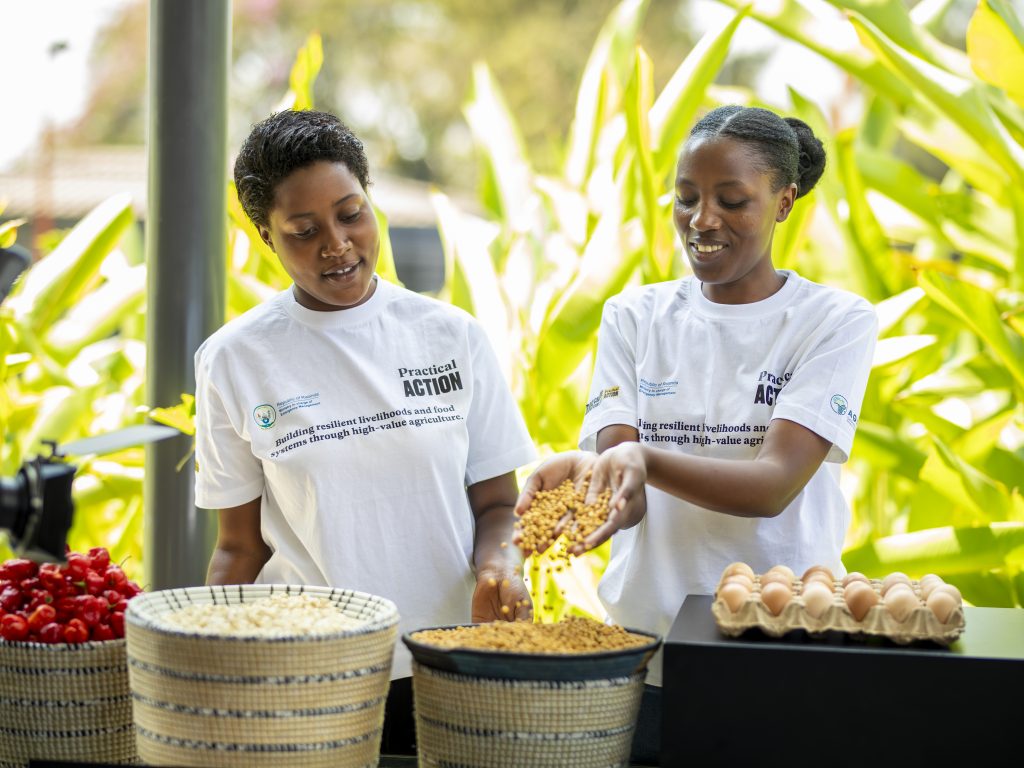
Through projects implemented with support from AGRA and the Mastercard Foundation, Practical Action helps refugee cooperatives formalize their businesses, identify high-value crops suited to local conditions, access affordable farm inputs and secure buyers before production begins.
“One of the biggest challenges is having a good harvest but not a good market. We identified the company right from the beginning. We were sure of the market before they started farming,” Umubyeyi said.
The approach enables refugee farmers to focus not simply on production, but on building enterprises capable of generating sustainable incomes.
Investing in human potential
UNDP Resident Representative Fatmata Livetta Sesay believes that shift requires governments, businesses and development partners to rethink where the true value lies. “The greatest untapped asset in many refugee settings is not land, it is not infrastructure. It is human potential,” she said.
Reflecting on a recent visit to Mahama refugee camp, Sesay described refugee-led businesses working alongside host communities to strengthen local value chains and expand economic opportunities for everyone involved.
“The question before us is no longer whether refugees should be included. It is how quickly and at what scale we can unlock their full economic potential,” she said.
As Rwanda commemorated the 75th anniversary of the 1951 Refugee Convention, it emerged that refugees are not just recipients of humanitarian assistance, but partners in development whose talents and aspirations can drive economic growth and strengthen communities.
When given the right policies, access to markets and opportunities to earn a living, they become entrepreneurs, employees, innovators and taxpayers whose success strengthens not only their own communities but the country’s economy as well.
Personal experience and growth
When Prince Ndungutse fled conflict in Masisi, the eastern Democratic Republic of Congo (DRC) and arrived in Rwanda in 2014, like thousands of other refugees, he depended almost entirely on humanitarian assistance.
Today, the 24-year-old is helping manage an agricultural cooperative in Mugombwa Refugee Camp in Gisagara District that grows chilli, maize and soybeans, raises poultry and supplies produce to local markets.
What began as a modest farming initiative has evolved into a business that is generating income for refugee families and demonstrating what is possible when humanitarian support is matched with economic opportunity.
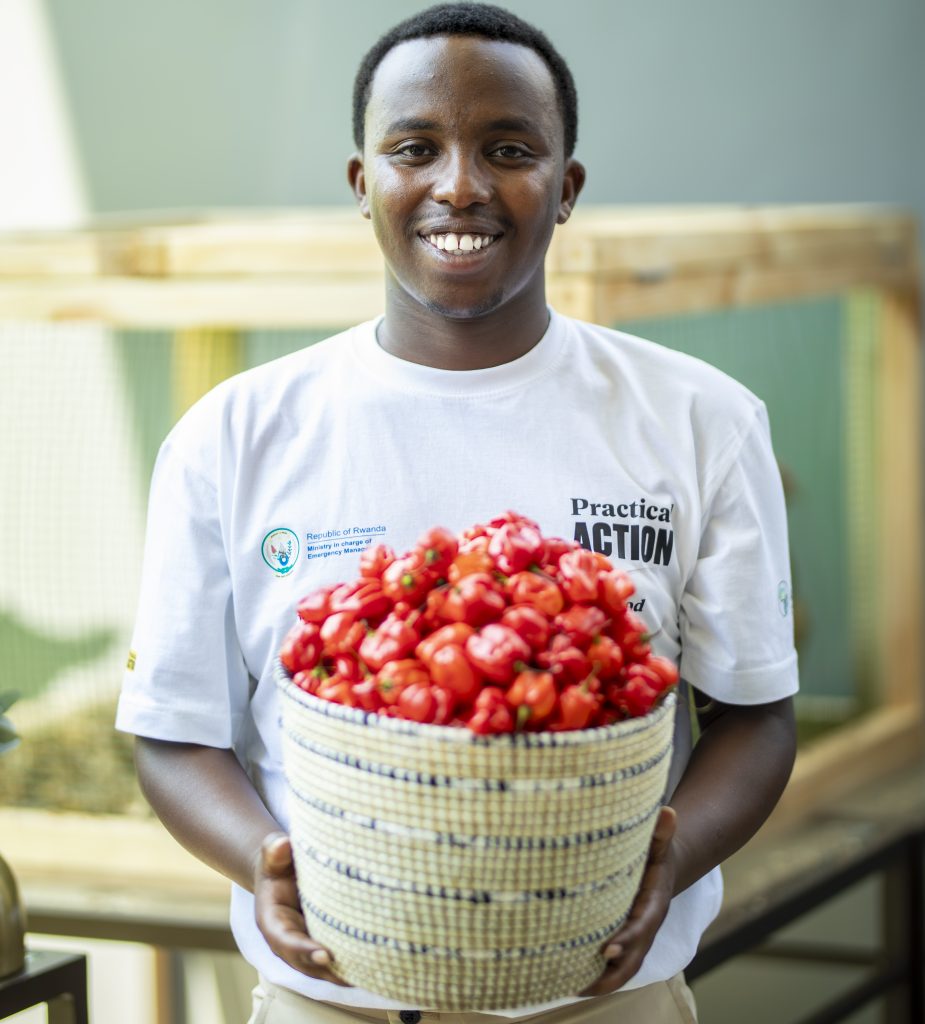
“I came to Rwanda as a child and started life in the refugee camp. Today, we grow crops, raise chickens, produce our own feed and sell our products. It has helped us earn an income and improve our lives,” Ndungutse says.
As a member of the Icyerekezo Misizi Cooperative, Ndungutse has seen the group’s activities expand into an integrated farming enterprise.
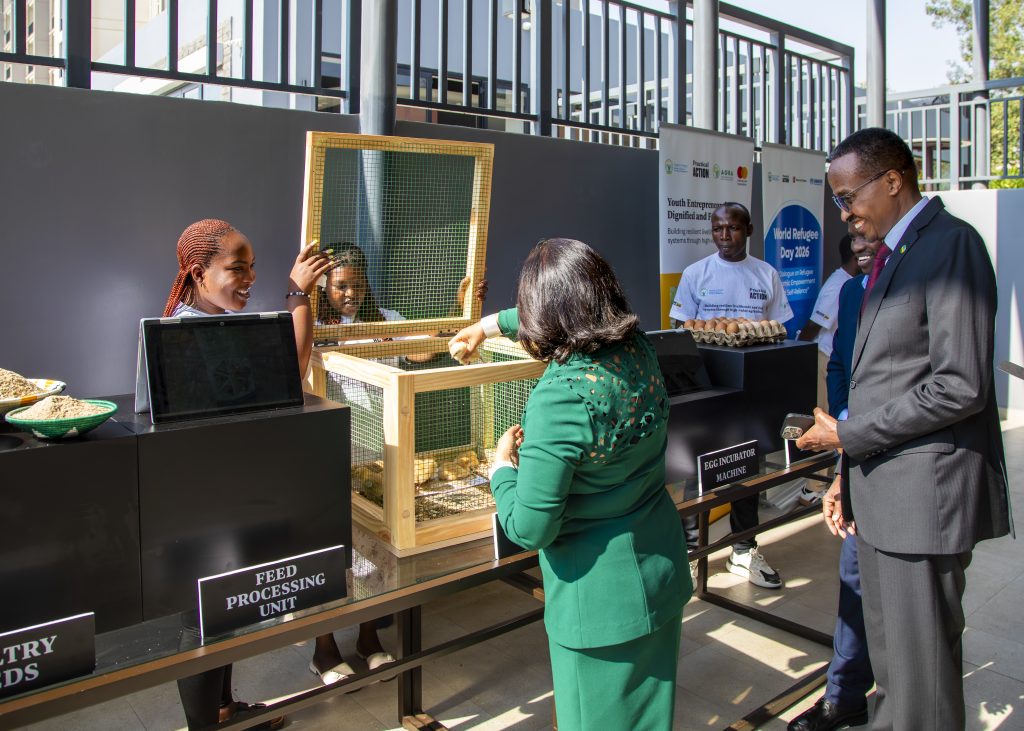
By-products of Maize and soybeans are processed into poultry feed, chicken manure is used to improve crop production, and an incubator capable of hatching about 4,000 eggs at a time enables members to rear and sell chicks, eggs and mature chickens.
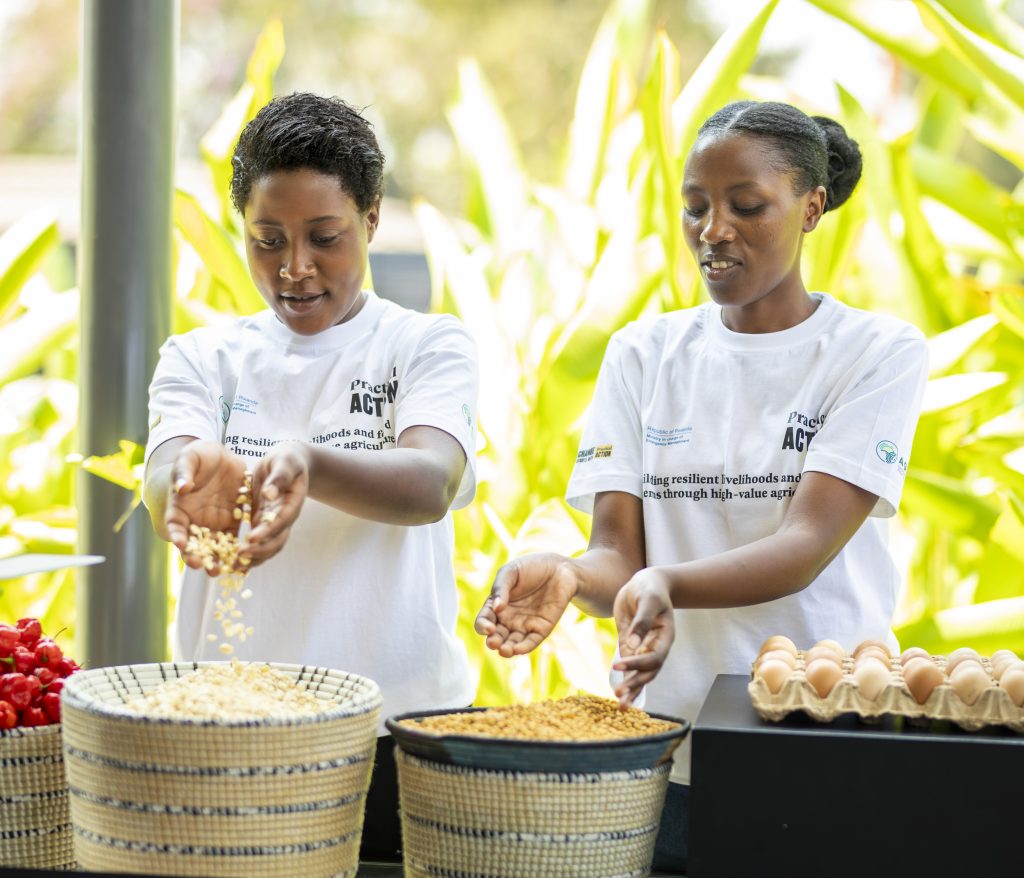
For Ndungutse and his fellow refugees, every harvest represents another step away from dependence on aid and towards building a livelihood through his own work.
His experience reflects a broader transformation taking place across Rwanda as the country shifts its refugee response from providing relief to creating opportunities for displaced people to become economically self-reliant.
For Rwanda, it may be the most durable solution to recognize that the greatest asset in its refugee camps has never been the aid delivered, but the people determined to rebuild their lives.
